Why Is Titanium So Strong? Atomic Structure, Alloys & Processing Explained
You see titanium on a pricey watch, in a lightweight backpacking pot, and on a high-end bike frame. The common reaction is the same. How can something that looks so delicate be described as incredibly strong? That contrast between slim, lightweight parts and real-world toughness is exactly why people search for “why is titanium so strong.”
For backpacking pots, comparisons like Stainless Steel Cookware explain trade-offs between weight, durability, and heat performance.
Quick answer
Titanium is strong because of its atomic structure, the way its crystal lattice resists deformation, and the common alloying and processing methods that increase strength without adding much weight. Put simply, titanium offers a high strength-to-weight ratio, good fatigue resistance, and corrosion resistance. Those properties come from a mix of chemistry, microstructure, and manufacturing that work together to make titanium parts both light and robust.
What “strong” actually means for metals
“Strong” is a shorthand people use, but engineers break it into several different properties. Understanding these helps explain where titanium shines and where it does not.
- Tensile strength: How much pull the material can withstand before breaking. High tensile strength helps with ropes, bolts, and structural parts.
- Yield strength: The stress level where permanent deformation begins. A higher yield means parts keep their shape under load.
- Stiffness or Young’s modulus: How much a material bends under load. Steel is stiffer than titanium, so titanium parts will flex more unless designed thicker.
- Toughness: Ability to absorb energy before fracturing. Tough materials resist cracking and sudden failure.
- Fatigue resistance: How well the material survives repeated loading cycles. This matters for bike frames, fasteners, and aircraft components.
- Hardness and wear resistance: Resistance to scratching and surface wear. Titanium is not as hard as some tool steels.
When people say “titanium is strong,” they usually mean it has a high tensile strength relative to its weight, and good fatigue and corrosion resistance. But it is less stiff than steel and not always the best choice if surface wear or cost are the deciding factors.
Why titanium is strong: the science explained in plain language
There are three main things that make titanium strong in practical use: the metal’s atomic bonding and crystal structure, alloying and impurities, and the way it is processed. Each plays a role.
1. Atomic bonding and crystal structure
Titanium atoms form metallic bonds, which means atoms share electrons and can slide past each other under stress. The key is how those atoms are arranged. At room temperature the common form of titanium has a hexagonal close-packed crystal structure. That arrangement resists deformation differently than the cubic structures found in many steels.
Because of titanium’s bonding and crystal geometry, it has a favorable balance of strength and ductility. It resists breaking while still allowing some plastic deformation. That balance is useful for parts that must take repeated loads without cracking.
2. Alloying and phase control
Pure titanium is decent, but commercial titanium is often alloyed with elements like aluminum and vanadium. The most common aerospace alloy, Ti-6Al-4V, mixes aluminum and vanadium with titanium to create a material that is stronger and lighter than many steels on a strength-per-weight basis.
Alloying changes how different crystal phases appear and how they interact. Engineers can control heat treatment to produce microstructures that resist deformation or improve fatigue life. That makes alloyed titanium flexible in the way it balances strength, toughness, and ability to handle high temperatures.
3. Grain structure and processing
Metals are made up of microscopic grains. Smaller, well-controlled grains make metals harder to deform because the boundaries block the movement of dislocations, which are the primary carriers of plastic deformation. Manufacturers use forging, rolling, and heat treatments to refine grain size in titanium parts.
Cold work, like bending or rolling, increases strength by creating dislocations that make further deformation harder. Proper heat treatment can then restore toughness or refine strength depending on the intended use.
4. Surface chemistry and corrosion resistance
Titanium forms a very thin, stable oxide layer on its surface that protects it from corrosion. While that layer does not directly increase strength, it helps parts keep their cross-section and surface integrity over time, which indirectly preserves mechanical performance and fatigue life.
Titanium grades and what they mean for strength and use
Not all titanium is the same. Grades matter because they determine mechanical properties and real-world behavior. Below is a simplified comparison of common grades and where you typically see them.
| Grade | Typical composition | How strong | Common uses |
|---|---|---|---|
| Commercially pure (Grade 1–4) | Mostly titanium, small oxygen/iron differences by grade | Lower tensile strength than alloys, but very corrosion resistant and ductile | Medical implants, chemical equipment, jewelry, some cookware |
| Ti-6Al-4V (Grade 5) | Titanium with about 6% aluminum and 4% vanadium | Much higher strength than CP titanium. Common for structural uses | Aerospace parts, bike frames, high-end watches, fasteners |
| Other alloys | Various mixes with elements like molybdenum, tin, zirconium | Tailored for specific strength, heat, or corrosion needs | Specialty engineering applications |
How titanium compares to common alternatives
People often compare titanium to stainless steel and aluminum because those materials appear in the same product categories. Here is how titanium stacks up in consumer-relevant terms.
| Property | Titanium (general) | Stainless steel | Aluminum |
|---|---|---|---|
| Density | About 4.5 grams per cubic centimeter, roughly 40 percent lighter than steel | About 7.8 g/cc | About 2.7 g/cc, lighter than titanium |
| Strength-to-weight | High. Titanium offers excellent strength for its weight | Moderate to high, but heavier | Lower than titanium on strength-per-weight unless specially treated |
| Stiffness | Lower than steel, so parts flex more | Higher stiffness, less deflection under load | Lower stiffness, prone to bending unless thickened |
| Corrosion resistance | Excellent in many environments thanks to oxide layer | Good for many grades but can corrode in specific conditions | Good in many environments, but susceptible to galvanic issues |
| Wear resistance | Lower than hardened steels, can gall against harder metals | Can be made very hard and wear resistant | Generally softer, wears faster |
| Cost | Typically more expensive, especially alloys and complex parts | Usually more affordable | Often less expensive for many consumer uses |
Why this matters: if you want the lightest possible structural part with high strength, titanium is a top choice. If you need stiffness or low cost, stainless steel or aluminum may be better.
How manufacturing and processing affect titanium strength
The way titanium is made into a part changes its properties dramatically. Two identical alloys can behave differently depending on forging, heat treatment, and finishing.
Forging and rolling
Hot forging and rolling refine grain structure and align grains to better resist loads in desired directions. That is why aerospace parts often start as forged blanks rather than cast items.
Heat treatment and aging
Heat treatments can transform the microstructure to improve yield strength or fatigue life. For Ti-6Al-4V, specific heat treatments are used to balance strength and ductility for bolts, frames, and engine components.
Cold working and machining
Cold work increases strength but can reduce ductility. Machining titanium is more challenging than machining steel because it tends to stick to cutting tools and generates heat. Machined surfaces and finishes matter for fatigue life, especially in cyclic applications like bicycle components.
Additive manufacturing
3D printing of titanium powders is increasingly common, especially for complex aerospace and medical parts. Printing can produce intricate shapes and tailored microstructures, but the printed material often needs post-processing to reach expected fatigue and tensile properties.
Trade-offs and limitations
Titanium is impressive, but it is not the ideal material for every job. Understanding trade-offs helps pick the right metal for a product or repair.
- Cost: Titanium and its alloys are more expensive than steel or aluminum. That affects product price and repair choices.
- Stiffness: Titanium flexes more than steel. Designers often need to add material or change geometry to meet stiffness requirements, which affects weight.
- Wear resistance: Titanium can gall and wear when rubbing against harder metals. For knives or cutting edges, titanium is not always the best choice unless treated or used where corrosion resistance outweighs wear.
- Joining and welding: Welding titanium requires controlled environments to avoid contamination. Not every shop can weld titanium parts safely.
- Machining and fabrication: Cutting titanium needs specific tooling and feeds to manage heat and prevent tool wear.
Durability, maintenance, and real-world care
Titanium products often last a long time if maintained properly, but they are not maintenance-free. How you care for titanium depends on the product.
General care
Washing titanium cookware or dishes with normal soaps and avoiding harsh chlorides is usually enough. For jewelry, gentle cleaning prevents dirt buildup and helps keep anodized finishes bright.
Dealing with scratches and surface wear
Titanium scratches. On cookware and mugs small scratches are cosmetic and do not affect performance. On polished jewelry, scratches are more noticeable, but titanium can be re-polished or anodized to restore color.
Corrosion and longevity
The oxide layer makes titanium very corrosion resistant in most water and atmospheric environments. That is why it is used in marine and medical applications. However, titanium can corrode in some very strong oxidizing acids and in certain hot halide environments. For ordinary consumer use, corrosion is rarely a problem.
Safety considerations
Titanium is generally safe for consumers, but there are a few manufacturing and specialized concerns to be aware of.
- Biocompatibility. Titanium and common titanium alloys are biocompatible, which is why the metal is widely used for implants like hip stems and dental implants. For people with metal sensitivities, titanium is often tolerated better than some other metals.
- Powders and shavings. Finely divided titanium can be combustible under the right conditions. That is why machining shops handle powder and swarf carefully and why printing or powder-handling facilities follow strict safety rules.
- Galvanic corrosion. When titanium is in contact with dissimilar metals in a conductive environment, galvanic corrosion can occur. Proper design and isolation reduce risk.
- Welding fumes and contamination. Welding titanium requires shielding gas to prevent contamination. Contaminated welds lose strength and toughness.
Where titanium’s strength matters in everyday products
Seeing titanium in real products helps translate abstract properties into purchase decisions. Here are common uses where titanium’s strength-to-weight ratio and corrosion resistance matter most.
Watches and jewelry
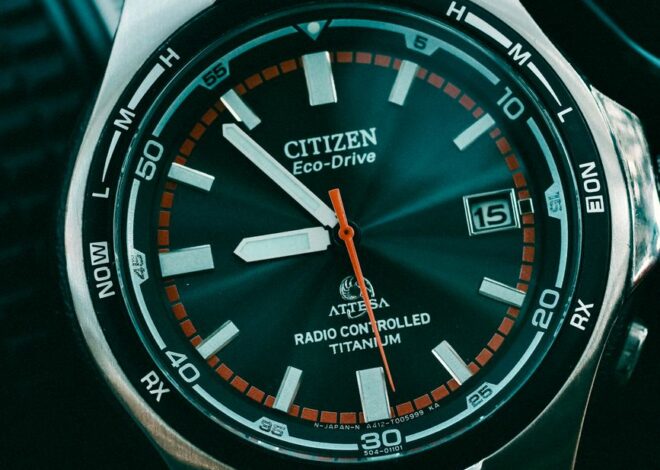
Titanium provides a lightweight, comfortable alternative to steel watch cases and bands. It resists corrosion from sweat and generally keeps its finish. High-end designers use titanium alloys to combine durability with a premium feel.
Camping cookware and utensils
Backpackers use titanium pots and sporks because the metal keeps weight down while being strong enough for daily use. The trade-off is higher price compared to aluminum and that titanium does not distribute heat as evenly when cooking without a base.
Bicycle and sporting goods
Titanium frames can be lighter and more fatigue-resistant than steel frames while providing a comfortable ride thanks to the material’s natural flex. That makes it a popular choice for premium road and mountain bikes.
Tools and EDC gear
Titanium is used for carabiners, pocket clips, and multi-tools because it stays light and resists corrosion. For cutting edges, titanium is less common than steel due to wear concerns.
Aerospace and medical
Where weight matters and failure is not an option, titanium alloys play a critical role. The metal is used for airframe components, fasteners, and medical implants because of its balance of strength, weight, and biocompatibility.
Common misconceptions about titanium
Misunderstandings about titanium are widespread. Clearing them up helps you make better choices.
Myth: Titanium is indestructible
Fact: Titanium is highly durable and corrosion resistant, but it can be damaged, worn, or fractured if misused. It is strong for its weight, but not immune to impact, fatigue failure, or wear from harder materials.
Myth: Titanium is always lighter than aluminum
Fact: Aluminum is lighter by density. What people mean is that titanium offers a better strength-to-weight ratio. For the same strength, a titanium part can often be made thinner and lighter than a steel part, but it may still weigh more than a comparable aluminum component unless the titanium design fully leverages its strength advantages.
Myth: Titanium is maintenance-free
Fact: Titanium resists corrosion, but it still benefits from normal care. Anodized finishes can fade or scratch, and titanium cookware benefits from proper cleaning to avoid stuck-on food.
Pros and cons at a glance
| Pros | Cons |
|---|---|
| Excellent strength-to-weight ratio | Higher cost than common metals |
| Outstanding corrosion resistance | Less stiff than steel; parts may flex unless designed thicker |
| Good fatigue resistance and biocompatibility | Lower wear resistance and can gall when rubbed against harder metals |
| Attractive finish and lightweight feel | Requires specialized fabrication and welding |
How to choose titanium products and what to expect
Picking a titanium product means balancing cost, weight, and performance. Here are practical tips depending on common use cases.
- If you want lightweight and strong structural parts, such as a bike frame or plane component, look for reputable alloys like Ti-6Al-4V and check how the frame was fabricated. Forged or appropriately heat-treated parts usually perform better than cheaply cast items.
- If you want corrosion resistance and skin safety, such as for watches or jewelry, commercially pure titanium grades or well-finished alloys are typically a good match.
- If you want cookware for ultra-light backpacking, accept the trade-offs: titanium is light and durable but can be more expensive and sometimes less even at distributing heat than aluminum cookware with bonded bases.
- If cost and stiffness matter more, such as for heavy-duty tools or appliances, stainless steel or specialty steels may be a better value.
FAQs
Is titanium stronger than steel?
Short answer: Not in every measure. Steel is usually stiffer and can be made harder, but titanium has a higher strength-to-weight ratio. For the same strength, titanium parts can be lighter than comparable steel parts.
Why is titanium used in medical implants?
Titanium is biocompatible and forms a stable oxide layer that the body generally tolerates. It resists corrosion in bodily fluids and integrates well with bone in many implant designs.
Can titanium rust?
Titanium does not rust like iron-based metals because it forms an oxide layer that protects it from further corrosion. In typical household and outdoor environments, titanium remains intact where steel might corrode.
Is titanium a good material for knives or cutting tools?
Titanium makes excellent corrosion-resistant knife handles and blades for low-abrasion tasks, but for cutting edges that must retain sharpness under heavy use, hardened steels are usually better. Titanium blades are valued for corrosion resistance and light weight rather than edge retention.
How should I clean and care for titanium jewelry or cookware?
Use mild soap and warm water for routine cleaning. Avoid harsh abrasives that remove anodized color. For scratches on polished surfaces, a professional polish or re-anodizing can restore appearance.
Are titanium powders dangerous?
Finely divided titanium can be combustible under certain conditions. That risk applies mainly in industrial settings and with poor handling practices. Consumer products and finished parts do not present that hazard in normal use.
Does titanium conduct heat well?
Titanium is not a great thermal conductor compared to aluminum or copper. That affects cookware performance and means titanium parts may retain heat differently. Some cookware uses a bonded base of aluminum or copper to offset that limitation.
Can titanium be welded at home?
Titanium welding requires inert shielding and careful control to prevent contamination. Typical home welding setups are not ideal. For structural or safety-critical components, have welding done by a shop experienced with titanium.
Practical takeaways
- Titanium is best chosen for applications where weight, corrosion resistance, and fatigue life matter. Examples include high-end bike frames, aerospace components, and biomedical implants.
- Expect to pay more. Titanium and titanium alloys cost more to buy and fabricate, which shows up in final product price.
- Design matters more than the label. A well-designed stainless steel part can outperform a poorly designed titanium part. Consider stiffness and wear requirements when choosing materials.
- Care is straightforward for consumers. Routine cleaning and avoiding harsh chemicals are usually sufficient to keep titanium products performing well for years.
Final practical insight
Titanium’s reputation for strength comes from a useful combination of atomic structure, beneficial alloys, and careful processing. That combination gives titanium an excellent strength-to-weight ratio and great resistance to corrosion, which explains why it shows up in lightweight, long-lasting products from watches to aircraft. For a buyer, the right question is not just “Is titanium stronger” but “Does titanium’s balance of light weight, strength, and corrosion resistance solve my problem enough to justify the cost?” When you need light and durable, titanium often makes sense. When you need stiffness, low cost, or wear resistance, consider steel or aluminum instead.