
How to Clean Titanium Safely: Easy Steps to Restore Jewelry, Cookware & Anodized Parts
You pulled your favorite titanium camping mug out of the cupboard and noticed dark streaks inside. Or your titanium wedding band looks dull where your skin touches it. Maybe the color on an anodized pocket clip has faded after heavy use. Cleaning titanium usually seems simple, but the wrong approach can dull a finish or remove an anodized color. This article explains how to clean different kinds of titanium safely, why titanium behaves differently from other metals, and practical steps you can use at home to restore and protect your gear.
Quick answer: how to clean titanium
For most titanium items, start with warm water, a few drops of mild dish soap, and a soft cloth or nylon brush. For fingerprints or light oils, use isopropyl alcohol. For stubborn stains or baked-on food, try a baking soda paste or a gentle non-chlorinated cleaner like Bar Keepers Friend, used carefully and spot-tested. Avoid harsh abrasives or strong acids on anodized surfaces because they can remove color. When in doubt, clean gently and test in an inconspicuous spot first.
Why titanium needs a slightly different cleaning approach
Titanium is corrosion resistant because it forms a thin, protective oxide layer on its surface. That layer protects the metal, but it is also the surface that you see and feel. When you scrub aggressively or use harsh chemicals, you can change that layer, alter how the surface reflects light, or remove anodized color. That is why titanium items often respond best to mild cleaners and soft tools.
What anodized titanium means
Anodizing is an electrochemical process that thickens the oxide layer and creates color by changing how light refracts. The color is not paint. It is part of the oxide surface. Scrubbing with abrasive pads or using aggressive chemicals can remove or brighten that layer and change the color. Cleaning anodized titanium calls for especially gentle methods.
What this means for everyday users
- Titanium does not “rust” like iron, but surface staining and marks from other metals or contaminants can appear.
- Many household cleaners are safe, but avoid untested harsh acids, bleach, and coarse steel wool on finished surfaces.
- When dealing with valuable items such as watches, jewelry, or anodized parts, gentler is safer.
Common titanium products and cleaning concerns
Different titanium goods need slightly different care. Here are common categories and the main thing to watch for.
- Jewelry. Small crevices trap skin oils and soaps. Polished pieces show fingerprints easily. Anodized or colored jewelry can lose hue with abrasives.
- Cookware and camping cookware. Pure titanium cookware resists corrosion, but food can burn or leave stains. Many cookware pieces are thin; aggressive scrubbing can dent or damage non-titanium coatings or handles.
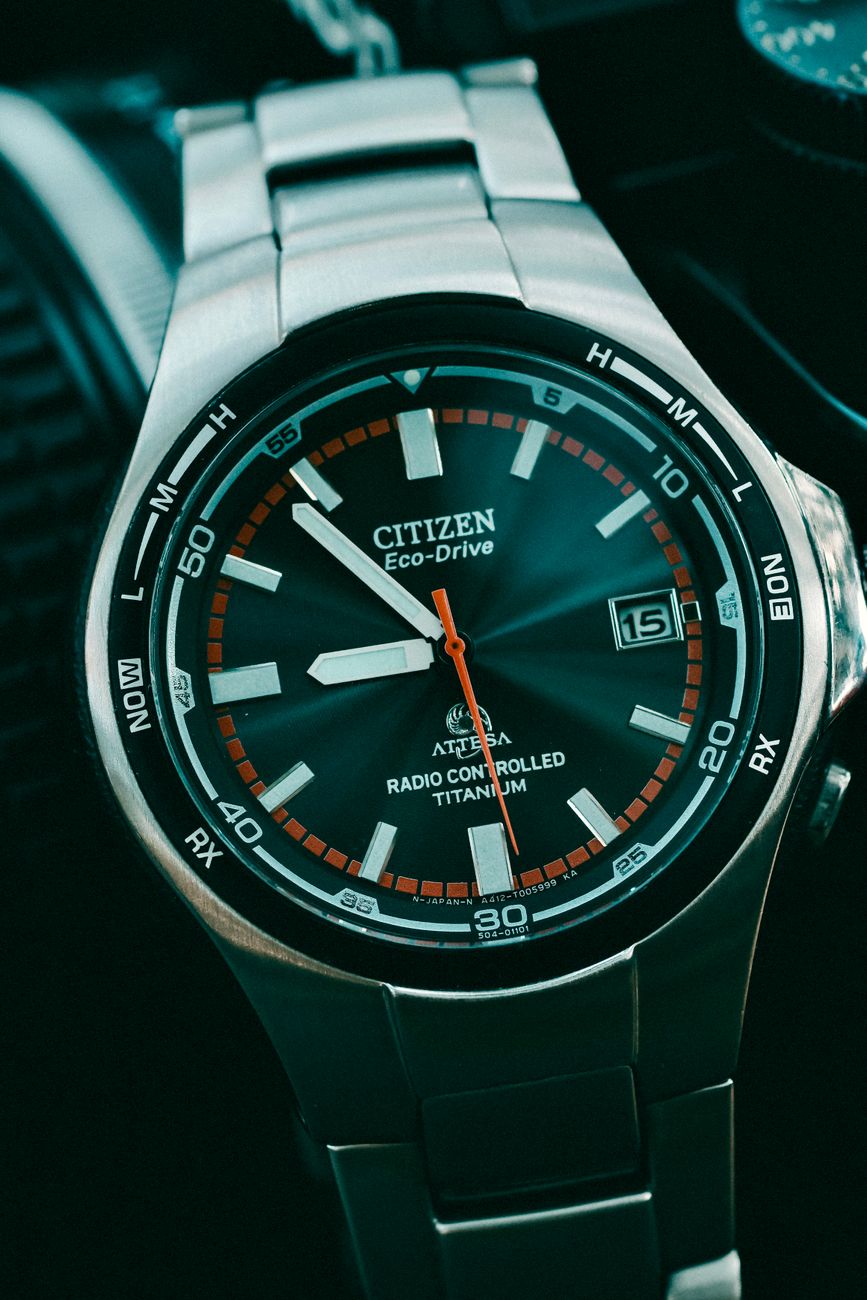
- Watches. Water resistance and seals matter. Avoid submerging non-waterproof watches. Cleaning should be gentle around seals and straps.
- Bicycle frames and bike parts. Frames handle water, but components often include other metals. Clean drivetrain parts with bike-specific degreasers rather than aggressive metal cleaners.
- Knives and tools. Cutting surfaces and pivot joints collect grime. Avoid abrasive pads that transfer steel particles, which can cause rust spots on mixed-metal assemblies.
General rules for safe titanium cleaning
- Start mild. Warm water and mild dish soap work for most dirt.
- Use soft tools. Microfiber cloths, soft cotton, or a soft-bristled toothbrush are ideal.
- Spot-test. For finishes you care about, test a small hidden area before treating the whole piece.
- Avoid abrasive steel wool. Steel wool leaves iron particles that can later rust and stain nearby metals.
- Avoid strong acids and bases. Concentrated acids such as hydrofluoric or strong alkalis can damage finishes and are unsafe to handle.
- Mind anodized finishes. Don’t use polishing compounds or abrasive pads on anodized parts unless you want to remove the color.
- Protect moving parts and seals. For watches and some tools, be careful around seals and lubrication points.
Quick reference table: safe cleaners and what to avoid
| Safe or recommended | Use cases | Avoid or use with caution |
|---|---|---|
| Warm water + mild dish soap | Everyday cleaning, jewelry, cookware, frames | Strong solvents on anodized finishes |
| Isopropyl alcohol (70% or 90%) | Removing oils, fingerprints, light disinfecting | Repeated use may dry rubbers or seals on watches |
| Baking soda paste (baking soda + water) | Stubborn stains, light tarnish, food residue | Abrasive scrubbing with hard pads |
| Non-chlorinated soft metal cleaners (Bar Keepers Friend) | Rust stains from other metals, hard water spots, stubborn marks | Use cautiously on anodized surfaces and test first |
| Jeweler’s polishing cloth / metal polish | Polished finish restoration (not anodized) | Will remove anodized color and patina |
| Ultrasonic cleaner | Solid titanium jewelry and small parts without adhesives or coatings | Items with glued gemstones or delicate coatings |
Step-by-step cleaning methods for common problems
Everyday cleaning for jewelry, rings, and small items
- Fill a small bowl with warm water and add a few drops of mild dish soap.
- Soak the piece for 5 to 10 minutes to loosen oil and dirt.
- Gently scrub crevices with a soft-bristled toothbrush.
- Rinse under running water and dry with a microfiber cloth.
- If fingerprints persist, wipe with a cloth lightly dampened with isopropyl alcohol, then dry.
Notes: For anodized jewelry, skip polishing cloths and only use soap and water or alcohol. If the item has glued-in stones, avoid ultrasonic cleaners and excessive soaking.
Questions about food stains, durability, and coatings on pots are covered in Is Titanium Cookware Safe?.
Cleaning titanium cookware and camping pots
Uncoated pure titanium cookware is durable but light. Avoid using metal scouring pads that can deform thin pans. Follow these steps for common kitchen stains.
- Soak: Fill the pot or pan with warm water and a squirt of dish soap. Let it soak at least 30 minutes for stuck food.
- Boil with baking soda for burned-on food: If soaking is not enough, add water to cover the burned area and bring to a gentle boil. Add 1 to 2 tablespoons of baking soda. Let simmer for 10 to 15 minutes, then cool and scrub with a nylon scrub pad.
- Use a wooden or plastic scraper to lift stubborn spots. Avoid metal scrapers that can dent thin titanium.
- Rinse and dry immediately to prevent mineral spots from hard water.
Notes: If your cookware has non-titanium parts or coatings, follow the care recommendations for those materials. Some camping cookware has welded or riveted joints; clean gently around joints to avoid loosening them.
Removing fingerprints and grease on knives, tools, and hardware
- Wipe with a microfiber cloth dampened with isopropyl alcohol to remove oils and fingerprints quickly.
- For greasy grime, use warm soapy water first, then follow with alcohol to remove residue and dry thoroughly.
- Avoid leaving alcohol on plastic or rubber handles for long periods; it can dry them out.
Cleaning anodized titanium (colored parts)
Anodized titanium should be treated gently because the color is part of the oxide layer.
- Use warm water and mild dish soap with a soft cloth or soft-bristled toothbrush for detailed areas.
- Avoid abrasive pads, metal polishes, and powdered cleaners that say abrasive on the label.
- If you need to disinfect, use a wipe with a small amount of isopropyl alcohol and test a hidden spot first. Do not soak for long periods.
- For stubborn non-color-related dirt, use a very mild cleaner like diluted Bar Keepers Friend applied carefully and rinsed quickly, but test first.
Using an ultrasonic cleaner
Ultrasonic cleaners are effective for solid titanium items like plain rings and small parts. They use high-frequency sound waves to loosen dirt. Keep these cautions in mind.
- Do not use on items with glued gemstones or delicate coatings unless the manufacturer says it is safe.
- Use a mild cleaning solution formulated for ultrasonic use, not concentrated acids.
- Short cleaning cycles usually work well. Overlong cycles can stress some materials or adhesives.
Dealing with rust stains or iron contamination
Titanium itself does not rust, but rust stains can come from contact with iron or steel particles. For these spots:
- Apply a paste of baking soda and water and let it sit for several minutes. Gently scrub with a soft brush and rinse.
- If the stain remains, use a non-chlorinated cleaner like Bar Keepers Friend following the label instructions and spot-testing first. Rinse and dry thoroughly.
- Avoid steel wool or ferrous brushes that could add more iron particles to the surface.
Removing scratches and heat discoloration
Cleaning and polishing are different tasks. Surface scratches are often cosmetic. Heat discoloration, called heat tint, can appear on titanium knife blades and exhaust components after exposure to high temperatures.
Light surface scratches
- Use a jeweler’s polishing cloth or a metal polish formulated for titanium. Work gently and follow the product directions.
- For brushed finishes, maintain the original grain direction by using abrasive pads designed to match the grit. This preserves appearance more than random polishing.
- Always test in an inconspicuous area and understand that polishing removes a small amount of metal.
Deep scratches and professional refinishing
Deep gouges usually require abrasive work and possible re-finishing. For valuable items, consider a professional jeweler, watchmaker, or a specialist who can refinish the surface without over-thinning the part.
Heat tints and discoloration
- Light heat tints can sometimes be polished out with metal polish and buffing.
- Stubborn heat coloration may require more aggressive polishing or bead blasting, which is best left to professionals to avoid changing part geometry or removing too much material.
Cleaning specific items: step-by-step table
| Item | Recommended method | Main caution |
|---|---|---|
| Rings and jewelry | Soak in warm soapy water, soft brush, rinse, dry. Use alcohol for oils. | Avoid ultrasonic with glued stones; avoid polishing colored/anodized pieces. |
| Camping cookware | Soak, boil with baking soda for burned food, nylon scrub, dry. | Avoid metal scrapers and abrasive pads on thin pots. |
| Watches | Soft brush and soapy water for waterproof models; use alcohol on bracelet links. | Do not submerge non-waterproof watches; avoid alcohol on seals repeatedly. |
| Bike frame | Rinse with hose, mild soap, soft brush, dry. Use bike degreaser for drivetrain. | Avoid strong solvents near decals, bearings, or seals. |
| Knives and EDC tools | Wipe with cloth, warm soapy water, dry. Use mild polish for bright finish. | Prevent iron contamination; do not use steel wool. |
Maintenance tips to keep titanium looking its best
- Wipe items after use to remove sweat, salt, or oils, especially jewelry and watches.
- Dry cookware and tools immediately after washing to avoid mineral spotting.
- Store tools and jewelry separately to prevent contact with harder metals that can scratch or transfer particles.
- For anodized pieces, avoid long exposure to chemicals, and clean with mild soap to preserve color.
- Keep a small bottle of isopropyl alcohol and a microfiber cloth for quick fingerprint removal.
Common misconceptions and corrections
Myth: Titanium never needs cleaning.
Fact: Titanium resists corrosion but still collects dirt, oils, and stains from other metals or contaminants. Regular cleaning maintains appearance and hygiene.
Myth: You can use any metal polish on titanium with no issues.
Fact: Some metal polishes remove anodized color or change a brushed finish. Use products made for titanium or test first.
Myth: Steel wool is fine for heavy scrubbing.
Fact: Steel wool can leave iron particles that promote rust on nearby steel parts. Use non-ferrous brushes, nylon pads, or brass brushes cautiously.
Practical takeaways
- Always start with the gentlest method that could work: warm water, mild soap, and a soft cloth.
- Use isopropyl alcohol for oils and fingerprints; it evaporates quickly and leaves little residue.
- For stuck-on food, baking soda plus boiling water is often safer than abrasive scrubbing.
- Test any stronger cleaner on a hidden spot before using it on the whole item, especially for anodized pieces.
- For deep scratches or important finishes, consider a professional refinish rather than aggressive DIY polishing.
FAQ
Can I use bleach or chlorine-based cleaners on titanium?
No. Avoid concentrated chlorine bleach and chlorinated cleaners. Pure titanium resists many chemicals, but these products can attack coatings, seals, or other materials in the item, and they can discolor finishes.
Is Bar Keepers Friend safe on titanium?
Bar Keepers Friend is often used to remove rust stains and hard water spots and can be effective on titanium. Use it sparingly, follow the label instructions, and spot-test on an inconspicuous area first. Avoid using it on anodized or colored finishes unless you accept the risk of changing the color.
Can I polish anodized titanium to restore shine?
No. Polishing will remove or change the anodized oxide layer and therefore alter the color. Clean anodized surfaces with mild soap and water and keep polishing off anodized parts.
Is it safe to put titanium cookware in the dishwasher?
Many titanium cookware items can go in the dishwasher, but check manufacturer guidance for your specific pot or mug. Repeated dishwasher cycles may dull polished finishes or affect non-titanium components like handles or coatings. Hand washing with mild soap is the safest method to preserve appearance.
Will baking soda scratch titanium?
Baking soda is mildly abrasive but usually safe when made into a paste and used gently. It is a good option for removing stains without aggressive scrubbing. Avoid vigorous scrubbing with hard pads while using baking soda, especially on polished surfaces.
Can I remove anodized color at home if I want to?
Removing anodized color requires removing the oxide layer mechanically or chemically, which can be difficult to control and may damage the part. If you want a different finish, consider having a professional strip and re-anodize the item.
Are there cleaners specifically made for titanium?
There are metal polishes and jewelry cleaners formulated for titanium. These products are designed to polish or clean titanium without aggressive chemicals. For most everyday cleaning, however, mild soap, water, and a soft cloth are adequate.
How can I prevent iron contamination and rust spots?
Keep titanium items away from steel wool and other ferrous materials. If you use tools that may shed iron particles, clean titanium surfaces afterward with a baking soda paste or a non-chlorinated cleaner. Store items separately when possible.
Keeping titanium clean is mostly about gentle care and common sense. Warm soapy water, soft cloths, and a little patience handle the majority of problems. For stubborn stains, a carefully applied baking soda paste or a spot-tested non-chlorinated cleaner can help. When aesthetics or value matter, slow and cautious cleaning, or professional help, will protect the finish and the item for years of reliable use.



