Does Titanium Tarnish? Causes of Discoloration, Cleaning Tips & Prevention
Have you noticed a dull spot or strange color on a titanium ring, watchcase, or camping mug and wondered whether titanium can tarnish like silver or copper? The short answer is often surprising. Titanium behaves differently from traditional “tarnish-prone” metals, but it can change appearance under certain conditions. Knowing what causes those changes and how to care for titanium will save you time and worry.
Quick answer: does titanium tarnish?
Short answer: Titanium does not tarnish the same way silver or copper do. Instead of forming dark sulfide layers, titanium quickly develops a very thin, stable oxide layer that protects the metal. That layer can change in appearance when exposed to heat, chemicals, wear, or surface coatings, so you may see discoloration, staining, or color shifts, but this is not traditional tarnish.
This matters because the protective oxide makes titanium extremely corrosion resistant and low-maintenance for jewelry, cookware, watches, and outdoor gear. Still, appearance changes can happen, and simple cleaning or the right finish choices usually restore or preserve how the metal looks.
Why titanium behaves differently than silver or copper
What is tarnish?
Tarnish is a surface reaction where a metal combines with elements in the air or environment to form a new compound that changes color. For example, silver reacts with sulfur compounds and forms silver sulfide, which looks black. Copper forms green or brown oxides and carbonates. Those compounds build up and cause the familiar dull or discolored surfaces people call tarnish.
What happens with titanium
Titanium reacts quickly with oxygen to form titanium dioxide, a very thin, tightly bonded oxide layer. That layer is passive, meaning it clings to the surface and prevents further reaction underneath. Because it protects the base metal, titanium resists corrosion rather than continuing to form thick, disfiguring layers the way some other metals do.
Why this matters for users: The protective oxide keeps titanium from corroding in everyday conditions. You are unlikely to see progressive, damaging tarnish on titanium. Instead, you might notice surface changes caused by other factors such as heat, abrasion, coatings, or deposits from skin and environment.
For guidance on long-term wear and skin safety, see Is Titanium Jewelry Safe.
When titanium can look like it’s tarnished
Even though titanium does not tarnish in the classic sense, several practical situations can make it look discolored, dull, or different than when it was new.
Surface oils, dirt, and residue
Skin oils, lotions, perfumes, and everyday grime can build up on titanium jewelry and watches. That buildup can darken the metal or make it look dull. Cleaning with warm soapy water and a soft brush normally removes these deposits.
Anodizing and intentional colors
Anodizing is a common surface treatment for titanium that uses controlled electric voltages to grow a thicker oxide layer. Because the oxide thickness affects how light interferes with the surface, anodizing can produce bright blues, purples, golds, and other colors. Those colors are not paint, and they can change or fade with friction, strong chemicals, or high temperatures.
Heat-induced discoloration
High heat can thicken the oxide layer and produce colors similar to anodizing. For example, a knife heated at a high temperature may develop blue or straw hues. Those colors are a surface oxide effect and may be removable by polishing if the base metal is unaffected.
Scratches, abrasion, and coatings wearing off
Scratches and abrasive wear can change how light reflects from the titanium and can expose coatings or plating underneath. If a piece has a colored coating, PVD finish, or electroplating, that coating can wear and reveal base titanium or a different color below, which sometimes looks like tarnish.
Chemical exposure
Titanium resists most chemicals, but very strong acids or specific aggressive chemicals such as hydrofluoric acid can damage the oxide layer and the metal. Household cleaners are usually fine, but harsh industrial chemicals can cause discoloration or damage. Always check the finish type before using solvents or polishes.
Chloride and galvanic situations
Titanium performs well in chloride environments, which is why it is used in marine and chemical applications. However, when different metals are connected in an electrolyte, galvanic corrosion can occur. On consumer items this is uncommon, but if titanium hardware contacts dissimilar metals in a corrosive wet environment, it can affect adjacent metals or coatings.
Titanium grades and finishes: what affects appearance
Titanium comes in several grades and is commonly finished in different ways. Grade and finish influence how the metal looks over time.
Common titanium grades for consumer products
Commercially pure titanium grades 1 through 4 are common in jewelry and some cookware. Ti-6Al-4V, an alloy that contains aluminum and vanadium, is common in aerospace and also used for gear, knives, and some jewelry. The alloying elements slightly change color, hardness, and how the metal accepts finishes.
| Grade | Typical use | Appearance and finish notes |
|---|---|---|
| CP-Ti Grade 1 | Jewelry, consumer goods where ductility counts | Softest, excellent corrosion resistance, accepts polish well |
| CP-Ti Grade 2 | Watches, cookware, general consumer goods | Most common, good strength and corrosion resistance, takes finishes nicely |
| CP-Ti Grade 3 | Structural components, some specialty jewelry | Higher strength, slightly less ductile, similar appearance to grade 2 |
| CP-Ti Grade 4 | Aerospace fasteners, high-strength consumer parts | Higher strength among pure grades, finishes may show more texture |
| Ti-6Al-4V | Knives, EDC tools, high-stress parts | Stronger, harder to machine and polish, often used where durability matters |
Surface finishes and how they age
- Polished. Shows scratches more easily but is simple to clean and restore.
- Bead-blasted. Hides small scratches and offers a matte look, but oils may darken it over time.
- Anodized. Provides durable colors but can fade with friction or aggressive chemicals.
- PVD and coatings. Add color or wear resistance but can scratch or wear away, revealing base metal beneath.
- Plated. Plating layers are thin and can wear off, which is sometimes mistaken for tarnish.
How to clean and restore titanium safely
Titanium is generally low-maintenance, and most cleaning is simple. The correct method depends on whether the piece is pure titanium or has a coating or anodized finish.
Daily care
- Wipe with a soft microfiber cloth to remove fingerprints and oils.
- Rinse with warm water after exposure to sand, salt, or sweat, then dry with a soft cloth.
- Avoid abrasive pads or scouring powders on polished or coated surfaces.
Routine cleaning
For most titanium items, mix a few drops of mild dish soap in warm water, soak briefly, then use a soft toothbrush to clean crevices. Rinse and dry thoroughly. This removes oils, dirt, and most residues without harming the oxide layer or common coatings.
Removing stubborn deposits
Stubborn mineral deposits from hard water can often be removed by soaking the item in a 1:1 solution of white vinegar and water for a short time, followed by gentle scrubbing and thorough rinsing. Because vinegar is acidic, test on a small inconspicuous area first, and avoid vinegar on delicate coatings. Rinse completely to neutralize the acid.
Polishing scratches and heat discoloration
Small surface scratches on polished titanium can be buffed with fine polishing cloths or jeweler’s polishing compounds. For deep scratches or aluminum alloy parts, professional refinishing is the safest option. Heat discoloration that is only an oxide layer can sometimes be polished away, but that depends on finish depth and coatings.
Cleaning anodized or coated titanium
Use mild soap and water only. Avoid solvents, abrasive cleaners, and aggressive acids. If a coating is worn or chipped, professional re-coating or anodizing may be required to restore the original appearance.
Ultrasonic cleaners and professional care
Ultrasonic cleaners are commonly used by jewelers and labs and are safe for pure titanium in most cases. However, avoid ultrasonics for items with loose stones, certain delicate coatings, or glued components unless a professional confirms it is safe.
Anodizing: creating color and why it matters for maintenance
Anodizing is a controlled electrochemical process that thickens the oxide layer on titanium to create interference colors. Because color comes from the oxide thickness, you will not peel it off like paint. Colors can fade under constant friction or be altered by strong chemicals.
Practical implications
- Anodized jewelry holds vibrant colors well with normal wear, but rings that rub against metal or abrasive surfaces may show wear lines.
- Colored titanium cookware or mugs that are anodized should still be treated as you would any kitchenware: avoid metal scouring pads and harsh chemicals if you want to preserve the finish.
- If color matters for aesthetics, choose pieces with durable anodizing or thicker coatings from reputable manufacturers.
Corrosion, extreme conditions, and safety
Titanium is known for excellent corrosion resistance, which is why it is used in marine, chemical processing, and medical implants. For everyday consumers, this means titanium resists rust and most common corrosive environments.
When titanium can corrode or be attacked
- Very strong acids and some fluoride-containing compounds can attack titanium and its oxide layer. These chemicals are not typically encountered in household use.
- High-temperature oxidizing environments can change the oxide layer and appearance. Extreme heating may also embrittle some titanium alloys if performed incorrectly.
- In galvanic couples with dissimilar metals in an electrolyte, certain parts of a multi-metal assembly can corrode. On consumer items this is rare but possible in poor design or unusual conditions.
What this means for common products
For jewelry, watches, and cookware used as intended, corrosion is rarely a concern. When you need a material that will sit in aggressive industrial chemicals, consult engineers or manufacturers who specify the right titanium grade and finish for that environment.
Real-world examples and practical advice
Jewelry
Titanium rings and bracelets are popular because they are lightweight and resistant to corrosion. They will not blacken like silver, but skin oils and cosmetics can dull a finish. Polished titanium can show scratches, so many makers offer bead-blasted or matte options for everyday wear. If your anodized ring loses color at high-wear contact points, a jeweler can re-anodize it.
Watches
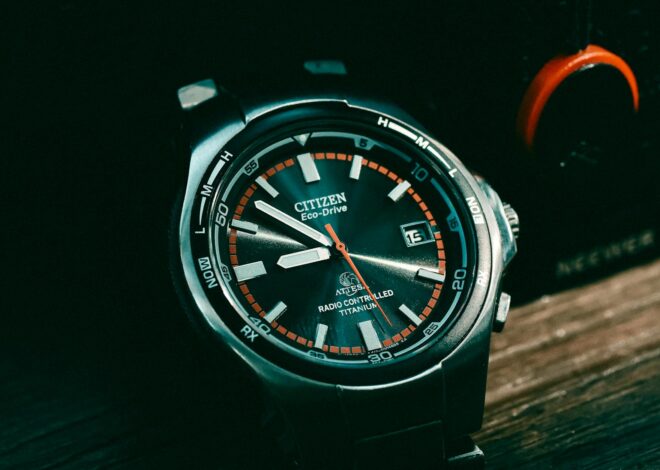
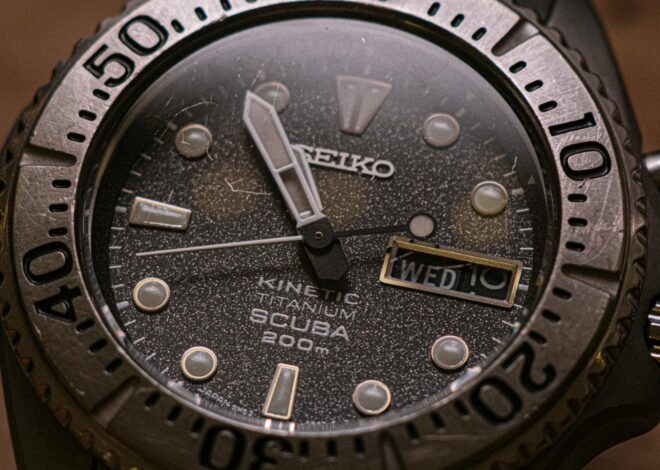
Titanium watch cases and bracelets reduce weight and resist corrosion in wet environments. Manufacturers often apply coatings such as PVD to change color and add scratch resistance. If a PVD coating wears, the underlying titanium remains functional but will appear different. Regular cleaning removes sweat and salt and keeps bracelets looking their best.
Cookware and camping gear
Titanium cookware is prized for low weight and nonreactivity. Titanium does not react with food or give off metallic flavors. It can show food stains or baking residues, which typically rinse off with hot soapy water. Heat-induced colors can appear if exposed to very high temperatures; those colors are cosmetic and do not usually affect performance.
Water bottles and mugs
Titanium bottles resist corrosion from beverages and are lighter than stainless steel. Mineral deposits from hard water or coffee stains can be cleaned with mild solutions. If a bottle is anodized or coated, be cautious with abrasive cleaners that may remove the finish.
Knives and EDC tools
Titanium handles, liners, and blades (in certain alloys) are used for weight savings and corrosion resistance. Blades made of titanium alloys are less common because steel typically holds a sharper edge. Surface discoloration from heat during sharpening or use can usually be polished off. Choose appropriate alloy and finish for the intended wear.
Titanium versus common metals: tarnish and maintenance
| Metal | Typical tarnish behavior | Maintenance |
|---|---|---|
| Silver | Tarnishes readily with sulfur to form black sulfide | Polish regularly with silver cloth or store with anti-tarnish strips |
| Copper | Forms green or brown patina over time | Polish to restore shine or let patina develop for appearance |
| Stainless steel | Resists tarnish; may show surface stains and fingerprints | Clean with soap, polishing cleaners for heavy stains |
| Aluminum | Forms a thin oxide layer; can oxidize to chalky white under severe conditions | Clean with mild abrasives or polish; anodizing can protect surface |
| Titanium | Forms a durable oxide layer; does not tarnish like silver or copper but may discolor from heat, coatings, or deposits | Clean with soap and water; avoid harsh chemicals on coated or anodized finishes |
Common misconceptions about titanium and tarnish
- Myth: Titanium never changes appearance. Fact: Titanium resists corrosion, but surface oils, scratches, heat, and coatings can alter how it looks.
- Myth: Any discoloration means titanium is failing. Fact: Most discoloration is cosmetic and does not affect strength or corrosion resistance.
- Myth: Anodized colors are painted on. Fact: Anodizing creates colors through oxide thickness and light interference, so the color is part of the surface chemistry.
- Myth: You can use any metal cleaner on titanium. Fact: Avoid abrasive cleaners and strong acids on anodized or coated titanium. Mild soap and water are safest for most finishes.
Practical takeaways
- Titanium does not tarnish like silver or copper. It forms a protective oxide that prevents progressive corrosion.
- Surface changes are usually cosmetic. Heat, coatings, abrasion, and residues are the most common causes of discoloration.
- Clean gently. Warm soapy water and a soft brush or cloth solve most appearance issues. Test acidic or solvent cleaners on an inconspicuous area first.
- Be cautious with coatings and anodizing. Those finishes change how the metal behaves and how you should care for it.
- Choose the right finish for your use. Polished titanium looks bright but shows scratches. Matte or bead-blasted finishes hide wear better. Anodized color is attractive but may show wear at contact points.
Frequently asked questions
1. Will titanium turn black like silver?
No. Titanium does not form black sulfides like silver. If titanium looks dark or blackened, it is usually surface residue, a coating wearing off, or an oxide layer from heat. Cleaning or professional refinishing typically restores the appearance.
2. Can I use household cleaners on titanium?
Most mild household cleaners and dish soap are safe on bare or anodized titanium when used according to directions. Avoid strong acids, bleach, and abrasive scrubbing pads on coated or anodized surfaces. When in doubt, use warm soapy water and a soft cloth.
3. How do I remove anodized color from titanium?
Anodized color is created by oxide thickness and is not paint. Removing it typically requires mechanical abrasion or chemical processes performed by professionals. Do not attempt aggressive chemical stripping at home.
4. Does titanium rust?
No. Titanium does not rust because it does not contain iron. The oxide layer protects it against corrosion in normal environments.
5. Why did my titanium item change color after I heated it?
Heat changes the thickness of the oxide layer and produces interference colors similar to anodizing. Those colors are a surface effect and may be removable by polishing if needed.
6. Are titanium-plated items the same as solid titanium?
Plated items have a thin layer of titanium or another finish over a base metal. If the plating wears through, the underlying metal will be exposed and may corrode or look different. Solid titanium items will retain the base metal’s corrosion resistance even after surface wear.
7. Is titanium safe for people with metal allergies?
Titanium is often well tolerated because it is highly biocompatible and resists corrosion. However, allergies are individual. If you have a known metal allergy, consult a medical professional before using jewelry or implants.
8. Can I re-anodize or re-coat titanium at home?
Anodizing and professional coatings are best handled by experienced shops. DIY anodizing using improvised equipment can be dangerous and produce inconsistent results. For aesthetic restoration, a reputable jeweler or finishing shop is the safer choice.
Titanium’s reputation for low maintenance and corrosion resistance is well earned. It does not tarnish in the traditional sense, but like any material, it can change appearance when exposed to certain conditions. A little basic care and sensible choices about finish will keep titanium looking the way you want while letting you benefit from its lightweight strength and durability. For specific concerns about coatings, high-temperature use, or industrial chemical exposure, consult the manufacturer or a materials professional to confirm the right grade and finish for your application.