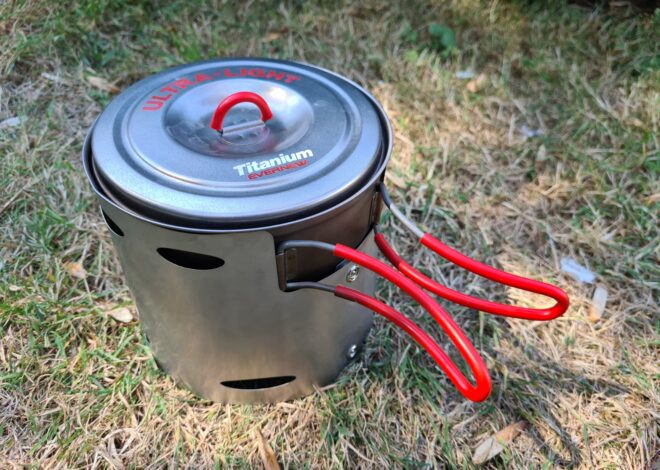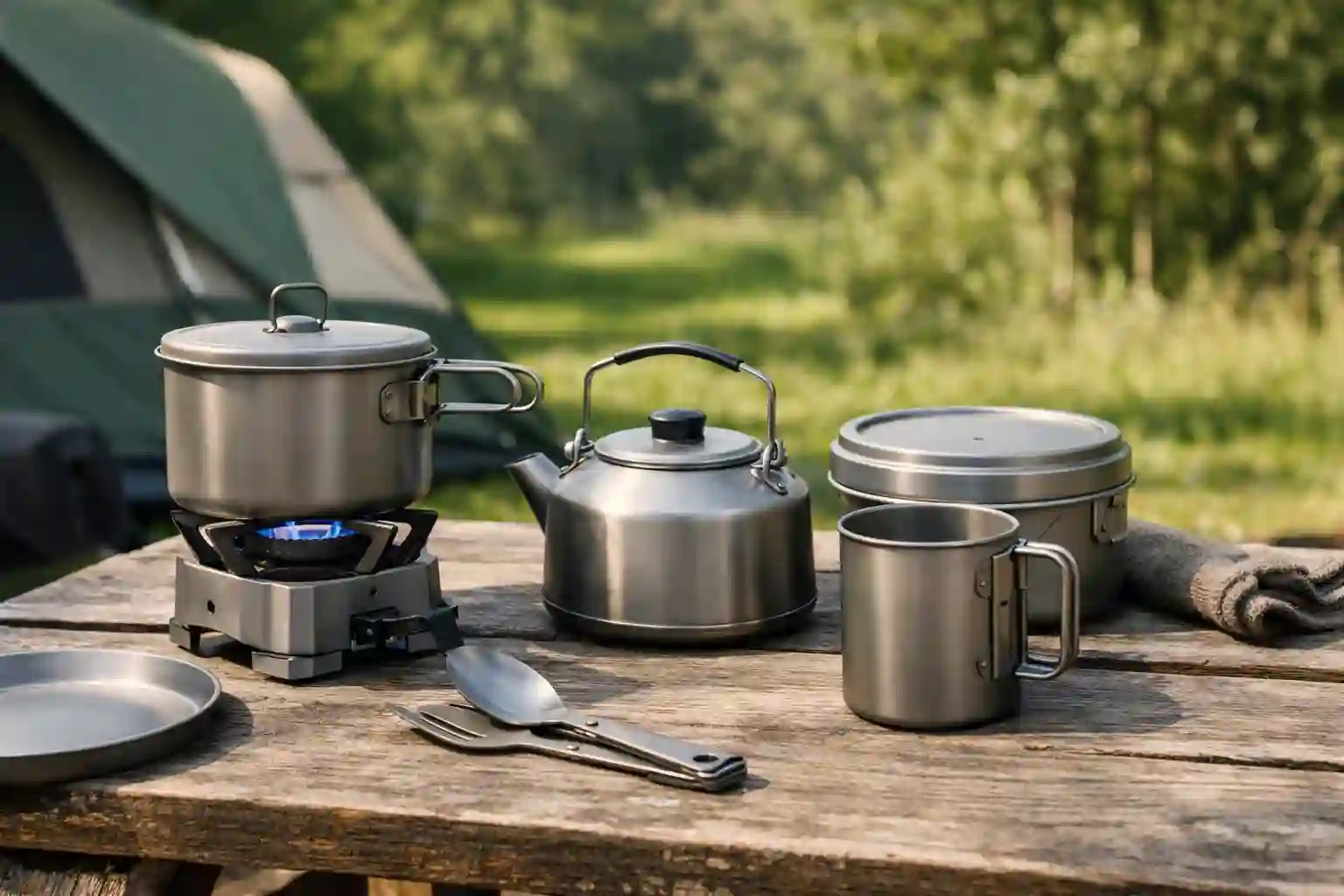
Best Titanium Camping Gear in 2026: Complete Buying Guide
Getting into camping sounds simple until you actually start putting your gear together. One pot here, a random stove there, maybe a mug you picked up along the way, and suddenly nothing quite fits the way you expected. Cooking feels awkward, packing takes longer than it should, and your setup never really feels complete.
That’s where titanium camping gear starts to make a noticeable difference.
Instead of mixing bulky or mismatched equipment, the titanium gear is designed to work as a system. It’s lightweight enough for backpacking, strong enough to handle repeated outdoor use, and versatile enough that a single item can often serve multiple purposes. When everything works together, your entire camping experience becomes smoother, from boiling water in the morning to packing up quickly before moving on.
This guide to the best titanium camping gear in 2026 focuses on what actually matters in real-world use. Not just individual products, but how different pieces fit together into a practical setup. Whether you’re building your first kit or refining an existing one, the goal here is simple: help you avoid unnecessary gear and choose pieces that genuinely improve your time outdoors.
If you’re short on time, the comparison table below gives you a quick overview of the key categories and how they fit into a complete titanium camping setup.
Best Titanium Camping Gear Overview for a Complete Setup
| Category | Main Use | Best For | Guide |
|---|---|---|---|
| Titanium Camping Mugs | Drinking and light boiling | Ultralight setups | View Guide |
| Titanium Camping Pots | Cooking and boiling water | Backpacking | View Guide |
| Titanium Camping Stoves | Heat source | All setups | View Guide |
| Titanium Camping Kettles | Fast water boiling | Coffee and tea | View Guide |
| Titanium Camping Plates | Eating and serving | Simple meals | View Guide |
| Titanium Water Bottles | Hydration | All trips | View Guide |
| Titanium Food Containers | Food storage | Meal prep | View Guide |
| Titanium Windshields | Wind protection | Outdoor cooking | View Guide |
Here’s what a complete titanium camping gear setup typically looks like when everything is working together:
Once you start thinking in terms of a setup rather than individual items, it becomes clear that you don’t actually need everything. A solid core does most of the heavy lifting, and the rest just adds convenience based on your style of camping.
Let’s break this down into practical systems so you can understand what actually matters.
Building a Titanium Cooking Setup That Actually Works
The heart of any camping setup isn’t just the gear you carry, but how well it works together when you actually need to cook. Out in the field, things are rarely ideal. Wind picks up, space is limited, and you don’t always have time to adjust or troubleshoot. That’s exactly where a well-matched titanium cooking setup starts to stand out.
This is where a well-matched cooking setup starts to make a real difference in actual conditions:
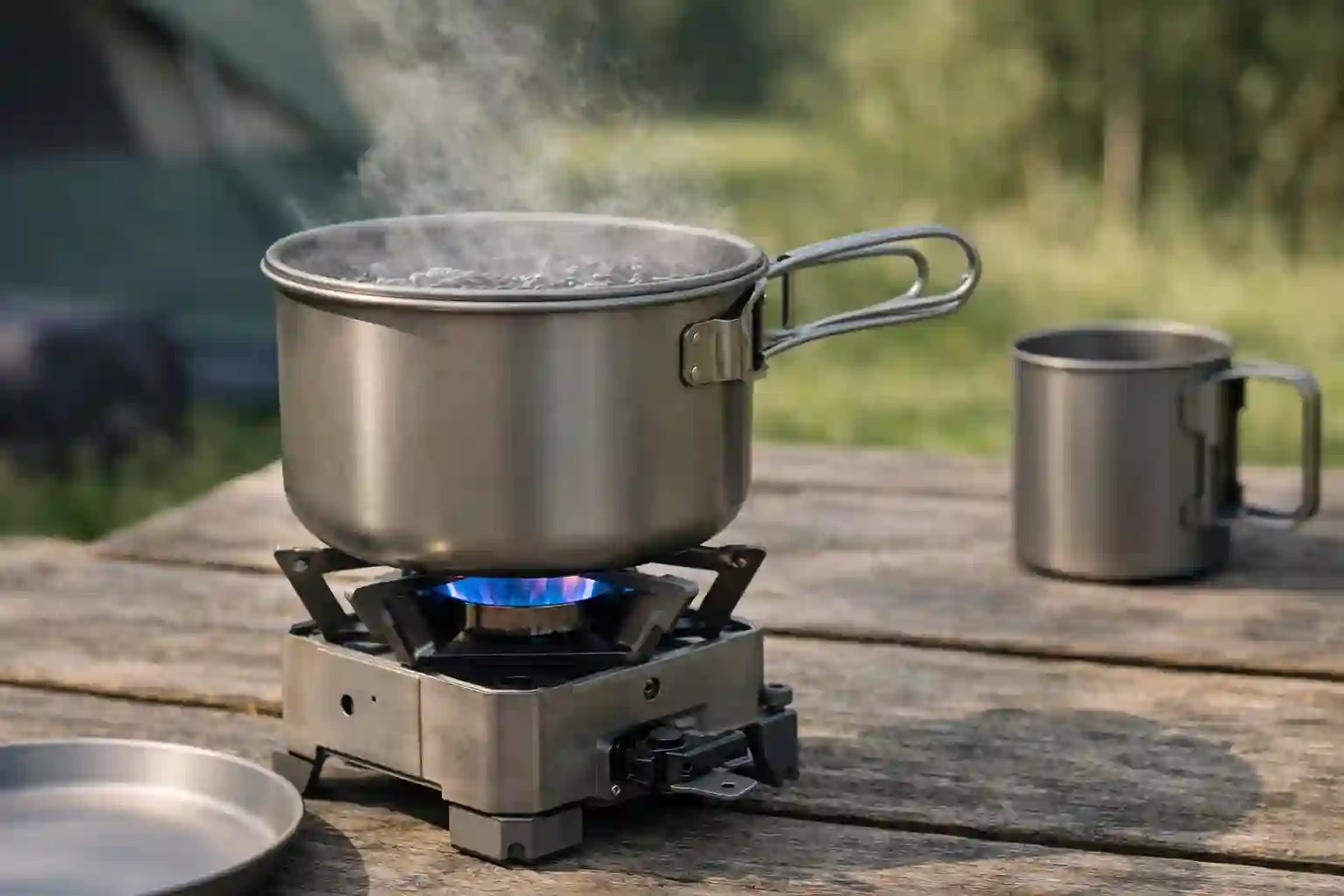
At the center of that setup is usually a pot and a stove. The pot does most of the heavy lifting, whether you’re boiling water, cooking simple meals, or reheating food after a long day. The stove, on the other hand, determines how quickly and reliably everything happens. If either one falls short, the entire process becomes noticeably less efficient.
For campers who regularly make hot drinks or rely on quick boiling, adding a kettle can make a surprising difference. It’s one of those pieces that isn’t strictly necessary, but once you’ve used it, going back to a pot-only setup often feels less convenient.
Where things really start to come together, though, is with small additions like a windshield. In calm conditions, you might not notice much difference. But in open or windy environments, a simple windshield can reduce fuel consumption, shorten boil times, and make the whole cooking process far more predictable. It’s a small piece of gear that often ends up having an outsized impact.
If you’re still figuring out how to build your setup, it’s worth taking a closer look at how different combinations perform in practice. The guides on titanium camping pots and titanium camping stoves go deeper into sizing, fuel compatibility, and how these choices affect real-world use, especially when you’re trying to keep things lightweight without sacrificing reliability.
Eating and Drinking Setup
Once the cooking is done, the focus naturally shifts from preparing food to actually enjoying it. This is the part many people underestimate at first. Cooking outdoors is one challenge, but eating comfortably without making a mess or constantly adjusting your setup is a different experience altogether.
Most campers settle into a simple combination of a mug, a bowl, and a compact utensil set. Items like sporks or cutlery sets can make eating more convenient without adding much weight. This kind of setup keeps things lightweight while still covering the essentials. The mug usually ends up being the most flexible piece. It is used for drinks, but in many situations it also works for heating water or preparing quick meals, especially when you want to keep your gear minimal.
Bowls and plates serve a different purpose. They are not always necessary, especially on short or ultralight trips where every gram matters. But on longer outings, or when you are camping at a more relaxed pace, they make a noticeable difference. Having a proper surface to eat from makes meals easier to manage and more enjoyable, particularly when you are not in a hurry.
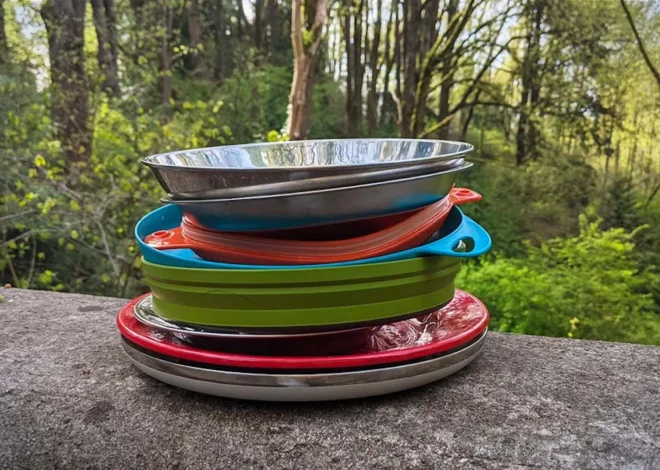
Another detail that often gets overlooked is how well these pieces fit together. Items that stack neatly, match in size, and pack away without wasted space tend to perform much better over time. A well-organized setup not only saves space but also reduces the small frustrations that can build up during a trip.
If you are comparing different options, it helps to look beyond basic specifications and focus on how each piece performs in daily use. The guides for titanium camping mugs and titanium camping plates go into more detail on capacity, shape, and usability, which can make it easier to choose what actually fits your style of camping.
Water and Storage Essentials
Water tends to be one of those things you don’t think much about until it becomes a problem. Out on a trip, staying hydrated is not complicated, but it does depend on having a bottle you can rely on. A good water bottle should be easy to carry, durable enough to handle daily use, and simple to refill without slowing you down.
Titanium water bottles are often chosen for their durability and long-term reliability. They resist corrosion, handle rough conditions well, and tend to last far longer than lighter materials that can dent or wear out over time. For longer trips or repeated use, that kind of consistency starts to matter more than you might expect.
From personal experience, having a bottle that you don’t need to think about makes a noticeable difference. On shorter trips, almost anything works. But on longer outings, or when you are moving frequently, a reliable bottle becomes one less thing to worry about, and that alone makes the setup feel smoother.
Storage works similarly. Food containers and lunch boxes are not always essential, but they quickly become useful once you start organizing meals or carrying leftovers. Keeping food separate, easy to access, and properly packed can save time and avoid unnecessary mess, especially when space is limited.
If storage and portability are important for your setup, it helps to look at how different designs perform in real use. The guides for titanium camping water bottles and titanium food containers go into more detail on capacity, sealing, and ease of use, which can help you choose what fits your routine best.
Complete Sets vs Individual Pieces
At some point, almost everyone runs into the same question: should you buy a complete set, or build your setup piece by piece? On paper, both approaches make sense. In practice, the right choice usually depends on how you plan to use your gear.
Complete cookware sets and mess kits are built for simplicity. Everything is designed to fit together, pack efficiently, and work as a single unit. You don’t have to think too much about compatibility, sizing, or whether different pieces will stack properly. For beginners or anyone who prefers a straightforward solution, this can make the entire process much easier from the start.
Building your own setup takes a different approach. Instead of accepting a predefined combination, you choose each piece based on your own priorities. This gives you more control over weight, size, and functionality. You can keep things minimal for shorter trips or add specific items that match how you like to cook and eat outdoors.
From personal experience, complete sets tend to feel more convenient in the beginning, especially when you are still figuring out what you actually need. Over time, though, many people start adjusting their setup by swapping out individual pieces. What starts as a simple kit often evolves into something more tailored and efficient.
If you are comparing both approaches, it helps to look at how they perform beyond the initial purchase. The guides for titanium cookware sets and mess kits go into more detail on packing, usability, and long-term flexibility, which can make it easier to decide which direction fits your style of camping.
Titanium vs Other Materials for Camping
Titanium often gets labeled as a premium option, but in real use, the difference is less about status and more about how the material behaves over time. Stainless steel and aluminum are both widely used in camping gear, and each of them can work well depending on the situation.
Stainless steel is known for its durability and solid feel. It handles rough use without much concern and is usually more affordable. The trade-off is weight. Over longer trips or when you are carrying everything on your back, that extra weight becomes much more noticeable.
Aluminum sits on the opposite end. It is lightweight and heats up quickly, which can be useful for basic cooking. At the same time, it tends to be less durable over repeated use, and it does not hold up as well in tougher conditions. For occasional trips, it can be perfectly fine. For long-term use, it often shows its limits sooner.
Titanium sits somewhere in between, but with a different balance. It combines low weight with high strength and excellent resistance to corrosion. This makes it particularly appealing for people who want gear that lasts without adding unnecessary weight. The main drawback is cost, which is usually higher compared to other materials.
From experience, the choice often comes down to how often you camp and how much weight matters to you. For short trips or casual use, stainless steel or aluminum can do the job without any issues. But once you start paying attention to pack weight or planning longer outings, titanium tends to feel like a more consistent and reliable option over time.
If you want a deeper comparison, the guide on titanium vs stainless steel cookware looks at performance, durability, and practical use cases in more detail, which can help you decide what fits your needs best.
How to Choose the Right Titanium Camping Gear
Choosing the right titanium camping gear usually comes down to one simple factor: how you actually camp. The same setup that works perfectly for one person can feel unnecessary or limiting for someone else, so it helps to think in terms of use rather than trying to find a single “best” option.
If you lean toward ultralight backpacking, weight quickly becomes the deciding factor. In that case, a minimal setup often makes the most sense. A small pot, a compact stove, and a single mug can cover most needs without adding extra bulk. Every additional item has to justify its place, so keeping things simple tends to work better over time.
For more relaxed trips, or situations where you are not carrying everything on your back, comfort starts to play a bigger role. This is where adding items like plates, larger cookware, or dedicated storage begins to feel worthwhile. Meals become easier to manage, and the overall experience feels less rushed and more enjoyable.
There is also a middle ground that many people settle into after a few trips. You start with a basic setup, then gradually adjust it based on what you actually use. Some items get left behind, while others become part of your regular kit. Over time, your setup becomes more efficient without needing to be overly complicated.
From experience, it is rarely necessary to get everything right from the beginning. Starting with a few core pieces and refining your setup as you go tends to lead to better results than trying to build a perfect system all at once. Once you understand your own habits, choosing the right gear becomes much more straightforward.
You don’t need a perfect setup to get started. Most people begin with a simple combination of a pot, a stove, and a mug, then gradually refine their gear over time. The key is to focus on what you actually use, rather than trying to cover every possible scenario from the beginning.
Frequently Asked Questions About Titanium Camping Gear
Do you really need a full titanium camping setup?
Not necessarily. Most people start with just a few core items, such as a pot, a stove, and a mug. A complete setup can be convenient, but it is often more practical to build your gear gradually based on how you actually camp. Over time, you will naturally figure out which pieces are worth keeping and which ones are not essential.
What is the most essential titanium camping gear to start with?
A small titanium pot and a reliable stove are usually the best starting point. These two items handle the majority of cooking tasks, from boiling water to preparing simple meals. A mug is often the next addition, especially because it can serve multiple purposes without adding much weight.
Is titanium camping gear worth the higher cost?
It depends on how often you use it. For occasional trips, more affordable materials can work just fine. But for regular camping or backpacking, titanium tends to hold up better over time while keeping weight low. In many cases, the higher cost becomes easier to justify once you understand what goes into the material and manufacturing process.
Can you mix titanium gear with other materials?
Yes, and many people do. It is common to combine titanium with stainless steel or aluminum, depending on the situation. For example, you might use a titanium pot for its weight advantage and a stainless steel item for durability, where weight is less of a concern. A mixed setup often provides a good balance between cost and performance.
How much titanium camping gear do you actually need?
In most cases, less than you think. A simple setup that covers cooking, eating, and water storage is usually enough for the majority of trips. Adding more gear can improve comfort, but it also increases weight and complexity. Finding the right balance is more important than trying to have a complete collection.
Does titanium camping gear perform differently in real use?
Yes, especially over time. Titanium is known for being lightweight and resistant to corrosion, which makes it reliable in a wide range of conditions. While the differences may not always be obvious on a short trip, they become more noticeable with repeated use, particularly when durability and weight both matter.
Final Thoughts
The best titanium camping gear isn’t about having more. It’s about having a setup that feels natural to use, where everything has a purpose, and nothing gets in the way.
A well-balanced setup saves more than just weight. It saves time when you are cooking, reduces small frustrations when you are packing, and makes the entire experience feel smoother from start to finish. These are the kinds of details that often matter more than any single piece of gear on its own.
As you spend more time outdoors, your setup will naturally evolve. Some items will prove their value quickly, while others will quietly get left behind. That process is part of the experience, and it is how most people end up with a setup that truly fits the way they camp.
From experience, it is rarely about finding the perfect combination right away. It is about building something that works, adjusting it over time, and keeping only what actually makes a difference.

Related Posts
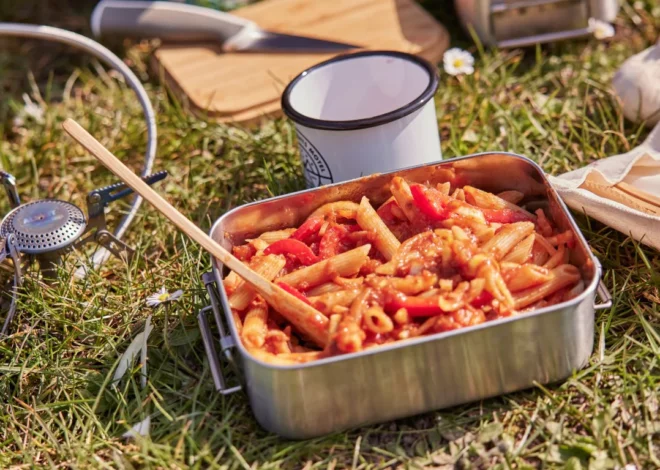
7 Best Titanium Camping Food Containers in 2026
9 Best Titanium Camping Plates in 2026