What Is Titanium? Uses, Properties, Grades and Why It Matters
Have you ever wondered what people mean when they call something “titanium” and why the word shows up on watches, camping cookware, and surgical implants? Lots of products use titanium, but not all uses are the same, and the reasons manufacturers pick titanium often come down to a few specific material traits rather than marketing jargon.
Quick answer
Titanium is a lightweight metal that combines good strength, excellent resistance to corrosion, and high biocompatibility. It is an element on the periodic table, and it is used either in nearly pure forms or as an alloy with other elements. Those basic traits make titanium useful for things that need to be light, durable, and safe next to the body, but titanium also costs more and can be harder to work with than alternatives such as stainless steel or aluminum.
What titanium actually is
Titanium is a chemical element, identified by the symbol Ti. In metal form it appears silvery-gray and is stronger than many people expect for its weight. The metal naturally forms a thin oxide film on its surface. That film protects titanium from rust and many kinds of chemical attack, which explains why it lasts in salty or wet conditions where other metals might fail.
Why this matters for everyday use. The oxide film gives titanium great corrosion resistance for products you use outdoors, in the kitchen, or on your skin. The combination of lower weight than steel and higher strength than many common aluminum alloys explains why titanium appears in backpacks, watches, bicycles, and aerospace parts.
Key material properties and what they mean for you
Lightweight but strong
Titanium has a density lower than steel but higher than aluminum. That middle-ground density means titanium items are noticeably lighter than steel equivalents while often carrying more strength per unit of weight than aluminum. For a hiker, a titanium pot or spoon saves ounces without sacrificing durability. For a bike rider, a titanium frame can be lighter and still feel stiff and responsive.
For backpackers deciding on pots, compare practical trade-offs in Titanium vs Stainless Steel to pick the best cookware.
Corrosion resistance
The thin oxide layer on titanium acts like a built-in rust shield in many environments, including seawater. That property makes titanium a favorite for marine hardware, medical implants, and outdoor gear. Note that surface condition matters, so scratched or contaminated parts can behave differently than clean, finished surfaces.
Biocompatibility
Titanium is widely used for implants because most people tolerate it well. The body accepts titanium without triggering common metal allergies. That is why dentists and orthopedists often use titanium for screws, plates, and joint replacements.
Workability and machining
Titanium is tougher to machine and form than aluminum or steel. It responds differently to heat during welding and machining, so specialized tools and techniques are common in manufacturing. Those extra steps add to product cost, and they affect how easily shops can produce custom titanium parts.
Temperature behavior
Titanium keeps its strength at higher temperatures than typical aluminum alloys, which is one reason it shows up in high-performance engine parts and aerospace components. At the same time, it is more expensive than alternatives designed for high heat, so designers pick titanium when its combination of properties justifies the cost.
Titanium grades and how they differ
Not all titanium is the same. Manufacturers use a small set of standardized grades depending on whether they need corrosion resistance, maximum strength, or better formability. Here are the grades you will see most often and why they matter.
| Grade | Type | Typical uses | Why pick it |
|---|---|---|---|
| Grade 1 | Commercially pure (CP) | Chemical equipment, watch cases, jewelry | Highest corrosion resistance, most formable of CP grades |
| Grade 2 | Commercially pure (CP) | General-purpose parts, medical tubes, fasteners | Good corrosion resistance with better strength than Grade 1 |
| Grade 3 and 4 | Commercially pure (CP) | Structural parts, heavier-duty fasteners | Higher strength among CP grades, slightly less formable |
| Grade 5 (Ti-6Al-4V) | Alpha-beta alloy | Aerospace components, implants, high-performance bike frames | High strength and good fatigue resistance, most common alloy |
| Grade 9 (Ti-3Al-2.5V) | Alpha-beta alloy | Bicycle frames, surgical instruments | Balanced strength and weldability, lighter than Grade 5 in some uses |
| Grade 23 (Ti-6Al-4V ELI) | Alpha-beta alloy | Medical implants | Modified alloy for exceptional fracture toughness in implants |
How this affects product choices. For general consumer goods like watches and cookware, you will often see commercially pure titanium grades because they provide good corrosion resistance and are easier to finish. For parts that need very high strength or fatigue resistance, manufacturers use alloys such as Ti-6Al-4V.
How titanium is made and why it costs more
Titanium does not occur as a pure metal in the earth. It is extracted from ores such as ilmenite and rutile using energy-intensive processes. The most common commercial route produces titanium sponge, which is then melted, refined, and formed into bars, plates, or powder. Those steps require vacuum or inert atmospheres to prevent contamination and to keep the metal’s properties consistent.
Common production steps and practical implications
- Ore processing and conversion. Turning ore into titanium compounds requires chemical processing and careful handling.
- Sponge production. The metal is produced in a porous sponge form that must be melted and consolidated. That is more complex than producing steel or aluminum from ore.
- Melting and refining. Vacuum or inert gas melting prevents oxygen and nitrogen pickup, which would weaken the metal. These controlled melts are slower and more costly.
- Forming and machining. Specialized tooling and slower cutting speeds are common, which increases manufacturing time and cost.
- Powder metallurgy. Powder production enables additive manufacturing and near-net-shape parts, but powders are expensive and require safety precautions.
Those technical steps add cost. For consumer products, that cost shows up as higher price tags compared with stainless steel or aluminum alternatives. The performance benefits must outweigh the extra cost to justify titanium in a product.
How titanium compares to stainless steel and aluminum
Comparisons matter because many buyers are choosing between these three metals. The practical differences are what determine whether titanium is the right choice for a given product.
| Property | Titanium | Stainless steel | Aluminum |
|---|---|---|---|
| Density | About 4.5 g/cm3, lighter than steel, heavier than aluminum | About 7.8 g/cm3, heaviest of the three | About 2.7 g/cm3, lightest |
| Corrosion resistance | Excellent in many environments, including seawater | Good, but some grades corrode in chloride-rich environments | Good when anodized, but can corrode in certain conditions |
| Strength-to-weight | Very good, often best of the three | High strength but heavier | Moderate strength, very light |
| Cost | Most expensive | Moderate cost | Least expensive |
| Workability | Challenging to machine and weld | Easy to machine and weld in many grades | Easy to form and machine |
How to use that comparison. If you want the lightest, cheapest option, aluminum is a solid choice. If you prefer strength at a lower cost and do not need the lightest weight, stainless steel works well. If you need a combination of lightness, corrosion resistance, and longevity and you are willing to pay more, titanium can be the right answer.
Real-world applications and why titanium is chosen
Seeing titanium in different products clarifies how its properties translate to real life. Below are common use cases with practical reasons manufacturers select titanium.
Camping cookware and eating utensils
Titanium cookware is popular with backpackers because it saves weight and resists corrosion. Titanium pots and spoons are great for boiling water and making simple meals. They are not naturally nonstick, so frying can require more oil or the use of a separate nonstick surface. Many users accept that trade-off because the weight savings are meaningful over long hikes.
Watches and jewelry
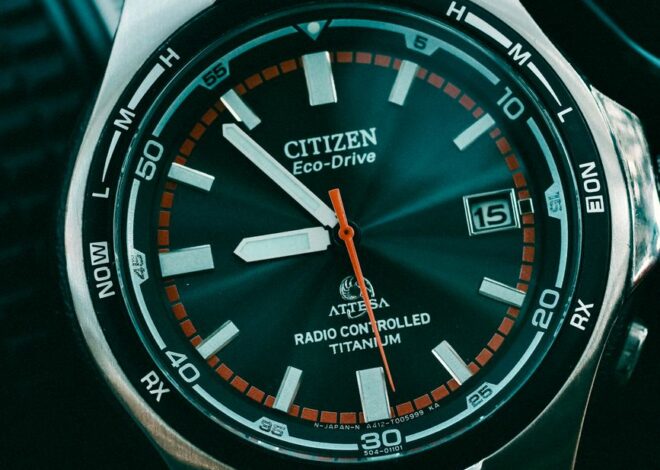
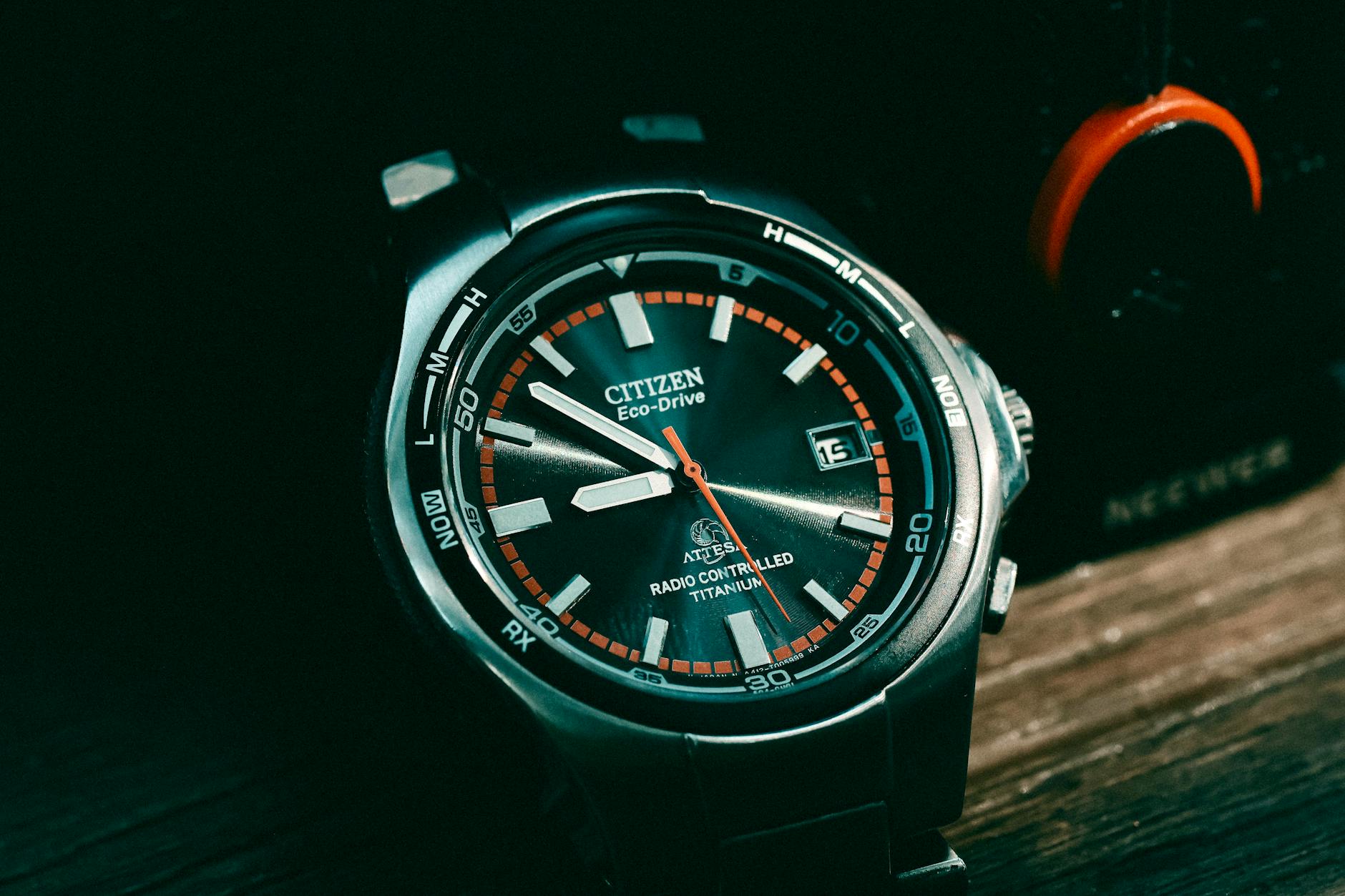
Titanium watch cases and jewelry are attractive because of the metal’s color, corrosion resistance, and skin friendliness. Titanium is less likely than some other metals to cause allergic skin reactions. Titanium can be finished in different ways, including anodizing to produce color, which is popular in watches and accessories.
Bicycles and sporting goods
Titanium frames and components combine a comfortable ride feel with corrosion resistance and long-term durability. Riders who want a blend of light weight and resilience often choose titanium frames despite higher costs.
Medical implants
Surgeons use titanium for plates, screws, and implants because the body generally tolerates it well. The oxide film and the alloy options make titanium strong and long-lasting inside the body. That is why dental implants and joint replacements commonly use titanium or titanium alloys.
Aerospace and high-performance engineering
Titanium is used on aircraft, rockets, and high-performance engines where weight savings, strength, and resistance to heat and corrosion are critical. Engineers accept the higher material and manufacturing cost because the operational benefits can be significant.
EDC tools and fasteners
Everyday carry knives, multi-tools, and specialty fasteners sometimes use titanium because the metal is strong, light, and corrosion-resistant. A common caveat is that titanium threads and joints can gall if mated improperly, so designers use careful finishes, coatings, or dissimilar-metal fasteners to avoid binding during use.
Durability and maintenance
Titanium items often last a long time with minimal maintenance, but there are practical things to know so you do not unintentionally shorten the life of a part.
Cleaning and everyday care
- For jewelry and watches. Clean with mild soap and water and dry with a soft cloth. Avoid strong acids or bleaches.
- For cookware. Titanium pots are dishwasher-safe in most cases, but hand-washing with a sponge is gentler and reduces the chance of discoloration. Avoid aggressive abrasives if you care about the finish.
- For outdoor gear. Rinse with fresh water after exposure to salt spray to remove deposits. Titanium itself resists corrosion, but salt and debris can trap moisture against other materials in a mixed assembly.
Wear, scratches, and surface finishes
Titanium can scratch. Scratches often reveal an underlying shiny surface that will develop an oxide finish over time, so many scratches are cosmetic. Anodized or bead-blasted finishes hide wear differently. If appearance matters, choose a finish that matches your tolerance for visible wear.
Threaded parts, galling, and assembly tips
Titanium can gall, which means surfaces can cold-weld or seize when rubbed together under pressure. For bolts and threaded parts, manufacturers use lubricants, anti-seize compounds, or different metals for mating components to avoid galling and to make disassembly reliable.
Safety considerations
Titanium is safe for most consumer uses, but manufacturing and certain forms of the material require precautions.
Allergies and body contact
Allergic reactions to metallic titanium are rare. That is one reason titanium is common in jewelry and medical implants. People who are sensitive to nickel often find titanium jewelry is a comfortable alternative.
Titanium powder and machining hazards
Titanium in powder form is reactive and can be a fire or explosion hazard if handled incorrectly. Shops that machine titanium use controls to manage fine chips and dust, and they follow fire-safety procedures. For consumers, this is mostly a manufacturer concern, not a household risk.
Chemicals and corrosion exceptions
Titanium resists many corrosive environments, but extreme chemical exposures or galvanic interactions with other metals in certain configurations can cause localized problems. For example, care is needed when joining titanium to dissimilar metals in marine or chemical processing environments. Engineers design assemblies to avoid these issues.
Common misconceptions and clarifications
- Titanium is indestructible. Titanium is durable, but it scratches and can fail under extreme loads. It is not invulnerable.
- All titanium is the same. There are several grades and alloys, each with different strengths and uses.
- “Titanium-coated” always means solid titanium. Some products are only coated or plated, not solid titanium. Coatings can wear off and behave differently than bulk titanium.
- Titanium is lighter than aluminum. Titanium is heavier than aluminum by density, but it is stronger, so components can sometimes be made thinner to save weight compared with steel.
- Titanium never corrodes. Titanium has excellent corrosion resistance, but under specific chemical or mechanical circumstances there can be localized corrosion or surface issues.
Tables that help you choose
Pros and cons at a glance
| Pros | Cons |
|---|---|
| Excellent corrosion resistance | Higher material and manufacturing cost |
| High strength-to-weight | Harder to machine and join |
| Biocompatible for implants and jewelry | Can gall when threaded with itself |
| Long service life in many environments | Less forgiving finish for some applications |
Durability factors that determine lifespan
| Factor | How it affects titanium | What you can do |
|---|---|---|
| Surface finish | Polished or anodized surfaces look different as they wear | Pick a finish that tolerates scratches for your use case |
| Environment | Seawater exposure is usually fine, but mixed-metal assemblies can cause issues | Rinse salt off and design joints to avoid crevices |
| Mechanical load | High cyclic loads can lead to fatigue in some alloys | Use appropriate grade or design to handle expected loads |
| Assembly practices | Improper torque or lack of lubricants can lead to galling | Use anti-seize or proper mating materials for threaded parts |
Practical takeaways
- Choose titanium when you need a durable, corrosion-resistant item that benefits from lower weight and you are willing to pay more.
- For cookware and camping gear, expect excellent corrosion resistance and weight savings. Expect more food to stick unless the product uses a nonstick coating.
- For watches and jewelry, titanium means lighter weight and low allergy risk. Consider the finish if you are bothered by visible scratches.
- For threaded parts, ask whether anti-seize or dissimilar metals are used to prevent galling during assembly and service.
- When you see “titanium-coated” products, verify whether the core material is titanium or only a surface treatment, since performance and durability differ.
Frequently asked questions
Is titanium safe to wear as jewelry or use in cookware?
Yes. Titanium is generally safe for skin contact and food use. It is biocompatible and unlikely to cause allergic reactions. For cookware, check whether the product is solid titanium or a titanium-coated product, because coatings can behave differently from bulk titanium.
Is titanium better than stainless steel?
It depends on the application. Titanium is lighter and resists corrosion better in many environments. Stainless steel is usually less expensive, easier to work with, and still very durable. Choose titanium for weight-sensitive, corrosion-critical, or implantable applications, and choose stainless steel when cost and ease of manufacture matter more.
Why does titanium cost so much?
Titanium production involves energy-intensive extraction and careful melting and forming to avoid contamination. Machining and welding also require special tools and procedures. Those manufacturing and processing costs are the main reasons titanium products are more expensive than steel or aluminum equivalents.
Can titanium rust or corrode?
Titanium resists rust and most corrosion thanks to a stable oxide film. In normal consumer conditions, titanium will not rust like iron. There are exotic or extreme chemical situations that can damage titanium, but those are uncommon in everyday use.
Is titanium lighter than aluminum?
No. By density, titanium is heavier than aluminum. However, titanium is stronger, so designers can make thinner sections and sometimes achieve a similar or better weight-to-strength balance than aluminum, depending on the design.
Will titanium magnets stick?
No. Titanium is non-magnetic, so it will not attract ordinary magnets. That can be useful in electronic or medical contexts where magnetism would be a problem.
How do I clean titanium items?
For most items, mild soap and warm water are enough. Use a soft cloth or sponge. Avoid aggressive abrasives if you want to preserve a finish. For jewelry, ultrasonic cleaners are usually safe for titanium, but check any gemstones or coatings first.
Final practical insight
Titanium is a versatile metal chosen for a reliable set of traits: strength, corrosion resistance, low weight, and compatibility with the human body. Those advantages explain why it shows up in everything from backpacking pots to hip implants. The main trade-offs are cost and manufacturing complexity. If your priority is long-term durability, low-weight performance, or skin-friendly metal, titanium is worth considering. If upfront price and easy manufacturing are more important, stainless steel or aluminum will often be better choices.