What Is Titanium Made Of? Composition, Common Alloys & How It’s Made
You picked up a titanium camping mug, a ring, or a watch and wondered, “What is titanium actually made of?” That question can mean two different things. Do you mean the element itself and where it comes from, or do you mean the metal used in products, which is often an alloy? Both answers matter when you care about weight, strength, durability, or skin safety.
Quick answer: what is titanium made of
Titanium is a chemical element, symbol Ti, atomic number 22. Pure titanium in products is the metal form of that element. Most commercial titanium used in things like watches, bikes, or cookware is either commercially pure titanium or a titanium alloy. Alloys mix titanium with small amounts of other metals such as aluminum, vanadium, molybdenum, tin, or zirconium to change strength, weight, and how the metal behaves during manufacturing.
What titanium means at the atomic level and why it matters
At its simplest, titanium is one type of atom. That atom gives the metal a particular set of properties: low density compared to steel, high strength for its weight, good resistance to corrosion, and a tendency to form a thin oxide layer on its surface. That oxide layer is what helps titanium resist rust in most environments.
Why this matters for everyday use:
- Weight. Titanium is lighter than steel but heavier than aluminum. That makes it a popular choice when you want strength without excess mass, for example in bike frames, camping gear, and watches.
- Strength. Titanium alloys can match or beat many steels for strength while weighing less. That matters where high strength and low weight are desired, like aerospace parts and high-end sporting gear.
- Corrosion resistance. The natural oxide layer makes titanium durable in seawater, most chemicals, and around skin, which is why it is used for implants and outdoor gear.
Where titanium comes from and how the metal is produced
Titanium does not occur in nature as metal. It exists in minerals such as rutile and ilmenite. Mining recovers those ores, which are then processed into intermediate chemicals and finally into metal using industrial, energy-intensive steps.
A simplified pathway from ore to metal:
- Ore is concentrated to produce titanium dioxide or titanium tetrachloride (TiCl4).
- TiCl4 is purified, then reduced (most commonly in the Kroll process) to remove chlorine and produce a porous form called titanium sponge.
- Titanium sponge is melted and refined in vacuum furnaces, commonly using vacuum arc remelting or electron beam melting, to produce ingots.
- Ingots are worked into sheets, bars, wire, or powder by forging, rolling, or atomization depending on the final product.
Those complex steps and the need for oxygen-free, controlled processing are a major reason titanium products cost more than comparable steel or aluminum items.
Processing complexity significantly affects price, as detailed in Why is Titanium So Expensive? and market dynamics.
Common titanium alloys and what the alloy names mean
Pure titanium is relatively soft compared with specially made alloys. Alloying adds strength, changes formability, and adjusts resistance to heat and fatigue. Alloy names like Ti-6Al-4V say what else is in the metal by percentage. Ti-6Al-4V, a very common aerospace and general-purpose alloy, contains about 6 percent aluminum and 4 percent vanadium, with the rest titanium.
| Grade / Alloy | Typical composition | Key traits | Common uses |
|---|---|---|---|
| Grade 1 (commercially pure) | Mostly Ti, very low interstitials | Highest corrosion resistance, most ductile | Chemical equipment, corrosion-prone parts |
| Grade 2 (commercially pure) | Mostly Ti, slightly higher oxygen/iron | Good balance of strength and corrosion resistance | General industrial, marine, consumer products |
| Grade 5 (Ti-6Al-4V) | ~6% Al, ~4% V, balance Ti | High strength, good weldability | Aerospace, medical implants, high-end consumer goods |
| Ti-6Al-4V ELI | Similar to Ti-6Al-4V with lower oxygen | Improved fracture toughness, used where extra safety is needed | Medical implants, critical aerospace parts |
| Beta alloys (e.g., Ti-3Al-8V-6Cr) | Mix of Al, V, Cr, Mo, Nb etc., depends on designation | Good formability, high strength when heat treated | Specialized aerospace, sports equipment |
That table covers broad categories. Each grade has specified ranges for oxygen, nitrogen, iron, and other elements that are controlled because small amounts can strongly affect strength and ductility.
Key physical and mechanical properties, explained plainly
Here are the properties most relevant to choosing or caring for titanium products, with plain-English context.
- Density. Approximately 4.5 grams per cubic centimeter. That is about 40 percent lighter than steel and heavier than aluminum. For products where weight matters, titanium offers a favorable compromise between lightness and strength.
- Strength-to-weight. Titanium alloys have an excellent strength-to-weight ratio. That means you can get similar strength to steel at a lower mass, useful for frames, fasteners, and gear.
- Elastic modulus. Titanium is less stiff than steel. That makes titanium parts slightly more prone to flexing under load, which can be desirable in applications like bike frames where some compliance is beneficial.
- Melting point. Titanium melts at around 1660 to 1670 degrees Celsius. High melting point helps in high-temperature applications but also complicates processing and welding.
- Corrosion resistance. Titanium forms a thin, protective oxide layer the moment it meets air. That layer limits chemical attack and keeps titanium looking good in saltwater, sweat, and many chemicals.
How titanium is worked and what that means for consumers
Making parts from titanium is not the same as making them from steel or aluminum. The metal’s reactivity and thermal properties mean special tools and controlled environments are often required.
Melting and forging
Titanium is usually melted in vacuum or inert atmospheres to prevent contamination. Forging and rolling improves structure and strength, but these steps are energy intensive. The need for vacuum furnaces and careful handling is a major reason titanium products cost more.
Machining
Titanium is notorious in machine shops because it is gummy and has low thermal conductivity. Cutting generates heat that stays in the cutting area, so machinists use sharp carbide or ceramic tools, slower feed rates, and good coolant. For handmade or custom titanium gear, machining difficulty adds to price.
Welding and joining
Titanium must be welded under inert gas shielding, typically argon, to prevent contamination from oxygen and nitrogen. That required equipment limits where and how it can be joined in small shops. For threaded parts, titanium can gall when mated with titanium; anti-galling lubricants or using dissimilar metals for nuts and bolts can help.
Additive manufacturing
3D printing with titanium powder, typically using laser powder bed fusion, has opened new design possibilities. It still requires careful powder handling, inert atmospheres, and post-print heat treatment. This technology is common in aerospace, medical, and limited consumer applications.
How titanium behaves in real life: corrosion, wear, and temperature
Titanium’s surface chemistry and mechanical behavior explain why you see it used in some places and not in others.
Corrosion resistance
Titanium resists corrosion in most common environments because of its stable oxide film. It performs well in seawater, household environments, and in contact with human tissue. That is why marine hardware, watch cases, and implants often use titanium.
Caveats and situations where care is needed:
- Fluoride and hydrofluoric acid strongly attack titanium, so avoid fluoride-based cleaning agents on titanium that will be heated or mechanically stressed.
- At high temperatures in certain oxidizing or reducing environments, the protective layer can be compromised.
- Under severe mechanical stress in corrosive environments, localized corrosion or fatigue can occur. No metal is universally invulnerable.
Wear, scratching, and galling
Titanium is reasonably hard, but it can scratch and show wear, especially against ceramics and hardened steels. When titanium screws or bolts are tightened against titanium parts, galling can occur, where surfaces cold-weld and seize. Use proper lubrication or different metals for mating parts to avoid that problem.
Safety and health considerations
Titanium metal and common titanium products are generally safe for everyday use, and titanium is used widely in medical implants due to its biocompatibility. However, some forms and processes have specific hazards.
- Titanium powder and fines. Very fine titanium dust or powder can be flammable and present explosion risks. Powder handling needs special precautions in industrial and additive manufacturing settings.
- Welding and machining fumes. Welding titanium in air is unsafe because contamination reduces mechanical properties. Proper ventilation and inert shielding protect workers and the metal. Machining titanium produces hot chips; wear eye and skin protection as with other metals.
- Allergies. Metallic titanium is broadly regarded as hypoallergenic compared with nickel-containing alloys. Most people do not react to titanium jewelry; however, coatings, plating, or mixed alloys could introduce allergens.
- Titanium dioxide. Titanium dioxide, a common pigment, has different safety discussions and regulatory considerations than metallic titanium. When considering sunblocks or paints, check product labels and guidance from health authorities.
Practical maintenance tips for titanium items
Keeping titanium products in good condition is usually straightforward, but specific tips help extend life and avoid common issues.
- Cleaning. Mild soap and warm water will clean most titanium gear. For stubborn deposits, use a nonabrasive cleaner. Avoid harsh fluoride-containing chemicals on parts that can be heated or stressed.
- Prevent galling. For threaded titanium components, use anti-seize compounds, PTFE tape, or different materials for fasteners to prevent seizure.
- Polishing and scratches. Light scratches can be buffed out with fine abrasive polish specifically for titanium. Deep marks may require professional refinishing.
- Storage. Store titanium powders and fine shavings safely in industrial settings. Finished products only need normal dry storage to avoid cosmetic tarnishing from contaminants.
How titanium compares with stainless steel and aluminum in everyday terms
When choosing cookware, jewelry, or gear you often decide between titanium, stainless steel, or aluminum. The differences come down to weight, cost, strength, and corrosion resistance.
| Property | Titanium | Stainless steel | Aluminum |
|---|---|---|---|
| Density (relative) | Light, about 4.5 g/cm3 | Heavier, about 7.8 g/cm3 | Lightest, about 2.7 g/cm3 |
| Strength-to-weight | Excellent | Good, heavier | Lower, but can be strengthened by alloys |
| Corrosion resistance | Excellent in many environments | Very good if the right grade is used | Good, but can corrode galvanically |
| Cost | Expensive | Moderate | Generally lowest |
| Machining and fabrication | Challenging, needs special processes | Well understood and easier | Easy to machine and form |
Bottom line in practical terms: choose titanium when low weight plus high strength and corrosion resistance matter enough to justify higher cost. Choose stainless steel when you want durability and lower cost, and choose aluminum when the lowest weight and price are the priority.
Real-world applications explained simply
Seeing where titanium is used helps connect material properties to practical choices.
- Aerospace. Weight matters and titanium’s strength-to-weight and heat tolerance make it useful for airframes and engine parts.
- Medical implants. Biocompatibility and corrosion resistance make titanium common for hip stems, dental implants, and plates.
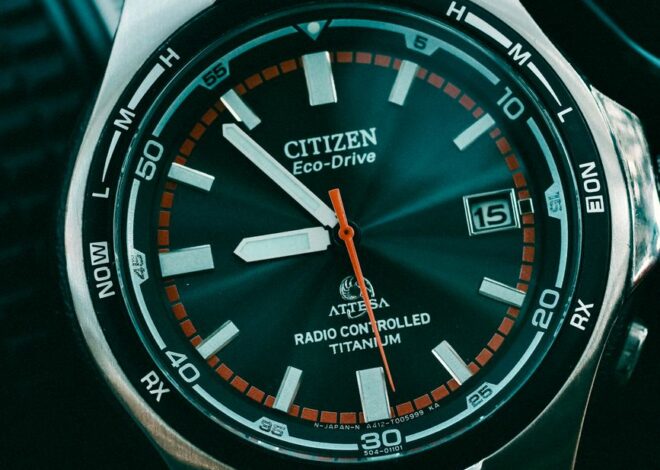
- Jewelry and watches. Lightweight, hypoallergenic, and able to be anodized for color, titanium offers a modern look with durability.
- Sports equipment and bicycles. Titanium frames and components offer durability and ride comfort, though at premium prices.
- Camping cookware and utensils. Titanium mug and pot sets are prized for lightness, though raw thermal performance for cooking differs from steel and aluminum.
- Chemical processing. Corrosion resistance at moderate temperatures makes titanium useful for exchangers and piping in some plants.
Why titanium is more expensive than many alternatives
Three practical reasons explain the premium price:
- Complex production. Extracting titanium metal from ore requires high temperatures, reducing agents, and vacuum handling to avoid contamination.
- Specialized processing. Melting, welding, and machining need inert atmospheres and specialized tools.
- Limited supply chain scale. Compared with steel and aluminum, there is less global volume and fewer low-cost production routes, keeping per-unit cost higher.
Common misconceptions about titanium
- Titanium is indestructible. False. It is durable and corrosion-resistant, but it can scratch, wear, corrode under extreme chemical conditions, and fail under fatigue.
- All titanium is the same. False. Commercially pure titanium and alloys behave very differently. Grade and heat treatment matter.
- Titanium is always hypoallergenic. Mostly true for metallic titanium, but coatings or alloying elements could introduce sensitivities in rare cases.
- Titanium is always lighter than alternatives. False. It is lighter than steel but heavier than aluminum. The real advantage is strength-to-weight.
Practical takeaways: what to remember about what titanium is made of
- Titanium is an element. The metal used in products is either commercially pure titanium or an alloy with controlled amounts of other metals.
- Alloying elements like aluminum, vanadium, molybdenum, and zirconium change strength, formability, and temperature behavior, so the grade matters for your product choice.
- Titanium resists corrosion and is biocompatible, but it is not immune to attack from specific chemicals like fluoride at high temperatures.
- Manufacturing titanium requires special processes, which increases cost and sometimes limits repair options for consumers.
- For everyday items pick titanium for weight-sensitive, high-value products where durability and corrosion resistance matter enough to pay more.
Frequently asked questions
Is titanium pure metal or an alloy?
Both. Pure titanium (commercially pure grades) exists and is used where corrosion resistance and formability are priorities. Many products use titanium alloys, which add elements like aluminum and vanadium to increase strength and change other properties.
What metals are commonly mixed with titanium?
Common alloying elements include aluminum, vanadium, molybdenum, tin, and zirconium. Those elements are usually present in single-digit percentages and are chosen to tune strength, toughness, and heat tolerance.
Is titanium safe for jewelry and body contact?
Yes. Metallic titanium is widely used in watches and implants because it is generally inert and biocompatible. Most people do not have allergic reactions to titanium. If a piece is coated or plated, check the coating material for potential allergens.
Why does titanium cost more than steel or aluminum?
Titanium extraction and refining require energy-intensive, controlled processes such as the Kroll process and vacuum melting. Machining and welding are more demanding, which increases production cost for finished parts.
Can titanium rust?
Titanium does not rust like iron. It forms a thin protective oxide layer that prevents the kind of red rust you see on steel. Under extreme chemical or thermal conditions the oxide layer can be compromised, so titanium is not universally impervious.
Is titanium better than stainless steel for cookware?
It depends. Titanium cookware is much lighter, which is great for backpacking. Stainless steel cooks more evenly and is usually less expensive. Pure titanium pots also have different heat transfer behavior, so many camping cook sets use titanium for weight and stainless steel for stove-top cooking performance.
How can I prevent titanium fasteners from seizing?
Use anti-galling lubricants, apply a thin film of appropriate anti-seize compound, or use dissimilar metals for the nut and bolt. Proper torque control and lubrication are the most practical ways to avoid galling.
Is titanium recyclable?
Yes. Titanium scrap and swarf can be recycled and are commonly re-melted to make new ingots. Recycling helps reduce cost and environmental impact, but primary production remains energy intensive.
Titanium is more than a trendy material name. It is a specific element with well-defined behavior, and the way it is alloyed and processed determines how it performs in your watch, ring, pot, or bike frame. When you choose a titanium product, look for the grade or alloy information, think about the trade-offs between weight, strength, and cost, and follow simple care steps like using anti-galling lubricants on threads and avoiding harsh fluoride-based cleaners on stressed parts.