Why Is Titanium So Lightweight? Density, Atomic Structure and Strength Explained
Ever picked up a titanium camping mug or seen a titanium watch and wondered why the metal feels so light compared with the steel versions? Or do you wonder whether titanium is actually the lightest metal available, or why it costs more if it is so light? Those are the practical questions people ask when they notice titanium parts in gear, jewelry, or tools.
Quick answer: why is titanium so lightweight
Titanium is relatively lightweight because its atomic structure and crystal arrangement make it significantly less dense than common steels, while many titanium alloys keep that lower density while offering high strength. That combination gives titanium a high strength to weight ratio, which makes parts made from titanium lighter than comparable steel parts that must be thicker to reach the same strength. Titanium is not the lightest metal overall; aluminum and magnesium are lighter by density, but they usually require different design trade offs.
For buyers wondering about price differences, see Why is Titanium So Expensive? for a clear cost breakdown.
How density and strength explain “lightweight”
When people say a metal is lightweight, they usually mean two related things. First, the material’s density, which is mass per unit volume, and second, the strength that density delivers for a part of a given size. A low-density metal makes a part lighter, but if the metal is weak, the part must be made thicker to handle loads. Titanium sits in a useful middle ground: its density is lower than steel, and its strength is high compared with many metals, so titanium parts can be both light and strong.
What density actually measures
Density is a simple number: mass divided by volume. For metals, density describes how heavy a block of a fixed size will be. Common densities are:
| Material | Typical density (g/cm3) | Why it matters |
|---|---|---|
| Titanium (commercially pure) | ~4.51 | About half the density of steel, which helps parts be lighter for the same volume |
| Ti-6Al-4V (Grade 5) | ~4.43 | Alloying changes density slightly while boosting strength |
| Stainless steel (typical) | ~7.8 | Much denser, so steel parts need less thickness but weigh more for the same strength in many cases |
| Aluminum (6061) | ~2.70 | Much lighter than titanium, but softer and less strong per volume |
| Magnesium | ~1.74 | One of the lightest structural metals, but has other limitations like corrosion and lower strength |
That table shows titanium is markedly less dense than steel, but heavier than aluminium and magnesium.
Strength to weight, explained simply
Titanium often wins where strength to weight matters. Strength to weight, sometimes called specific strength, compares how strong a metal is relative to its density. If you need a part that is both strong and light, titanium can allow a thinner, lighter component that still holds up under load. That is why airplanes, some bicycle frames, and high-end camping hardware use titanium even though aluminum is lighter on paper.
Why titanium has lower density
To understand why titanium is lighter than steel, it helps to think about atoms. Density depends on how much mass sits in a given volume, which in turn depends on two things: the mass of the atoms and how closely those atoms pack together.
Atomic weight and element position
Titanium atoms are lighter than iron atoms that make up steel. Titanium is element number 22 on the periodic table and has a lower atomic mass than iron, which reduces the mass of a given volume when compared atom for atom. That is one part of the reason titanium’s density is lower than steel’s.
Crystal structure and packing
Titanium’s atoms arrange themselves in crystal structures that are not as tightly packed as the body centered cubic or face centered cubic structures of some steels. At room temperature, commercially used titanium has a hexagonal close packed structure that changes to a different arrangement at higher temperatures. That crystal arrangement affects how much empty space exists between atoms and contributes to overall density.
Alloying affects density only a little
Additions such as aluminum and vanadium in alloys like Ti-6Al-4V change density slightly, but the effect is smaller than the effect on mechanical strength. Alloying boosts strength and performance while keeping density in the same general range, which is why aerospace alloys are attractive for weight-critical parts.
How “lightweight” shows up in everyday products
Understanding how density and strength interact explains why titanium is chosen for certain consumer products and not others. Here are common categories where titanium’s lightweight nature matters.
Camping gear and cookware
Titanium cookware and mugs are popular with ultralight backpackers because they let users carry less weight without sacrificing durability. A titanium pot wall can be thinner than steel while remaining strong. That thinner wall reduces packed weight, but titanium cookware is usually more expensive than aluminum or stainless steel options.
Watches and jewelry
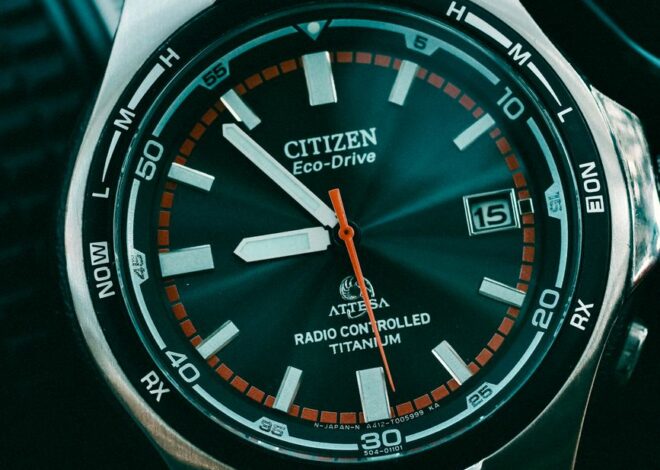
Titanium watches and rings feel lighter on the wrist than steel pieces. The metal resists corrosion, which helps watches and jewelry keep looking good without heavy polishing or plating. Titanium can be anodized to create colors without paints or coatings, which makes it useful for jewelry design.
Bicycles and sporting goods
High-end bike frames and components sometimes use titanium because it gives good fatigue resistance and a favorable strength to weight ratio. Aluminum and carbon fiber dominate other segments, but titanium is chosen where riders want a strong, comfortable frame that does not weigh as much as steel frames of similar strength.
Aerospace and medical implants
Aircraft components and medical implants take advantage of titanium’s balance of light weight, strength, and corrosion resistance. Lighter parts save fuel in aircraft, and titanium’s biocompatibility makes it suitable for implants. Those are industrial examples rather than everyday purchases, but they point to why titanium’s lightweight nature is valuable.
Titanium grades and how they affect weight and strength
Not all titanium is identical. Different grades change strength, ductility, corrosion resistance, and sometimes density. For most consumer purposes, a few grades are the most relevant.
| Grade | Composition | Typical uses | Notes |
|---|---|---|---|
| Grade 1 | Commercially pure titanium, highest ductility | Chemical processing, marine fittings, some jewelry | Lowest strength of cp grades, excellent corrosion resistance |
| Grade 2 | Most common commercially pure titanium | General industrial parts, tubing, cookware | Good balance of strength and corrosion resistance |
| Grade 5 (Ti-6Al-4V) | Titanium with 6% aluminum and 4% vanadium | Aerospace, high-strength components, medical implants | Much higher strength than cp titanium, slightly lower density than cp titanium |
| Grade 9 (Ti-3Al-2.5V) | Alpha-beta alloy | Bicycle frames, tubing | Good formability and strength, used where weldability is important |
| Grade 23 (Ti-6Al-4V ELI) | Extra low interstitial version of Grade 5 | Medical implants | Improved fracture toughness for implants |
For weight-conscious consumers, Ti-6Al-4V is common in hobbyist titanium tools and some cookware because it gives a better strength to weight trade off, even though it costs more than commercially pure grades.
Manufacturing and how choices affect final part weight
How a titanium part is made influences its weight and whether titanium is the sensible choice. Design, manufacturing method, and finishing all matter.
Forging, milling, and additive manufacturing
Titanium can be forged, machined, or 3D printed. Additive manufacturing lets designers reduce weight through internal lattice structures and topology optimization. Those designs might use less material while keeping strength where it is needed. Forging and milling produce denser, solid components that may be simpler to design and inspect.
Thinner sections save weight but add cost
Because titanium is strong, designers can make thinner walls for a given load. However, thinner sections often require more precise manufacturing and careful heat treatment. That precision adds cost. For example, a titanium pot with very thin walls saves ounces for backpackers but is more expensive to produce than a thicker stainless steel pot.
Surface treatments and finishes
Anodizing creates colored oxide layers and changes appearance without adding much mass. Polishing and bead blasting remove material but do not significantly change weight. Platings and coatings add small amounts of mass but often provide functional benefits such as scratch resistance or reduced friction.
Cost, supply chain, and why titanium items are pricier
Titanium’s perceived lightweight advantage comes with cost consequences. Extracting and refining titanium is energy intensive, and that affects price.
Why titanium extraction is expensive
Titanium does not occur as a free metal in nature. It is found in minerals such as rutile and ilmenite. Converting those ores into usable titanium metal requires multiple chemical steps and significant energy. The conventional Kroll process, which reduces titanium tetrachloride with magnesium, is time consuming and relatively expensive. Those upstream costs carry through to the final product.
Processing difficulties add cost
Titanium is difficult to machine compared with steel and aluminum. It does not conduct heat as well, which concentrates heat in cutting tools and wears them out faster. That means slower machining speeds, more expensive tooling, and sometimes additional finishing steps. Those manufacturing realities push up cost per part.
When the price is worth it
Titanium’s premium makes sense when weight savings, corrosion resistance, or biocompatibility create value that cheaper materials cannot match. For an ultralight backpacker the weight saved may justify the higher price. For aircraft or medical implants the performance and regulatory needs justify the expense for manufacturers.
Common misconceptions about titanium being “lightweight”
Several myths circulate about titanium. Clear answers help when you are deciding between titanium, aluminum, or steel.
- Myth: Titanium is the lightest metal.
Fact: Titanium is not the lightest. Aluminum and magnesium are lighter by density. Titanium is lighter than steel but heavier than aluminum. - Myth: Titanium is always lighter than the alternative for the same part.
Fact: That depends on design. A well-engineered aluminum or carbon fiber part may be lighter than a titanium one, depending on strength needs and geometry. - Myth: Titanium never needs maintenance.
Fact: Titanium is highly corrosion resistant, but it can scratch, discolor from heat, and accumulate grime. Some maintenance is still useful to keep parts looking and performing well. - Myth: Titanium is always stronger than steel.
Fact: Many steels are stronger by absolute numbers. Titanium’s advantage is often strength per unit weight, not absolute strength.
Safety and handling considerations specific to titanium
Titanium is safe to touch and is widely used in medical implants. Still, certain safety issues are worth noting if you handle titanium powders, shavings, or do high-temperature work.
- Powders and fine shavings can be reactive. Titanium powder is flammable in air and can ignite when exposed to sparks or high heat. Shops that handle titanium powder must follow strict measures to prevent ignition.
- Machining requires attention to chips. Long, hot chips from cutting can pose fire hazards. Proper coolant and chip control help manage the risk.
- Titanium parts are biocompatible. Titanium is widely used for body implants and is generally nonallergenic for most people. That makes it a good choice for piercings, dental implants, and orthopedics.
Durability, corrosion, and maintenance
Titanium forms a thin oxide film on the surface that protects it against corrosion. That passive layer is a major reason titanium is used in marine, chemical, and medical environments.
How the oxide layer helps
The oxide layer forms naturally when titanium is exposed to air. It prevents oxygen and moisture from continuing to react with the metal, minimizing rust and corrosion. Unlike painted or plated coatings, the oxide layer repairs itself if scratched under many conditions, which helps longevity.
Everyday care for titanium items
- Clean with warm water, mild soap, and a soft cloth for routine maintenance.
- Avoid using strong acids or harsh caustic cleaners on decorative finishes unless the product instructions permit it.
- Anodized colors can fade with abrasive cleaning; use gentle cleaners to preserve appearance.
- For scratched jewelry, professional polishing can restore a finish without removing significant material.
When titanium is the right choice and when it is not
Deciding whether titanium is the best material depends on how you weigh weight savings, cost, durability, and other product needs.
Choose titanium when
- You need a high strength to weight ratio, such as aircraft parts or some bike components.
- Corrosion resistance matters, for example in marine fittings or chemical processing equipment.
- Biocompatibility is required, like medical implants.
- You want a premium feel with a light weight and long-term corrosion resistance, such as in watches or jewelry.
Choose other materials when
- Cost is the primary constraint, and a cheaper material will do the job, such as cookware for everyday home use.
- Extreme lightness at minimal cost is the priority, where aluminum or magnesium might be better options for non-critical parts.
- Manufacturing simplicity and low tooling costs matter; steel and aluminum are often easier and cheaper to machine in volume.
Practical takeaways for buyers and makers
Translating the technical background into real world choices helps when you are buying or designing gear.
- Compare parts by function, not just material. Look at the complete part design. A titanium part designed for strength may be thinner and lighter than a steel counterpart, but a differently designed aluminum part could be lighter still.
- Expect to pay more for titanium. That extra cost buys metal extraction, finishing, and machining complexities, along with long-term benefits such as corrosion resistance.
- Think about lifetime value. If you need a product that will last in harsh environments or remain biocompatible, titanium’s higher initial cost may be offset by lower maintenance and longer service life.
- Watch for powder and fine chip hazards. If you work with titanium in a home shop, follow safety practices to avoid dust accumulation and ignition sources.
- Use anodizing for color, not paint. Anodizing gives durable color without covering up titanium’s corrosion resistance.
Common comparisons: titanium versus steel and aluminum
People often compare titanium with stainless steel and aluminum because those are common alternatives. The right choice depends on priorities.
| Property | Titanium | Stainless steel | Aluminum |
|---|---|---|---|
| Density | ~4.5 g/cm3 | ~7.8 g/cm3 | ~2.7 g/cm3 |
| Strength to weight | High | Moderate | Low to moderate |
| Corrosion resistance | Very good | Good, depends on alloy | Moderate, needs protection in some environments |
| Cost | High | Low to moderate | Low to moderate |
| Machinability | Challenging | Easy to moderate | Easy |
Manufacturing challenges that affect design and weight
Designers must account for how titanium behaves during fabrication. Those realities influence the final weight and cost of a part.
Thermal conductivity and machining
Titanium conducts heat poorly compared with steel and aluminum. During machining, heat concentrates at the cutting tool and the cut surface. That requires slower feeds, better tool materials, and often more time. The result is higher manufacturing cost for precision lightweight parts.
Welding and joining
Titanium requires careful welding practices to avoid contamination and embrittlement. Welds must be protected from oxygen and nitrogen during the process, which raises complexity and cost. Good welds let designers produce complex, light structures, but the joining process is not as simple as with steel or aluminum.
Surface finishing and aesthetic choices
Titanium accepts anodizing well, which adds color via controlled oxide thickness. That is a lightweight way to add color and personality to a product. Traditional plating or painting can also be used, but painting hides titanium’s natural benefit of corrosion resistance and long-term appearance.
Common questions people search about titanium weight
The FAQ below answers direct questions people typically type into search engines.
FAQ
- Is titanium lighter than steel? Yes. Titanium has about half the density of steel, so a part of the same volume will weigh less. Because titanium is stronger per unit weight, designers can often use thinner sections to get the same performance, which reduces weight further.
- Is titanium lighter than aluminum? No. Aluminum and magnesium are lighter by density. Titanium is heavier than aluminum, but titanium is much stronger in many alloy forms, so titanium parts can be thinner for comparable strength.
- Why does titanium cost more than other metals? Titanium extraction and processing are energy intensive and require specialized steps. Machining and welding titanium adds manufacturing cost. Those upstream and processing costs make titanium parts pricier than steel or aluminum equivalents.
- Can titanium be made into extremely thin items? Yes. Titanium sheets and foils can be made very thin and are used where lightweight and corrosion resistance matter. Ultra thin titanium requires careful handling and processing but is used in medical and aerospace applications.
- Is titanium safe for food and drink? Yes. Titanium is food safe and used for cookware and water bottles. It does not leach harmful metals into food under normal use, and it resists corrosion during cleaning and exposure to water.
- Will titanium rust? No, titanium does not rust like iron. It forms a protective oxide that prevents ongoing corrosion, so it is suitable for wet or salty environments where steel would corrode.
- Are titanium parts good for long term use? Yes. Titanium’s corrosion resistance and fatigue properties can make it very long lasting, which is one reason it is chosen for high-cost, long-life applications such as aircraft parts and implants.
- Do titanium items feel different? Yes. Titanium items often feel lighter than they look and can have a particular tactile quality. That is part of why titanium is popular in watches and carry gear.
Final practical advice
If you are choosing between materials, start by deciding what matters most: absolute lightness, strength to weight, cost, corrosion resistance, or appearance. If you want the lightest possible option at the lowest cost and can accept lower strength or corrosion protection, aluminum or magnesium may be better. If you need a balance of light weight and long term performance, titanium is a strong choice despite the higher price. For parts that must resist corrosion, be biocompatible, or carry loads with minimal mass, titanium often makes the most sense.
When you see titanium on a product label, remember it usually means the maker designed for a balance of lightness and strength, and accepted higher material and manufacturing costs to get that result.