Does Titanium Scratch Easily? Causes, Comparison & Protection
You notice a faint line on your titanium watch or a scuff on a titanium camping mug and wonder whether that metal is supposed to behave that way. Scratches are one of the most common complaints about titanium items. The important question is not whether titanium scratches at all but how easily it does, what kind of damage to expect, and whether that damage matters for the product you own.
Quick answer
Short answer: Yes, titanium can scratch, but how easily depends on the alloy and the surface finish. Pure commercial titanium is softer than many hardened steels but harder than aluminum. Stronger titanium alloys are more scratch resistant than pure titanium, and surface treatments such as PVD or hard coatings improve scratch resistance. For most consumer products scratches are cosmetic rather than structural.
How scratching actually works and why it matters
Scratching happens when a surface encounters something harder or when repeated abrasion removes or displaces the metal. Two key ideas make this practical rather than academic:
- Relative hardness: A material will tend to scratch if it is softer than the thing rubbing it. That is why sand or a steel tool will mark many softer metals.
- Surface condition and finish: A mirror-polished surface shows small marks very clearly. A matte, bead-blasted, or brushed finish hides scuffs better because microtexture breaks up reflections and camouflages fine scratches.
Why that matters. If you care about looks, surface scratches can be frustrating. If you care about structural performance, most scratches on titanium consumer gear are superficial and do not reduce corrosion resistance or strength in a meaningful way for normal use.
Why titanium scratches differently from other metals
Titanium behaves a little differently than steel or aluminum when damaged. A few practical points explain the difference:
- Plastic deformation: Titanium tends to deform and smear at the surface rather than chip off like some harder, brittle materials. That can make scratches look dull or cause tiny raised edges that catch the eye.
- Oxide layer: Titanium forms a thin protective oxide on the surface almost immediately when exposed to air. That oxide helps corrosion resistance but does not make the surface much harder at the scale that prevents scratching.
- Alloying and processing matter: Alloyed and heat-treated titanium parts can be significantly harder than commercially pure titanium. That changes scratch behavior substantially.
How titanium compares to stainless steel and aluminum
People often ask whether titanium is more scratch-resistant than stainless steel or aluminum. The short, practical comparisons below help when choosing materials for gear.
For cookware decisions, consider Titanium vs Stainless Steel Cookware for comparisons of durability and scratch behavior.
| Property | Titanium (consumer grades) | Stainless steel (common grades) | Aluminum (common alloys) |
|---|---|---|---|
| Scratch resistance (typical) | Moderate. Pure titanium can scratch easily; stronger alloys resist scratching better. | Variable. Soft stainless like 304 can scratch, but hardened or treated stainless is often harder than titanium. | Low. Aluminum is softer and usually shows scratches much more easily. |
| Visibility of scratches | High on polished finishes, lower on matte or bead-blasted finishes. | Polished steel also shows scratches but can be polished out easily. | Very visible. Scratches often leave bright raw metal contrasts. |
| Corrosion after scratching | Excellent resistance. Titanium quickly reforms oxide and rarely corrodes after a scratch. | Good to excellent, but stainless may rust in damaged or chloride-rich conditions. | Prone to oxidation and pitting in harsh environments. |
| Weight | Lightweight. | Heavier. | Lightest. |
Which titanium grades scratch more easily?
Titanium comes in several commercial grades and many engineering alloys. For consumers, the practical split is between commercially pure (CP) titanium and alloyed grades.
- Commercially pure titanium (CP, grades 1 through 4): These grades are softer and more ductile. They are common in jewelry, watches, and some consumer hardware. Scratches are more likely but often only cosmetic.
- Alloyed titanium (for example Ti-6Al-4V): These alloys have higher strength and higher surface hardness compared with CP titanium. They handle wear and abrasion better and are common in aerospace components, higher-end watch cases, and some performance bike parts.
Choosing between CP and alloyed titanium is a trade-off. Alloyed titanium is tougher against marks but costs more and can be harder to work with in manufacturing. CP titanium keeps weight and corrosion resistance advantages while remaining relatively easy to finish.
How finishes and surface treatments affect scratch resistance and visibility
Surface finish influences both how easily a titanium part actually gets scratched and how obvious those scratches look. Two separate effects are at work: physical resistance and visual camouflage.
Common finishes and what to expect
- Polished (mirror finish): Shows every hairline and contact mark. Scratches are highly visible but also usually easier to buff out.
- Brushed or satin finish: Hides small scratches better than a mirror finish because of directional texture, but deeper marks will still be noticeable.
- Bead-blasted or matte finish: Excellent at hiding wear. Small scratches blend into the textured surface and are less visible.
Anodizing and colored titanium
Anodizing titanium is an electrolytic process that thickens the surface oxide and produces color by changing how light interferes with the oxide layer. Important practical facts:
- Anodizing changes color but does not make the base metal much harder. The surface is still metal and can be scratched by harder objects.
- When anodized titanium is scratched through the oxide layer, the color disappears at the scratch and the raw metal becomes visible. That contrast makes scratches more noticeable on colored or brightly anodized items.
PVD, DLC, and other hard coatings
Physical vapor deposition (PVD) and diamond-like carbon (DLC) coatings deposit a thin, very hard layer on the titanium surface. These coatings significantly improve scratch resistance on the surface level. Considerations:
- Coatings protect the visible surface, but a deep gouge that penetrates the coating will expose the titanium underneath.
- Coated finishes can change color and reflectivity, and coatings can wear off over time in high-friction applications.
Practical examples: how scratches affect different titanium products
The same material behaves differently depending on how it is used. Below are examples readers commonly encounter.
Watches and jewelry
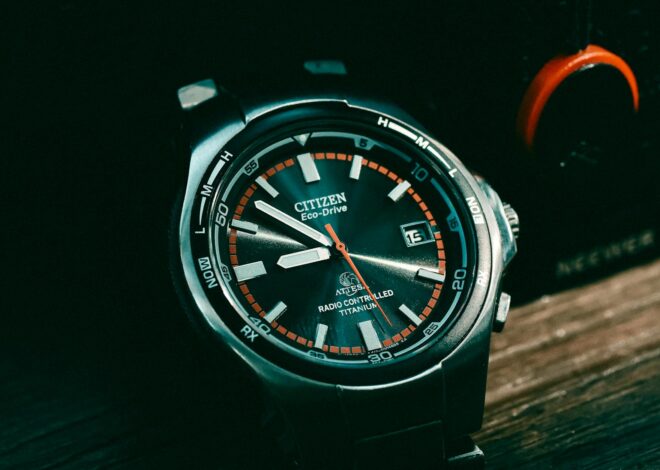
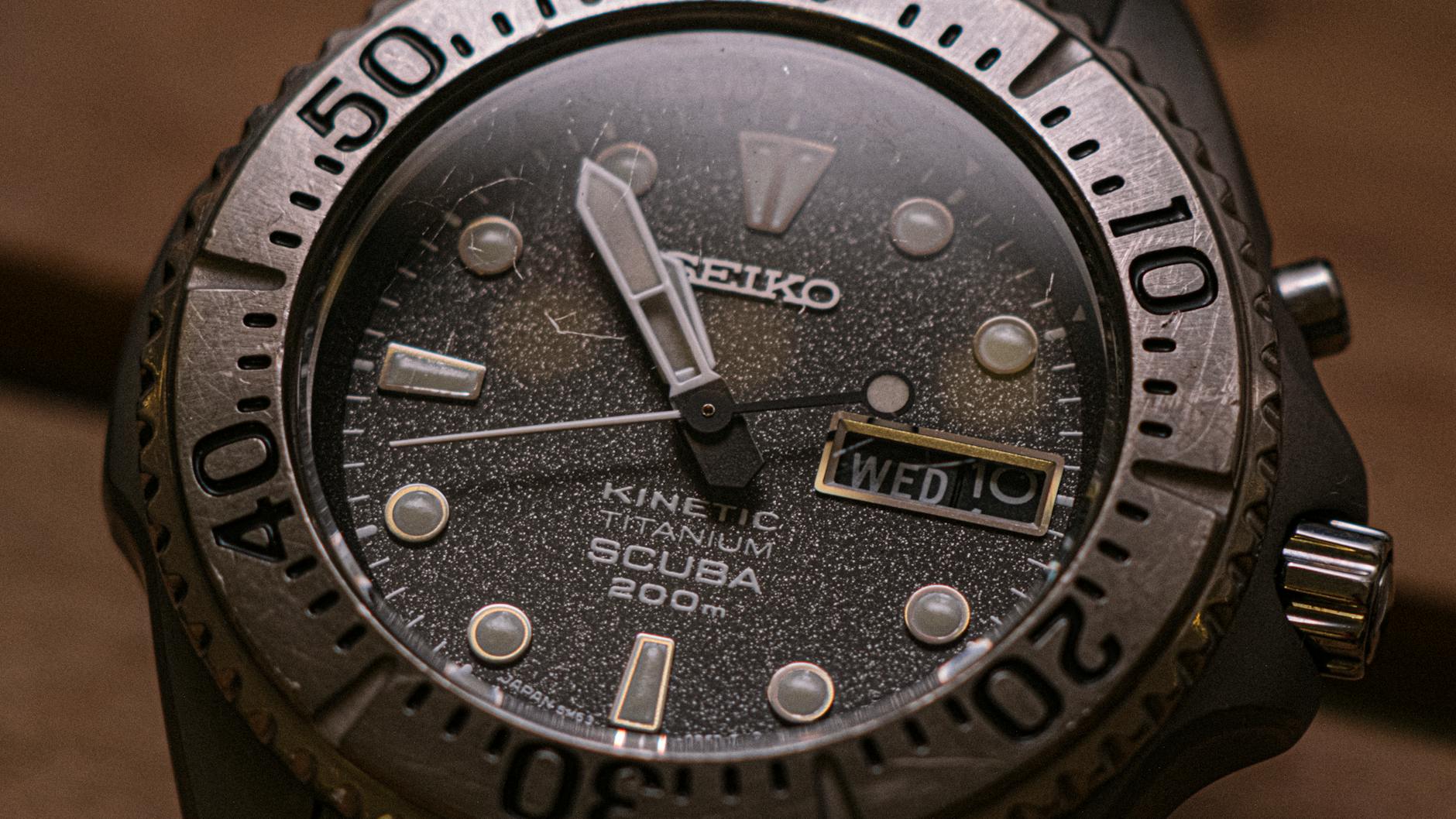
Titanium watches and wedding bands are popular for being light and hypoallergenic. Scratching is the most common user complaint.
- Polished cases and bands: Show hairline scratches quickly. Expect visible wear if you wear the item every day.
- Brushed or bead-blasted finishes: Hide everyday marks well and are a practical choice for items that see frequent contact.
- Anodized colors: Attractive but show scratches as contrasting lines where the oxide is removed.
EDC gear and knives
Titanium is a popular handle material for everyday carry (EDC) items. Handles will scratch from keys, coins, and pocket wear.
- Scratches on handles are usually cosmetic and do not compromise structural integrity.
- For pivot pins, liners, or blade surfaces that require wear resistance, manufacturers often use steel or treat the titanium surface to reduce wear.
Cookware and camping gear
Titanium cookware and cups are prized for light weight and corrosion resistance. Scratches here are mostly cosmetic, but a few practical notes:
- Use of metal utensils will leave marks. If appearance matters, choose a utensil material or finish that is less likely to mark titanium.
- Scratches do not make titanium cookware unsafe to use. Titanium does not rust in the way iron does and it quickly reforms its protective oxide.
Bicycles and frames
Titanium frames resist corrosion and last a long time, but marks from tools, chain slap, or stones can occur.
- Frame finishes can be raw matte to polished. Raw or bead-blasted finishes hide dings and marks better.
- Protect vulnerable areas with clear tape or protective film to prevent cosmetic scratches without affecting performance.
How to prevent scratches
Practical prevention is often the simplest and cheapest approach. The suggestions below are realistic for everyday use.
- Pick the right finish: If you want an item that hides wear, choose a brushed, bead-blasted, or matte finish rather than a mirror polish.
- Use protective storage: Soft pouches, watch rolls, or pockets with separate compartments reduce contact with keys and coins.
- Add protective films: Clear adhesive films are inexpensive and effective on flat surfaces like watch case backs or bike tubes.
- Avoid harder contact: Don not store titanium items with diamond-cut jewelry or hardened steel tools that can easily scratch them.
- Choose coatings when appearance matters: PVD or DLC coatings provide better scratch resistance for visible surfaces, but are not invincible.
How to repair scratches on titanium
Repair options depend on the depth of the scratch and the finish of the item.
Light surface scratches
- For polished pieces, light buffing with a jeweler polishing cloth or a mild metal polish will often remove or reduce fine hairline marks.
- On brushed finishes, use a scotch-brite pad or fine abrasive in the same direction as the original brush to blend the scratch into the finish. Be careful: you can make the mark worse if you work against the grain.
Deeper gouges
- Deep scratches may require sanding with progressively finer grit and then re-finishing. This is best left to a professional if the item is valuable.
- For coated or anodized surfaces, a deep scratch that removes the coating will need re-coating or re-anodizing by a shop that offers that service.
When to seek professional help
If the item is expensive, sentimental, or you are unsure how the finish will respond, a professional jeweler, watchmaker, or metal finisher can advise on repair options and risks.
Common misconceptions about scratches on titanium
- Myth: Titanium never scratches. Fact: Titanium can and does scratch. Its corrosion resistance is excellent, but that is different from scratch resistance.
- Myth: Anodizing protects titanium from scratches. Fact: Anodizing changes color and slightly thickens the oxide but does not prevent scratches from harder materials.
- Myth: All titanium is equally scratch resistant. Fact: Different grades and alloys vary widely in hardness and scratch resistance. Surface finish and coatings also matter more than base alloy in many consumer use cases.
How manufacturers improve scratch resistance
Manufacturers use several practical techniques to make titanium products more durable where it counts:
- Alloy selection: Choosing a stronger titanium alloy for parts expected to see abrasion increases scratch resistance.
- Surface finishing: Brushing, bead blasting, and texturing hide marks. Polishing increases visual appeal but makes scratches more obvious.
- Surface engineering: Applying PVD, DLC, ceramic, or hard anodized finishes improves surface hardness and scratch resistance.
- Design choices: Placing vulnerable hard-contact points in steel or hardened materials while using titanium for larger structural parts keeps weight down and wear resistance up.
When scratches matter and when they do not
Understanding whether a scratch is a real problem or just cosmetic helps make sensible decisions.
- Cosmetic-only: Jewelry, watches, camping cups, plates, and many EDC items. Scratches bother appearance but usually do not compromise performance or safety.
- Potentially important: Interfaces where tight tolerances or moving parts are involved. For example, bearing surfaces, bolt threads, or sealing faces may require attention if scratched because geometry and fit are important.
- Rarely structural: For most consumer-grade titanium in normal use, scratches are not structural failures. High-performance aerospace components have different inspection and maintenance regimes.
How to choose titanium products if scratch resistance matters to you
Buyers should match expectations to the product’s role and finish. Here are practical buying considerations.
- For everyday wear items: Choose brushed or bead-blasted finishes. Accept that a polished look will require more care or occasional refinishing.
- For high-contact gear: Look for items that use coated surfaces, replaceable steel contact points, or alloyed titanium grades rated for higher wear resistance.
- For optics, glasses, and eyewear frames: Seek frames with a matte finish or protective coating to hide minor scuffs from handling.
- For cookware and camping gear: Accept some cosmetic wear if you prioritize weight savings and corrosion resistance.
Practical takeaways
- Titanium can scratch. Expect marks on polished pieces and less visible wear on matte finishes.
- Alloyed titanium is generally more scratch resistant than commercially pure titanium, but cost and manufacturing trade-offs exist.
- Surface finish affects how visible scratches are more than the base metal in many consumer uses.
- Anodizing changes color but does not prevent scratches. Hard coatings such as PVD or DLC add useful protection.
- Most scratches on consumer titanium products are cosmetic and do not affect corrosion resistance or safety.
- Preventive care, protective films, and choosing the right finish are inexpensive ways to reduce visible wear.
Frequently asked questions
Does anodizing stop titanium from scratching?
No. Anodizing changes the oxide layer thickness and color but does not significantly increase resistance to scratches from harder objects. Scratches through the anodized layer will reveal raw metal and can look more obvious because the color is removed.
Can scratched titanium rust or corrode?
Unlikely. Titanium forms a protective oxide layer naturally, even after a scratch. Unlike iron or steel, scratched titanium will typically not rust. In very aggressive chemical conditions you should follow manufacturer care guidance, but for everyday use corrosion after scratching is rarely a concern.
Will a polished titanium watch case show scratches more than a stainless steel one?
Yes, a mirror-polished titanium case will show hairline scratches readily, similar to polished stainless steel. The visibility depends on finish and how the item is worn. A brushed or matte titanium case will hide wear better than polished steel in many situations.
How do I remove scratches from titanium?
For light scratches, a polishing cloth or fine metal polish can reduce visibility on polished surfaces. For brushed finishes, carefully re-brushing with a fine abrasive in the original direction will blend scratches. Deep gouges are best handled by professional refinishing because aggressive sanding can change dimensions and appearance.
Are coatings like PVD or DLC worth it for scratch resistance?
Yes. Hard coatings add surface hardness and improve scratch resistance for visible areas. They are not indestructible, and a deep impact can penetrate the coating. Coatings change color and feel, so weigh appearance versus durability when choosing them.
Which titanium grade is best if I want fewer scratches?
Stronger alloyed grades such as common aerospace alloys handle abrasion better than commercially pure titanium. If you want the best practical scratch resistance, look for products that specify an alloyed grade or that use hard surface treatments. Remember that finish and coatings are as important as the alloy itself for appearance and wear performance.
Do titanium knife blades scratch glass or steel?
Titanium blades are usually softer than hardened steels and glass. They can scratch softer materials but will not reliably scratch hardened glass. For knife performance, steel remains the common material for cutting edges because of edge retention and hardness.
Is scratched titanium dangerous or weakened?
For normal consumer use, no. Scratches are typically cosmetic. If the scratched area is part of a critical sealing surface, a fastener thread, or a precision fit, then inspection or repair may be necessary. For most jewelry, watches, cookware, and camping items, a scratch does not make the piece unsafe.
Choosing titanium means accepting some trade-offs. You get a lightweight, corrosion-resistant metal that can be fairly durable, but you should pick the right finish and treatment for your priorities. If appearance is critical, favor brushed or blasted finishes and consider protective coatings. If handling and mechanical wear are the main concern, look for alloyed titanium or parts where titanium is combined with hardened steels at contact points.