Can Titanium Break? Causes, Real-World Failure Modes, and How to Prevent It
Have you ever handled a titanium item and wondered whether it can actually break? Maybe you dropped a titanium water bottle, saw a hairline crack in a watch lug, or heard that aircraft parts can fail. Titanium has a reputation for being nearly indestructible. That reputation is partly deserved, but like every material, titanium has limits. Understanding how and when titanium can break helps you choose the right product and avoid surprises.
Quick answer: can titanium break?
Yes. Titanium can break. It is strong and corrosion resistant, but it is not unbreakable. Whether a titanium part breaks depends on the alloy and grade, how it was made, the type of load (impact, bending, or repeated stress), and the environment. In many everyday uses, titanium performs better than alternatives because of its high strength-to-weight ratio and resistance to corrosion, but it can fail from fatigue, overload, improper manufacturing or damage from certain environments.
Why this matters
If you are choosing a titanium product—jewelry, a bike frame, camping cookware, a watch case, or an EDC tool, you want realistic expectations. Knowing how titanium fails tells you which grades are right for a use, what maintenance to do, and what abuse to avoid. The rest of this article explains the mechanics behind titanium failure, real-world examples, comparisons with other metals, and practical guidance for buying and caring for titanium items.
Questions about skin reactions and daily wear durability are covered in Titanium Jewelry Safe, which explains benefits and precautions.
How titanium behaves as a material
Titanium’s appeal comes from a mix of properties that affect how and when it breaks. Here are the main ones in plain language.
Strength and strength-to-weight
Titanium alloys are strong for their weight. That means a part can be lighter and still carry a lot of load. For example, Ti-6Al-4V, the most common titanium alloy, is often used where weight and strength both matter. Strength helps resist immediate failure under heavy loads, but it does not guarantee that a component will survive repeated or poorly applied loads.
Toughness and ductility
Toughness is the ability to absorb energy before breaking. Titanium alloys generally have good toughness compared with many high-strength steels and far better toughness than ceramics. Ductility is how much a material can deform plastically before fracturing. Some titanium grades and heat treatments reduce ductility in favor of higher static strength. That trade-off matters because less ductile materials can crack suddenly rather than bending first.
Fatigue resistance
Fatigue is failure from repeated stresses that are below the material’s ultimate strength. Titanium shows good fatigue resistance in many applications, but like any metal, it can develop cracks over time under cyclic loading. Surface condition, notches, welds, and stress concentrations strongly influence fatigue life. That is why small scratches or poor weld finishes are often the starting points for cracks.
Corrosion resistance
Titanium forms a thin oxide layer on its surface that protects it from most common types of corrosion. That makes it excellent for water bottles, marine use, and chemical environments where stainless steel might corrode. However, corrosion resistance is not absolute. Under some conditions, such as hot concentrated halide environments or specific manufacturing exposures, titanium can suffer localized corrosion or corrosion-assisted cracking.
Density and stiffness
Titanium is lighter than steel but stiffer than aluminum in many alloys. That stiffness affects how parts flex under load. In designs that rely on controlled flexibility, stiffness matters. Overly rigid designs can transfer stress to joints or small features, creating stress concentrations where cracks start.
How titanium breaks: basic failure modes
Understanding the typical failure modes helps explain why a titanium piece might crack in one case but survive in another.
Ductile fracture
Ductile fracture happens when the material yields and stretches before breaking. A ductile titanium part will bend or deform noticeably before a final break. This kind of failure provides visible warning because you can see the deformation first.
Brittle fracture
Brittle fracture happens with little deformation. Some titanium alloys at low temperatures or after improper processing can become less ductile and more brittle. Brittle fractures are sudden and can be dangerous, because they give little or no visual warning.
Fatigue cracking
Fatigue starts with a small crack that grows incrementally under cyclic loads. The crack often begins at a surface defect, scratch, sharp corner, or weld toe. Over time the crack propagates and eventually causes the part to fail. Many real-world titanium failures, especially in high-cycle uses like aircraft or bicycle components, trace back to fatigue.
Stress-corrosion cracking and corrosion-assisted failures
Under specific chemical environments combined with tensile stress, a material can fail more quickly than expected. Titanium is resistant to many forms of corrosion, but stress-corrosion cracking can occur in aggressive chloride environments at elevated temperatures or when hydrogen embrittlement happens. These failures are relatively uncommon for everyday consumer use but can be a concern in industrial or chemical-plant settings.
Impact and overload
High-energy impacts, such as a heavy drop onto a corner or a blunt strike, can fracture titanium. The part’s geometry and how the force is transmitted matter a lot. Thicker sections and rounded shapes distribute forces better than thin sections and sharp corners.
Which titanium grades are more likely to break?
Not all titanium is the same. Commercially pure titanium and titanium alloys have different properties that change how they fail. The table below summarizes common grades and the practical differences for durability.
| Grade | Typical composition / notes | Relative strength | Common uses | Durability notes |
|---|---|---|---|---|
| CP Titanium (Grades 1–4) | Nearly pure titanium, increasing oxygen/iron with higher grade | Low to moderate | Corrosion-resistant parts, jewelry, cookware, medical | Very corrosion resistant and ductile, but lower ultimate strength; bends before breaking |
| Ti-6Al-4V (Grade 5) | Titanium alloy with 6% aluminum, 4% vanadium | High | Aerospace, sporting goods, bike frames, implants | High strength and good toughness; can be sensitive to processing and fatigue if not finished or welded properly |
| Beta and near-beta alloys | Higher alloying to increase strength | Very high | Specialized structural parts | Higher strength but sometimes lower ductility; design and heat treatment critical |
How this matters: for everyday items like jewelry and cookware, commercially pure titanium is common because it is highly corrosion resistant and forgiving. For load-bearing uses such as bike frames or aircraft parts, alloys like Ti-6Al-4V are chosen for strength, but they require careful manufacturing and finishing to avoid fatigue-related breaks.
Common real-world failure scenarios
These examples show how the failure modes appear in everyday products and what to look for.
Bicycle frames and components
Titanium frames are prized for ride quality and resistance to corrosion. When they fail, it is usually due to fatigue originating at welds or stress concentrations where the frame geometry creates high local stress. Proper design, good welding practice, and smooth transitions at joints reduce this risk. Small surface scratches or dents on highly stressed tubes can shorten fatigue life.
Watches and jewelry
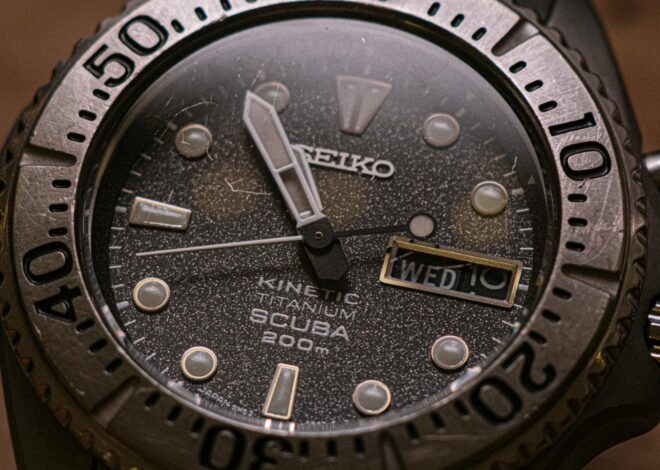
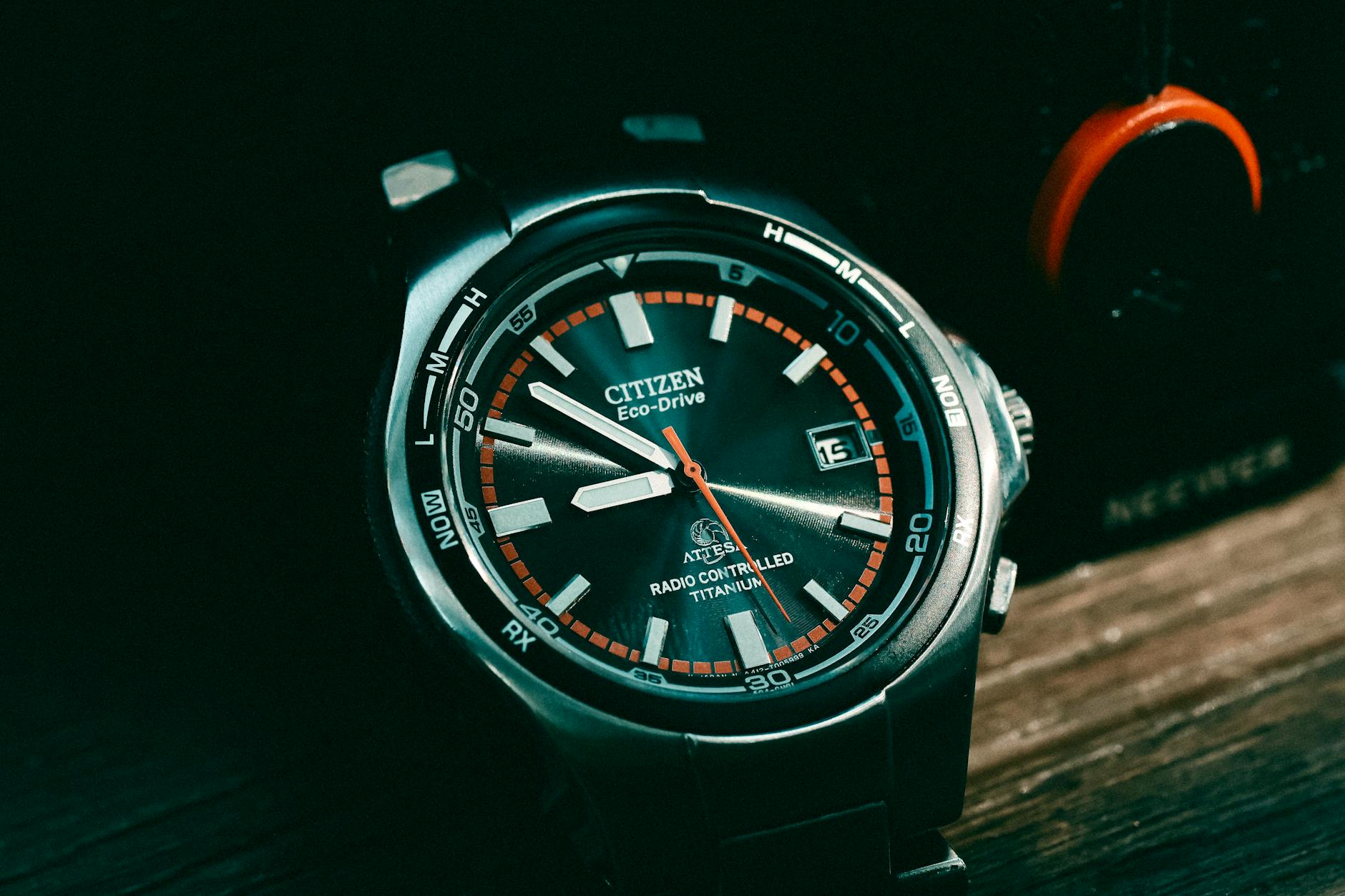
Watch cases, lugs, and rings are generally safe from structural failure during normal use. Breaks are rare, but tiny cracks can develop at thin features or where machining creates sharp corners. Dents and severe impacts can cause fractures in thin or hollow parts.
EDC tools and knives
Titanium is used in handles, liners, and some knife blades. As a blade material it is softer than high-carbon steels and can chip or blunt rather than holding a razor edge. In handles, cracks can start at pivot holes, liners, or areas that see repeated bending. Poorly heat-treated alloy blades or thin sections are more likely to fail under heavy use.
Camping cookware and utensils
Titanium pots and utensils are lightweight and corrosion resistant. They will not usually break under normal camping use, but very thin-walled items can dent or develop fatigue cracks where mounted or stressed repeatedly. High heat with concentrated loads, such as supporting heavy pots with thin handles, can cause deformation.
Aircraft and industrial parts
Failure in critical aerospace parts is rare but well-studied. When it occurs, it often stems from manufacturing defects, improper heat treatment, or unexpected fatigue conditions. Aerospace applications use strict inspection, design margins, and maintenance schedules to manage fatigue and crack growth.
Manufacturing and processing factors that affect brittleness and breakage
How titanium is made and finished has a big impact on whether it will break in service.
Welding
Welding changes microstructure and can introduce residual stresses. For many titanium alloys, shielding the weld from oxygen and nitrogen is crucial; otherwise the weld zone can become embrittled. Proper post-weld heat treatment and finishing can restore ductility and reduce crack risk.
Heat treatment and cold working
Heat treatment and work hardening control the balance of strength and toughness. Over-aging or improper heat treatment can reduce toughness and make the material more brittle. Cold work increases strength but can also create stress concentrations if not relieved.
Surface finish and machining
Sharp corners, notches, or machining marks act as stress risers where cracks start. Smooth finishes, rounded transitions, and shot-peening can improve fatigue life by reducing stress concentrations and introducing compressive surface stress.
Impurities and inclusions
Foreign particles, porosity from casting or additive manufacturing, or contamination in processing can create initiation sites for cracks. High-integrity manufacturing controls and inspection help prevent these defects.
Environmental factors that make titanium more likely to break
Some environments raise the risk that titanium will fail prematurely.
- High temperatures: Elevated temperatures change material properties and can accelerate oxidation or corrosive attack in aggressive environments.
- Aggressive halide-containing environments: Chloride-rich environments at high temperature can increase the risk of localized corrosion or stress-corrosion cracking in certain situations.
- Hydrogen exposure: Hydrogen can cause embrittlement in some titanium alloys after certain manufacturing or chemical exposures. Controls during processing and service reduce this risk.
- Cyclic mechanical loads: Repeated flexing or vibration increases fatigue crack initiation and growth.
- Surface damage: Scratches, dents, or machining marks concentrate stress and shorten fatigue life.
How to spot damage before it becomes a break
Early detection is key to preventing a small issue from turning into a complete failure.
- Visual inspection: Look for hairline cracks, unusual gaps, changes in fit, or new sharp edges. Inspect areas around welds, bolts, and thin sections.
- Surface feel: Run your finger along edges and joints for roughness or burrs that could grow into cracks.
- Performance changes: A sudden change in how a product performs, such as a bike making new creaks or a folding knife developing play, might indicate a developing crack.
- Professional inspection: For critical components, non-destructive tests such as dye-penetrant inspection, magnetic particle inspection (limited use with titanium), ultrasonic testing, or X-ray can locate subsurface flaws.
Comparing titanium with stainless steel and aluminum
Here is a practical comparison to help with product decisions.
| Property | Titanium | Stainless steel | Aluminum |
|---|---|---|---|
| Strength-to-weight | High | Lower than titanium (heavier for same strength) | Lower strength, lighter but needs larger sections |
| Corrosion resistance | Excellent in most environments | Very good, but can rust in chloride environments | Good, but susceptible to pitting and galvanic corrosion with dissimilar metals |
| Fatigue | Good, sensitive to surface condition | Good, but heavier | Acceptable in many uses, but lower endurance limit |
| Cost | Generally higher | Lower | Lower to moderate |
| Repairability | Welding and repair require care and expertise | Easier to weld and repair | Easy to machine; welding manageable |
Practical takeaway: titanium often gives the best combination of light weight and corrosion resistance, but stainless steel may be a better choice where cost and ease of repair matter. Aluminum can be cheaper and lighter but usually requires thicker sections for equivalent strength.
Maintenance and care to reduce the chance of breakage
Good care extends the life of titanium items and reduces failure risk.
- Avoid sharp impacts: Don’t drop or strike thin-walled or finely detailed titanium parts on hard surfaces.
- Keep surfaces smooth: Remove burrs, grit, or stuck particles that can create stress risers. Use gentle cleaning to avoid abrasive damage.
- Avoid aggressive chemical exposure: Household use is fine, but avoid exposing titanium parts to strong acids, chlorides at high temperature, or uncontrolled hydrogen-producing environments.
- Mind dissimilar metals: When joining titanium with stainless steel or aluminum, consider galvanic corrosion and use insulating layers if needed.
- Proper welding and repair: Only qualified professionals should weld critical titanium components, with controlled atmosphere shielding and appropriate post-weld treatments.
- Periodic inspection: Check high-stress areas, welds, and mounting points for signs of cracking, loosening, or deformation.
Common misconceptions
Several myths about titanium lead people to over- or under-estimate its capabilities.
- Myth: Titanium never cracks. Fact: Titanium can crack under fatigue, impact, or corrosive conditions. It is more resistant than many metals but not immune.
- Myth: All titanium is the same. Fact: Grades vary widely. Commercially pure titanium behaves differently from high-strength alloys like Ti-6Al-4V.
- Myth: Titanium can be repaired easily like steel. Fact: Welding and repairs require special procedures and expertise to avoid embrittlement and residual stress.
- Myth: Titanium is always the best material choice. Fact: Titanium is excellent where weight and corrosion resistance matter, but stainless steel or aluminum may be better for cost, stiffness, or ease of manufacturing.
Practical decisions: what to choose and when
Here are simple rules of thumb for common purchases and situations.
- Jewelry and watches: Titanium is an excellent choice because it is lightweight, hypoallergenic, and corrosion resistant. Choose designs without extremely thin features if you need durability under impact.
- Camping cookware and bottles: Titanium is great for weight savings and durability. Avoid extremely thin-walled utensils under heavy loads. They are unlikely to break in normal use.
- Bike frames and sporting goods: Titanium frames offer long life and a comfortable ride, but inspect welds and choose reputable builders. For aggressive racing or heavy impacts, consider how the frame geometry distributes stress.
- EDC tools and knives: Titanium handles and liners are durable, but titanium blades have different failure modes than hardened steel blades. Use titanium blades for corrosion resistance and lighter weight, not for heavy chopping.
- Structural or safety-critical parts: For aircraft or critical components, follow certified materials and inspection standards. Titanium is widely used, but design and maintenance are essential to avoid fatigue failures.
FAQ
Can titanium shatter like glass?
Not under normal conditions. Titanium is a metal and behaves very differently from brittle ceramics or glass. It will bend and deform before it shatters in many cases. However, certain poorly processed alloys or highly embrittled zones can behave in a brittle manner and fail suddenly.
Is titanium stronger than steel?
Strength depends on the specific steel and titanium alloy. Titanium alloys like Ti-6Al-4V can reach high strengths comparable to some steels while being much lighter. However, steel can be stronger in absolute terms if you compare high-strength steels, and steel often offers better stiffness for the same cross-sectional size.
Will titanium rust?
Titanium does not rust because rust is iron oxide. Titanium forms a stable oxide layer that protects it from most corrosion. That makes titanium an excellent choice for marine or humid environments where steel might corrode.
Can hydrogen make titanium brittle?
Yes, hydrogen embrittlement can affect titanium under certain conditions, particularly during some manufacturing processes or exposures that introduce hydrogen into the metal. Proper processing and avoiding hydrogen-producing environments during service reduce that risk.
How do I know if a crack is dangerous?
Small surface scratches or hairline marks are often cosmetic, but cracks near welds, mounting holes, or thin sections where loads concentrate are more worrying. If the component is safety-critical, stop using it and have it inspected professionally. For consumer items, look for changes in fit or function and monitor any visible cracks closely.
Can I weld or repair titanium at home?
Welding titanium requires a controlled atmosphere to prevent contamination from oxygen and nitrogen, and for many alloys, a professional post-weld heat treatment may be required. For structural or safety-critical repairs, use a qualified repair shop. Small cosmetic repairs are possible by skilled hobbyists with proper equipment and procedures, but avoid improvisation.
Will a dent in a titanium bottle weaken it?
A shallow dent is usually cosmetic and does not always indicate imminent failure, but deep dents that cause local thinning or stress concentration can reduce fatigue life. Inspect dents near seams or handles carefully and avoid using dented pressure-containing items if safety is a concern.
How long do titanium parts last?
With normal use and proper maintenance, titanium parts can last many years, often longer than comparable steel or aluminum parts because of corrosion resistance. Fatigue life depends on design and loading. Well-designed and well-made titanium products often last for decades in consumer use.
Practical takeaways
- Titanium can break, but it is resilient. Expect excellent corrosion resistance and good fatigue behavior, but not absolute immunity to damage.
- Choose the right grade for the job. Commercially pure titanium is great for corrosion resistance and ductility in jewelry and cookware. High-strength alloys suit load-bearing applications but require careful manufacturing.
- Inspect high-stress areas. Check welds, thin sections, corners, and mounting points; these are where cracks start.
- Avoid improper repairs. Welding and heat treatment matter. Use qualified professionals for critical parts.
- Maintain surface condition. Smooth finishes, rounded edges, and avoiding scratches improve fatigue life.
- Understand trade-offs. Titanium is lighter and more corrosion resistant than steel, but it is more expensive and needs careful processing to avoid fatigue or embrittlement issues.
Final practical insight
Titanium offers a compelling combination of light weight, corrosion resistance, and strength, which is why it shows up in watches, camping gear, bikes, and aerospace parts. It is not indestructible. Most failures occur when a design, manufacturing flaw, or exposure to an unexpected environment concentrates stress or reduces toughness. For everyday consumer items, titanium is very durable and unlikely to “just break” in normal use. For critical load-bearing parts, choose reputable manufacturers, inspect regularly, and follow recommended maintenance. Knowing how titanium can fail helps you decide when it is the right material and how to care for it so it keeps working for years.