Can Titanium Corrode? Causes, Risk Factors, and Protection Tips
People often hear that titanium never corrodes. That idea gets repeated because titanium is unusually resistant compared with many common metals. Still, “never” is a strong word. If you are choosing titanium for a watch, camping cookware, a bicycle frame, or a seawater service part, you probably want a straightforward answer: can titanium corrode, and if so, when should you worry?
Quick answer
Yes, titanium can corrode, but it resists corrosion far better than most common metals. Titanium forms a very thin, stable oxide layer naturally. That oxide layer protects the metal in most environments people run into daily, including air, freshwater, and many acids. Corrosion can occur, however, under specific conditions such as high concentrations of fluoride or chlorides, certain reducing acids, poorly designed crevices, galvanic contact with dissimilar metals in aggressive environments, and at elevated temperatures. For most consumer uses like cookware, jewelry, watches, and camping gear, titanium is effectively corrosion-proof. For critical industrial uses the details of design, alloy, and chemistry matter.
If you need cookware recommendations for outdoors, consult Titanium vs Stainless Steel Cookware for corrosion and weight comparisons.
How corrosion works and why titanium behaves differently
Put simply, corrosion is the chemical reaction between a metal and its environment that changes the metal and weakens it. For many metals, that reaction keeps progressing until the metal is noticeably eaten away or structurally compromised.
Titanium behaves differently because it forms a thin, tightly bound oxide film on its surface as soon as it meets oxygen. That film is called a passive layer. The passive layer is only a few nanometers thick, but it is dense and self-healing. If scratched in the presence of oxygen, the layer reforms quickly and continues to protect the underlying metal.
Why this matters: a passive surface stops corrosion from spreading. That is why titanium is commonly chosen where long-term exposure to water, air, or many chemicals is expected. The self-healing oxide makes titanium perform much like stainless steel in many conditions, but the chemistry and limits differ in important ways.
Which types of corrosion can affect titanium
Titanium is not immune. The most relevant forms of corrosion to understand are:
- Uniform corrosion. General surface attack across the part. Rare for titanium in ordinary environments because the oxide layer prevents widespread reaction.
- Pitting corrosion. Localized pit formation usually linked to aggressive anions such as chloride under certain conditions. Titanium is much less prone to pitting than stainless steel, but it can happen in stagnant seawater or chemically aggressive chloride solutions when other factors are present.
- Crevice corrosion. Occurs in tight gaps, under gaskets, or inside deposits where flow is poor and chemistry becomes locally aggressive. Titanium resists crevice corrosion well, but poor design can create vulnerable spots.
- Galvanic corrosion. Happens when titanium contacts another, more anodic or cathodic metal in an electrolyte. Titanium is often cathodic to many metals, so it can accelerate corrosion of the other metal while remaining mostly intact. The problem for titanium systems is usually dissimilar-metal attack of the partner metal or localized conditions that defeat the oxide film.
- Stress-corrosion cracking. A combination of tensile stress and a specific corrosive environment. Titanium is less susceptible than many alloys, but certain chloride-rich or acidic environments can promote cracking under stress.
- Hydrogen embrittlement. Under certain conditions hydrogen atoms can enter the metal and make it brittle. This is a concern for high-strength titanium alloys in some chemical processes, particularly where atomic hydrogen or cathodic charging is present.
- Chemical attack by fluorides and hydrofluoric acid. Titanium is vulnerable to attack by fluoride ions under some conditions, and hydrofluoric acid will aggressively attack titanium. This is a common exception mentioned in industrial references.
Which titanium alloys resist corrosion best
Not all titanium grades are identical. Commercially pure titanium (CP-Ti) grades generally offer the best corrosion resistance. Alloying elements such as aluminum and vanadium increase strength but can reduce corrosion resistance in certain environments. Below is a simple comparison table to help you relate grades to typical uses.
| Grade | Common composition and notes | Corrosion resistance | Typical consumer/industrial uses |
|---|---|---|---|
| Grade 1 (CP) | Very pure, lowest strength | Excellent, best of CP grades | Chemical processing, marine fittings, forming |
| Grade 2 (CP) | Most widely used CP grade | Excellent, good balance of formability and corrosion resistance | Cookware, water bottles, marine hardware |
| Grade 3 (CP) | Higher strength than Grade 2 | Very good | Applications needing slightly higher strength |
| Grade 4 (CP) | Highest strength of CP grades | Very good, slightly less corrosion resistance than Grade 1 | Dental, medical instruments, high-stress components |
| Grade 5 (Ti-6Al-4V) | Titanium alloy with aluminum and vanadium | Good general resistance, strength improved. Watch for specific chemical limits | Aerospace parts, bicycle frames, some watches |
Why choice of grade matters
If your priority is pure corrosion resistance in a chemically aggressive service, pick a CP grade. If strength and weight are more important, an alloy such as Ti-6Al-4V is common. For consumer items like camping cookware and watches, Grade 2 and Grade 5 are typical because they balance corrosion resistance, strength, and manufacturability.
Environments where titanium performs very well
Titanium shines in many real-world situations:
- Air and general outdoor exposure. The oxide layer is stable and prevents visible corrosion.
- Fresh and most seawater exposures when the design avoids stagnant crevices and deposits. Titanium is used in desalination plants, heat exchangers, and offshore hardware because it resists seawater corrosion better than most steels.
- Many acids and oxidizing media at moderate concentrations. Titanium often holds up where stainless steel would corrode.
- Food and beverage contact applications, including cookware and vessels, because it does not leach harmful ions and has good resistance to most food acids.
Environments and conditions that can cause titanium corrosion
Knowing the exceptions is the practical part. These are situations to watch for:
- Fluoride-containing environments. Fluoride ions and especially hydrofluoric acid can attack the oxide film and the titanium metal. Even low levels of fluoride can be problematic at elevated temperature or when other stressors are present.
- Strong reducing acids. Some high-concentration reducing acids can overcome passivity and cause attack. The risk varies by concentration, temperature, and alloy.
- Localized stagnant conditions. Crevices, deposits, and marine fouling can create micro-environments where oxygen supply is limited and local chemistry becomes aggressive. That can lead to crevice corrosion or pitting.
- Exposure to certain chlorinated environments at elevated temperatures. While titanium tolerates chloride better than many metals, aggressive chloride chemistries combined with heat and stress can lead to problems.
- Dissimilar metal contact in electrolytes. When titanium is paired electrically with other metals in an electrolyte, galvanic effects and local breakdown of the passive layer can occur on the less noble metal or under certain conditions affect titanium.
Real-world examples and applications
Seeing how titanium is used makes the risks and benefits clearer.
Cookware and camping gear
Titanium cookware and bottles are popular because they are light, durable, and do not corrode in normal food and drink use. You can use them with acidic foods, and routine cleaning is enough to keep them in good condition. Avoid exposing titanium cookware to concentrated chemical cleaners or industrial-strength descalers. For camping gear, abrasion and scratching are typical concerns for finish, but not for corrosion in ordinary outdoor environments.
Watches and jewelry
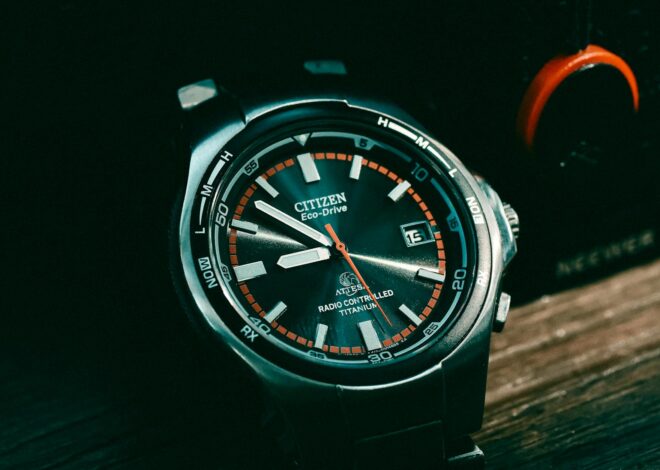
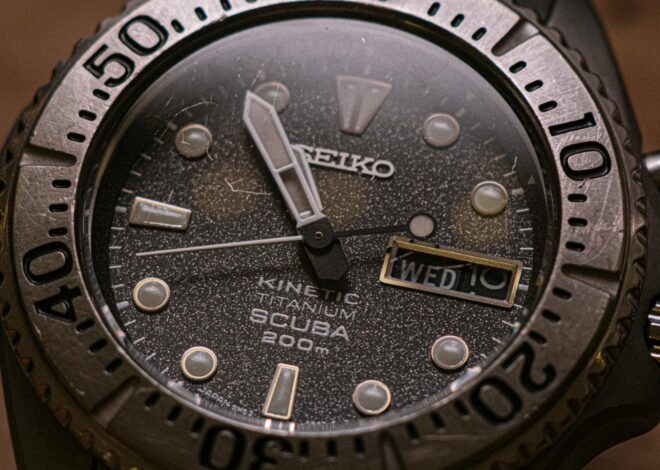
Titanium is a common material for watches and rings because it resists tarnishing and stays attractive. Titanium jewelry is biocompatible and resists sweat and most personal-care products. If a wearer uses topical fluoride treatments or swims in heavily chlorinated pools frequently, inspect for finish wear, but corrosion is unlikely for standard consumer use.
Marine and desalination
Titanium is a standard choice for seawater heat exchangers and desalination equipment because it resists long-term sea exposure. The engineering around flow, deposits, and mating metals is critical. Poorly designed crevices or bimetallic contacts can create trouble despite titanium’s natural resistance.
Aerospace and medical
Aerospace components use high-strength titanium alloys for their strength-to-weight ratio and resistance to oxidation at elevated temperatures. Medical implants use CP grades because of excellent biocompatibility and corrosion resistance in the body. In both cases the material’s finish, manufacturing process, and inspection regime are tightly controlled to prevent rare corrosion-related failures.
Manufacturing and design factors that affect corrosion resistance
The way titanium is made, joined, and finished affects how well it resists corrosion:
- Welding and heat tint. Welding forms oxidation coloration called heat tint, which represents changes in the oxide layer and can be less protective until properly cleaned or passivated. Post-weld cleaning and pickling are common in industrial parts.
- Surface finish. Smooth, polished surfaces reduce places where deposits can collect and reduce the risk of localized attack. Rough surfaces can trap contaminants.
- Crevice-prone designs. Bolted joints, gaskets, and lap joints need careful design to avoid stagnant pockets where local chemistry changes.
- Alloy selection. Choosing CP-Ti grades over alloys for corrosive chemical exposure usually improves resistance. For mechanical strength needs, alloys are often acceptable with appropriate protective measures.
- Electrochemical potential differences. Avoid pairing titanium directly with metals that will create a strong galvanic couple in the expected service electrolyte. Where unavoidable, use electrical isolation, coatings, or sacrificial anodes tailored to the system.
Maintenance, cleaning, and practical care
For most consumer uses, titanium is low maintenance. Follow these practical tips to keep titanium items corrosion-free and looking good:
- Routine cleaning. Warm water, mild soap, and a soft brush or cloth are sufficient for most items. Rinse and dry after cleaning.
- Avoid harsh chemical exposure. Do not use hydrofluoric acid, concentrated fluorides, or industrial-strength descalers on titanium. Also avoid prolonged contact with strong reducing acids or concentrated bleach solutions at elevated temperatures.
- Watch out for galvanic contact. If titanium is stored or used directly against more active metals in the presence of moisture, consider insulating materials such as nylon washers or coatings to prevent electrical contact.
- Inspect crevices and joints. For hardware and marine gear, periodically inspect fasteners, gaskets, and joints for deposits and clean as needed to prevent localized aggressive chemistry.
- Polish and protect finishes. For jewelry and watches, occasional polishing keeps the finish attractive. Avoid aggressive abrasive polishing that removes too much material or damages surface geometry.
Cleaning agents: recommended and to avoid
| Use | Examples | Notes |
|---|---|---|
| Safe | Mild dish soap, warm water, isopropyl alcohol, non-abrasive metal polish | Good for routine cleaning and finishes |
| Use with caution | Sodium hypochlorite (dilute household bleach), chlorinated pool water | Short exposures are usually fine, but avoid high concentration, heat, or long contact times; rinse thoroughly |
| Avoid | Hydrofluoric acid, concentrated fluoride salts, strong reducing acids, aggressive industrial descalers | Can damage titanium rapidly. Keep away from consumer products that contain HF |
Detecting corrosion and when to worry
Because titanium seldom shows obvious surface deterioration in everyday settings, detection is usually straightforward. Look for:
- Discoloration or unusual staining that does not rub off. Heat tint from welding can appear as colors, but corrosion-related staining may look different and be localized.
- Pitting or small localized holes on the surface. These are signs of localized attack and should be addressed.
- Structural changes such as cracks, especially in stressed components. Cracking with no obvious mechanical cause might indicate stress-corrosion processes.
- Unexpected metal loss. Any measurable thinning or perforation deserves investigation.
For critical components in industrial or medical use, use scheduled inspections, non-destructive testing, and materials traceability practices to catch issues early. For consumer goods, visual inspection and routine cleaning are usually adequate.
Common misconceptions about titanium and corrosion
- Titanium never corrodes. Not true. It resists corrosion exceptionally well in many environments, but it can corrode under particular chemical or mechanical conditions.
- Titanium is always the best choice instead of stainless steel. Titanium offers superior resistance in many cases but is more expensive and not universally necessary. Stainless steel can be a better value for non-critical, low-cost items.
- All titanium alloys have identical corrosion resistance. They do not. Commercially pure grades typically resist corrosion better than some high-strength alloys.
- Titanium cannot be welded safely without losing corrosion resistance. Welding requires proper cleaning and post-weld treatment to remove heat tint and restore a protective surface in critical applications. For many consumer uses, typical welding practices are acceptable, but industrial parts follow stricter procedures.
Practical takeaways for different users
Make decisions based on use case rather than marketing claims.
- For cookware, water bottles, and camping gear. Titanium is a safe, low-maintenance choice. Clean with mild soap and avoid harsh industrial chemicals. Titanium will not rust like steel and holds up to acidic foods.
- For watches and jewelry. Titanium is excellent for everyday wear. Avoid abrasive polishes that damage finish and be mindful of prolonged exposure to unusual industrial chemicals.
- For marine hardware. Titanium is an excellent choice when paired with thoughtful design to avoid crevices and galvanic traps. It is common in seawater systems, but proper engineering is essential for long life.
- For industrial chemical service. Check the chemistry carefully. Avoid fluoride and certain reducing acid exposures without engineering controls. Choose the appropriate titanium grade and protective measures.
- For medical implants. Titanium CP grades are widely used and biocompatible. Corrosion in the body is rare but monitored carefully through standards and testing.
Short table: When titanium is the right choice
| Situation | Is titanium a good choice? | Notes |
|---|---|---|
| Lightweight camping cookware | Yes | Great balance of weight, corrosion resistance, and durability |
| Seawater heat exchangers | Often yes | Excellent when designed to avoid deposits and galvanic problems |
| Storage for strong fluorides or HF | No | Fluoride chemistries can attack titanium; choose compatible materials |
| Low-cost general fasteners | Maybe not | Titanium is more expensive than stainless steel; use where long life or light weight justifies cost |
FAQ
1. Can titanium rust?
Rust specifically refers to iron oxides produced when iron or steel corrodes. Titanium does not contain iron, so it cannot rust. It can corrode in other ways under certain conditions, but you will not see rust on titanium.
2. Will titanium corrode in seawater?
Generally no, titanium resists seawater well and is used in marine applications. Corrosion can happen in stagnant areas with deposits or due to poor design or incompatible mating metals. Proper engineering prevents most problems.
3. Can household chemicals damage titanium?
Most household cleaners, soaps, and pool water do not harm titanium. Avoid products containing hydrofluoric acid or concentrated fluoride salts. Also avoid prolonged exposure to aggressive industrial cleaners.
4. Is titanium safe for food and drink?
Yes. Titanium is commonly used for cookware, water bottles, and kitchen tools. It does not react with most foods and is considered food-safe.
5. Does titanium corrode faster than stainless steel?
No. In most corrosive environments titanium outperforms stainless steel, especially in chloride-rich or oxidizing media. For routine non-corrosive uses, both perform well. Cost, strength needs, and manufacturability influence material choice.
6. Can titanium be repassivated if damaged?
Yes. The oxide layer reforms in the presence of oxygen for most surface damage. In industrial settings parts can be chemically passivated or pickled after welding. For consumer scratches the natural passivation from air is usually sufficient.
7. How do I avoid galvanic corrosion with titanium?
Prevent direct electrical contact between titanium and a more noble or dissimilar metal in a wet environment. Use insulating gaskets, coatings, or sacrificial anodes when needed. Design to minimize exposed dissimilar-metal area and avoid crevices.
8. What should I do if I see pitting or discoloration on a titanium part?
For consumer items, clean the area with mild soap and a soft brush. If the defect persists or the part is structural or critical, consult a materials or engineering professional. In industrial contexts schedule inspections and remove deposits, evaluate the local chemistry, and consider replacing affected parts.
Final practical insights
Titanium is one of the most corrosion-resistant materials you can choose for everyday and demanding uses, but it is not invincible. The metal earns its reputation because it forms a stable, self-healing oxide layer that protects it in air, fresh water, many acids, and seawater. The important practical lesson is to match material, grade, and design to the expected environment. For most consumer uses such as cookware, watches, and camping gear titanium requires only basic cleaning and provides decades of trouble-free service. For industrial or chemical service, pay attention to fluoride and reducing chemistries, avoid crevices, manage dissimilar metal contacts, and apply appropriate inspection and maintenance practices.
When you evaluate whether titanium is right for a project, ask these simple questions: what chemicals and temperatures will the part see, is contact with other metals expected, are there crevices or deposits likely to form, and does the extra cost of titanium justify the benefits? Answer those and you will have a practical, reliable approach to deciding when titanium’s corrosion resistance will be an everyday advantage and when additional precautions are needed.