Does Titanium Rust? The Truth About Corrosion, When It Happens, and How to Prevent It
Does titanium rust? That’s the question people ask when they see titanium jewelry, camping cookware, bike frames, or boat fittings and wonder whether those shiny parts will start flaking orange like old steel. The short answer is not the same way steel does, but the fuller story matters if you care about long-term durability, care, or using titanium in harsh environments.
Comparing corrosion behavior and field durability, Titanium vs Stainless Steel Cookware explores practical differences for camping gear maintenance and longevity.
Quick answer
No, titanium does not rust the way iron or steel does. Rust specifically means iron oxides formed when iron or steel corrodes. Titanium forms a different kind of oxide, titanium dioxide, which is thin, strongly adherent, and protective. That oxide layer usually prevents further corrosion, so most titanium products stay intact and functional for a very long time. There are exceptions, however. Certain aggressive chemicals, extremely hot conditions, or specific mechanical situations can damage the oxide layer and allow corrosion to occur.
What people mean by “rust” and why titanium behaves differently
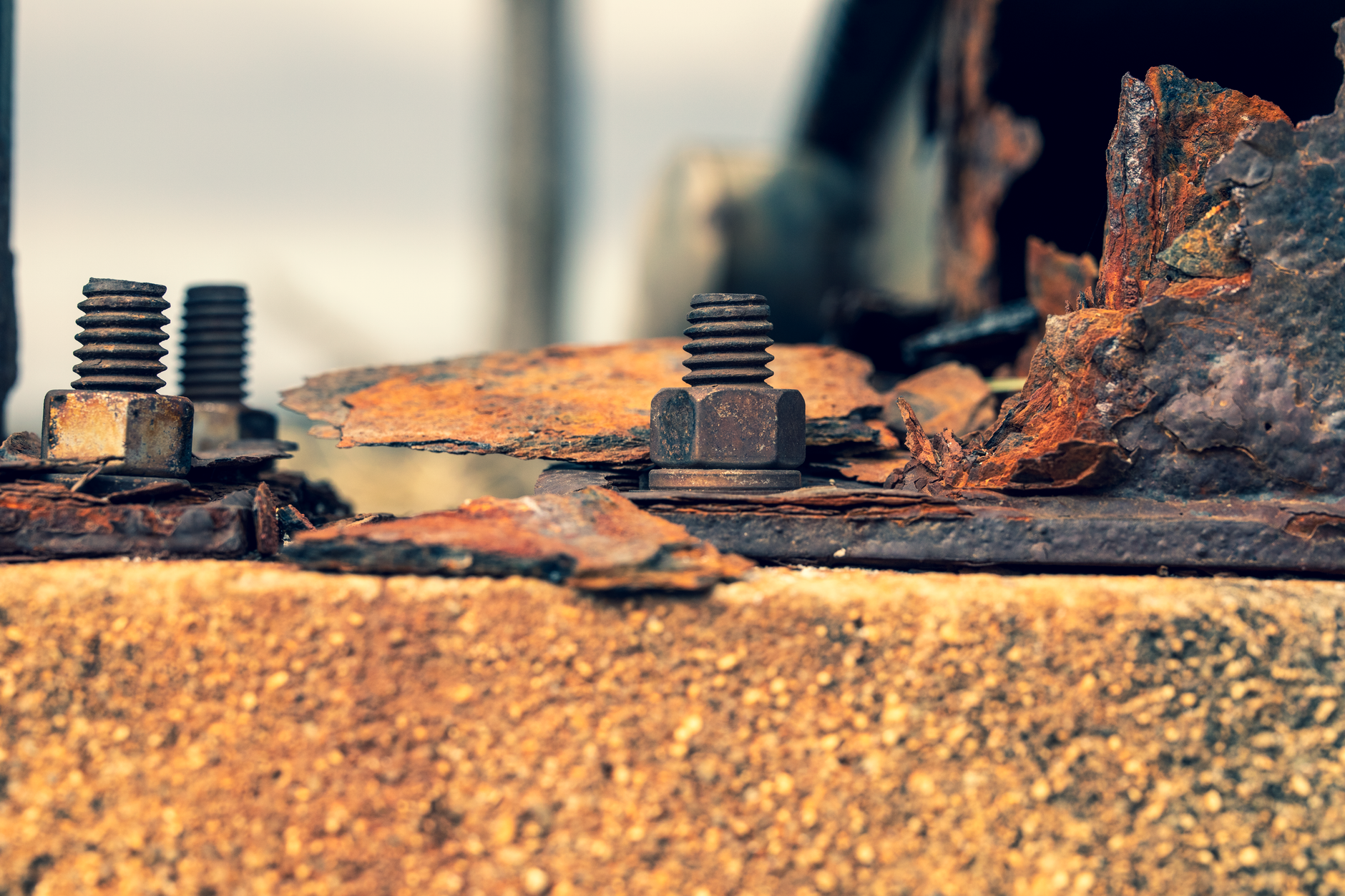
When most people say rust they mean the flaky orange-brown iron oxide produced when steel reacts with oxygen and water. Rust is a problematic, porous scale that keeps the underlying metal exposed and allows corrosion to continue.
Titanium does not contain iron, so it cannot form iron rust. Instead, exposed titanium reacts with oxygen to form titanium dioxide, a compact, tightly bonded film only a few nanometers thick. That film is stable and sticks to the metal. When scratched or disturbed, it re-forms quickly in the presence of oxygen. This process is called passivation, and it is the reason titanium resists corrosion in many environments.
How titanium can corrode, and when you should be concerned
Titanium’s protective oxide layer works in most everyday and industrial settings, but it is not invincible. Corrosion can occur under certain conditions, especially where the oxide film is chemically attacked, mechanically stripped, or where environments create unusual electrochemical behavior.
Environments that can damage titanium
- Strong, aggressive acids and halogens: Some concentrated acids and fluoride-containing compounds can attack titanium. Hydrofluoric acid is a well-known example that can damage oxides on many materials.
- Very high temperatures or molten salts: Elevated temperatures can alter corrosion mechanisms. In some high-temperature, oxidizing environments, the protective layer can change or spall off.
- Reducing environments: If conditions remove oxygen at the metal surface, the oxide layer may not reform effectively and corrosion can proceed.
- Mechanical damage plus corrosive media: Repeated abrasion or cavitation that continuously strips the oxide film can expose fresh metal faster than it can repassivate.
- Galvanic situations with poorly chosen mates: When titanium contacts other metals in an electrolyte, galvanic corrosion can make the less noble metal corrode faster. That usually harms the other metal, not the titanium.
What corrosion on titanium looks like
When titanium corrodes it does not flake orange like iron. Corrosion on titanium often appears as pitting, discoloration, staining, or in severe cases, localized attack that reduces cross-section. With alloys and welded assemblies, corrosion can also show up near welds or crevices where the environment becomes stagnant.
Titanium grades and how resistance varies
Titanium is available in several grades, and corrosion resistance can differ between commercially pure titanium grades and titanium alloys. Below is a simple table that helps connect grades to corrosion behavior and typical uses.
| Grade | Typical composition notes | Corrosion resistance | Common uses |
|---|---|---|---|
| Grade 1 | Commercially pure, highest ductility | Excellent in most environments, very good resistance to corrosion | Chemical processing, seawater fittings, pressure vessels |
| Grade 2 | Most commonly used commercially pure variant | Excellent general corrosion resistance, good strength | Marine hardware, heat exchangers, piping |
| Grade 4 | Stronger commercially pure grade | Very good resistance, chosen when higher strength needed | Aerospace fasteners, medical components |
| Grade 5 (Ti-6Al-4V) | Alloy with aluminum and vanadium | Good corrosion resistance in many environments, stronger than CP grades. Some specialty environments can attack it | Aerospace, medical implants, bike frames |
| Other alloys | Specialty compositions for strength, heat resistance | Variable. Some offer excellent corrosion resistance, others trade resistance for strength or heat properties | High-temperature parts, industrial components |
Why this matters: most consumer titanium items, like cookware and jewelry, use commercially pure grades or Grade 5. For everyday exposure, these perform very well. For specialized corrosive environments, material selection should match service conditions.
Titanium versus stainless steel and aluminum: corrosion comparison
It helps to compare titanium with common alternatives so you can choose the right material for a given use.
| Property | Titanium | Stainless steel | Aluminum |
|---|---|---|---|
| Weight | Light, about 40% lighter than steel | Heavier | Lighter than titanium, but lower strength in many alloys |
| Corrosion resistance (general) | Excellent in many environments due to passive oxide | Very good, but susceptible to pitting in chlorides unless high-alloy grades are used | Good, but forms porous oxides and can corrode in some environments |
| Rust behavior | Will not rust (no iron); resists oxidation | Contains iron so can rust if passive layer fails | No rust, but other forms of corrosion and galvanic issues |
| Cost | Generally most expensive | Usually best value | Lower cost for certain uses |
| Scratch and wear | Hard but scratches show; oxide reforms | Harder grades resist scratching | Soft, shows scratches and wear |
Practical implication: titanium is the top choice when weight plus corrosion resistance is critical, such as marine fittings, aerospace parts, and high-end camping cookware. Stainless steel is usually a better value where weight is less important and cost matters. Aluminum is useful for low-cost, lightweight parts where environments are not extremely corrosive.
Real-world examples and applications
Camping cookware and water bottles
Titanium camping pots, cups, and water bottles are popular because they are light, durable, and resist corrosion from normal food and water. They do not rust like steel cookware. You will see surface discoloration or staining if exposed to high heat or certain foods, but the metal itself remains intact.
Jewelry and watches
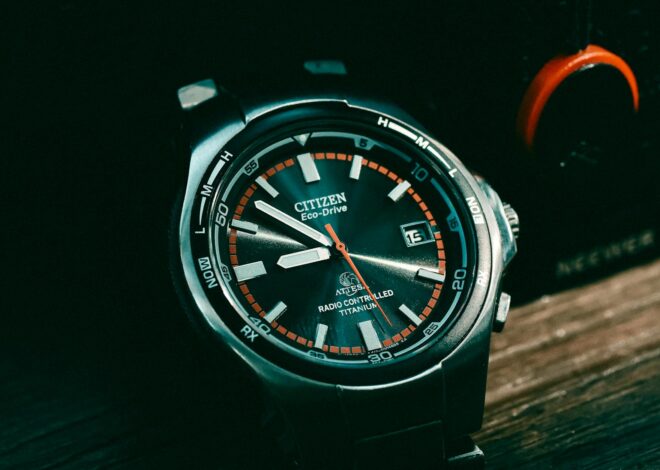
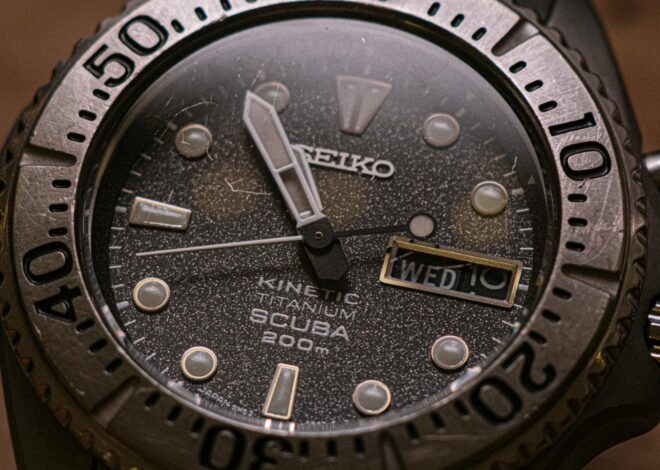
Titanium jewelry and watch cases are prized for being lightweight and hypoallergenic. They will not rust. Cosmetic scratches are possible, but the oxide layer repassivates. Many titanium watches are anodized for color; that anodized layer is controlled oxidation and is stable if not mechanically damaged.
Marine hardware
Titanium is commonly used for prop shafts, fasteners, and fittings in seawater because it resists corrosion there. In most marine service titanium will outlast steel or aluminum. Care must be taken with dissimilar metal contacts—fasteners should be chosen to avoid galvanic corrosion of the other metal.
Medical implants
Titanium alloys are widely used for implants because of their combination of strength, light weight, and biocompatibility. The same oxide layer that prevents corrosion also helps the body accept the metal. Implants are chosen and finished to avoid localized corrosion in the body environment.
Maintenance and cleaning: how to care for titanium items
Titanium products are low maintenance, but sensible care helps keep them looking and performing well.
Everyday cleaning
- Use warm water and mild dish soap, then rinse and dry. This is usually all that’s needed for cookware, bottles, and jewelry.
- For stuck-on food on cookware, soak in warm soapy water and use a non-abrasive pad. Titanium is tough but avoid steel wool; it can leave embedded particles from other metals that may rust and stain the titanium.
- For jewelry, a soft brush with mild detergent cleans crevices. Ultrasonic cleaners are often safe for titanium pieces without delicate stones.
Removing stains or discoloration
Mild acids such as white vinegar can help remove mineral deposits or light heat discoloration. Test on a small area first. Avoid strong acids, hydrofluoric acid, or concentrated caustics. If a surface has deposits from other metals, use a soft non-metallic cleaner to avoid embedding particles.
Avoiding galvanic issues
When titanium is in contact with other metals in saltwater or continuously wet environments, the dissimilar metals can set up galvanic cells. That usually accelerates corrosion of the less noble metal. To avoid problems, use compatible fasteners, insulating washers, or design choices that keep dissimilar metals separate.
Manufacturing, welding, and finishes: factors that affect corrosion resistance
Titanium’s corrosion resistance is partly due to the oxide film that forms on clean surfaces. Manufacturing steps can influence how robust this film is in service.
- Welding: Welding titanium requires shielding the heat-affected zone from oxygen during cooling. If not done correctly, contamination with oxygen, nitrogen, or hydrogen can make welds brittle and change corrosion behavior.
- Surface finishes: Polished or passivated surfaces behave differently than rough or contaminated ones. A clean, smooth finish usually supports a stable oxide layer.
- Contamination: Grinding or cutting titanium with tools previously used on steel can embed iron particles. Those particles can rust later and give the appearance that the titanium is corroding, when in fact the rust is from the embedded steel.
Common misconceptions
- “Titanium never corrodes.” Not true. Titanium is highly corrosion resistant but can corrode under certain aggressive chemical or mechanical conditions.
- “Any discoloration is rust.” Discoloration on titanium is often oxidation coloring or surface staining, not rust. Rust requires iron.
- “Titanium is maintenance free.” It is low maintenance compared to steel but still benefits from cleaning, especially after exposure to harsh chemicals, saltwater, or when used with dissimilar metals.
- “All titanium grades behave the same.” Commercially pure titanium and alloys differ in strength and in how they react to specific environments. Choose the right grade for the job.
Practical signs that something is wrong
You do not need laboratory tests to spot potential problems. Watch for these signs and act accordingly.
- Unexpected pitting or localized attack: Small pits or holes where metal has been removed are a red flag and suggest a corrosive attack beyond normal surface staining.
- Cracking near welds or stressed areas: Cracks indicate mechanical or corrosion fatigue and should be inspected by a professional.
- Embedded particles or surface rust stains: If you see orange-brown staining, it may be rust from embedded iron particles. Cleaning and removing contaminants will usually fix it.
- Loss of mechanical function: For structural parts, any measurable loss of thickness or fit requires inspection and likely replacement.
When titanium is the right choice and when a different material might be better
Titanium is an excellent choice when you need a combination of light weight, strength, and corrosion resistance. Examples include marine hardware, aerospace parts, high-end camping gear, and medical implants.
Choose a different material when cost is the primary concern, where weight is not critical, or where the service environment includes specific chemicals known to attack titanium. Stainless steel often offers a much lower cost with good corrosion resistance for general-use applications. Aluminum can be ideal for extremely lightweight, low-cost parts where corrosive exposure is limited.
Practical takeaways
- Titanium does not rust. It forms a protective titanium dioxide layer rather than iron oxide rust.
- It is highly corrosion resistant, but not immune. Certain aggressive chemicals, extreme temperatures, or mechanical conditions can cause corrosion.
- Maintenance is simple. Regular rinsing, mild soap cleaning, and avoiding contamination from other metals keeps titanium items in good shape.
- Choose the right grade. Commercially pure grades are excellent for corrosion resistance; alloys trade some resistance for strength and other properties.
- Watch for embedded iron. If a titanium surface shows orange-brown stains, test for embedded steel particles before assuming the titanium itself corroded.
Frequently asked questions
Does titanium rust if left outside?
No, titanium will not rust like iron when left outside. It will form and maintain a protective oxide layer. Outdoor exposure to rain, sun, and normal weathering will not cause rust. Long-term exposure to very aggressive environments, such as certain industrial emissions or unusual chemicals, may still cause problems.
Can titanium corrode in seawater?
Titanium is highly resistant to seawater corrosion. That is one reason it is used for marine hardware, prop shafts, and heat exchangers. However, design details matter: crevices, trapped debris, and dissimilar metal contacts can still cause local problems unless addressed.
Will titanium cookware rust?
No, titanium cookware will not rust. It may discolor under high heat or if used with alkaline compounds, but the metal itself does not form iron rust. Clean carefully and avoid abrasive cleaners to keep the finish looking good.
Does titanium jewelry turn colors or corrode?
Titanium jewelry rarely corrodes and is generally hypoallergenic. It can show scratches or surface discoloration, and anodized finishes can wear if abraded. Cleaning with mild soap and a soft cloth keeps it looking new.
Can titanium be anodized, and does that affect corrosion resistance?
Yes, titanium can be anodized by controlled oxidation to produce color without dyes. Anodizing changes the thickness of the surface oxide and creates color through light interference. The process does not generally reduce corrosion resistance; anodized titanium continues to rely on a stable oxide layer.
Is titanium safe for food and medical use?
Yes, commercially pure titanium and many titanium alloys are safe for food and medical applications. Titanium is biocompatible and commonly used in implants, and it does not leach harmful iron rust into food. Properly finished titanium cookware and utensils are safe for food service.
What should I do if I see orange-brown stains on titanium?
Check for embedded iron particles first. Those particles can come from cutting or grinding with steel tools and will rust, causing stains that sit on the titanium surface. Cleaning with a non-abrasive pad and a mild acid like vinegar usually removes those stains. If the metal itself shows pitting or structural loss, consult a professional.
Where to learn more and related topics
Useful follow-up topics include titanium grades and their applications, titanium vs stainless steel for specific uses, titanium cookware care, maintenance of titanium camping gear, and the science behind passivation and anodizing. Those topics help connect the basic corrosion behavior to real-world purchasing and care decisions.
Titanium’s reputation for not rusting is well deserved for most consumer and industrial uses. Understanding the protective oxide layer, the environments that can challenge it, and simple care steps will help you choose and maintain titanium items wisely. When in doubt about a specific application, match the titanium grade and finish to the expected environment, and consult a materials expert for critical structural or chemical exposure cases.