How Titanium Is Mined: From Ilmenite and Rutile to Metal — Methods, Processing and Environmental Impacts
Have you ever wondered where the titanium in your watch, camping pot, or bike frame actually comes from? Most people picture shiny metal pulled straight from the ground, but titanium rarely appears in nature as the pure metal. It arrives at our factories as minerals that need a lot of work before they become the lightweight, corrosion resistant metal people value. Knowing how titanium is mined helps explain why titanium products cost more, why supply chains matter, and what environmental trade offs to expect.
For lightweight camping gear and utensils, consult Titanium Travel Accessories for tested, portable options.
Quick answer: How titanium is mined
Titanium is mined as mineral ores, mainly ilmenite and rutile. Miners extract those ores using heavy-mineral-sand mining, dredging, or hard-rock mining, then concentrate the titanium minerals. The concentrate is processed into titanium dioxide for pigments or upgraded to feedstock for metal production. Industrial titanium metal is produced from intermediate chemicals, most commonly by converting ore to titanium tetrachloride, then reducing it with magnesium in the Kroll process to make titanium sponge. That sponge is melted and worked into ingots and alloys for final products.
Why the mining step matters
Mining is the first link in a long chain that turns common titanium-bearing minerals into aircraft parts, jewelry, and cookware. The type of deposit and how it is mined influence the cost, environmental impact, trace elements in the ore, and the most efficient downstream processing route. For consumers, mining choices affect price, availability, and sometimes the environmental footprint of the finished product.
What minerals hold titanium
Titanium is abundant in Earth’s crust, but it is not typically found as metallic titanium. It is bound inside minerals. The two most important titanium-bearing minerals are:
- Ilmenite (FeTiO3). This is the most common titanium ore. It often comes mixed with iron, which complicates processing but makes large deposits more common.
- Rutile (TiO2). Rutile has higher titanium content by weight and is easier to upgrade to high-purity titanium chemicals. Natural rutile is less common than ilmenite.
Other titanium minerals include leucoxene, perovskite, and titanomagnetite, but ilmenite and rutile are the workhorses of the industry.
Where titanium ores are found
Titanium minerals occur in two broad types of deposits:
- Heavy mineral sand deposits, found along beaches, riverbeds, and coastal plains. These deposits accumulate dense minerals like ilmenite, rutile, zircon, and monazite when wave or river action sorts sediments by density.
- Hard-rock deposits, where ilmenite or titanomagnetite is part of igneous or metamorphic rocks. These deposits are mined like other hard-rock ores.
Significant operations and deposits exist in many regions around the world, particularly where coastal or ancient shoreline sediments concentrated heavy minerals, or where igneous rocks are rich in titanium minerals. Mining methods depend on geology and deposit type.
Common mining methods for titanium-bearing ores
Mining method depends on whether the deposit is near-surface sand or solid rock. Here are the common approaches.
Surface mining of heavy mineral sands
Heavy-mineral-sand deposits are generally near the surface and are mined like other unconsolidated sands. Typical steps include:
- Overburden removal, using bulldozers and excavators to strip vegetation and topsoil.
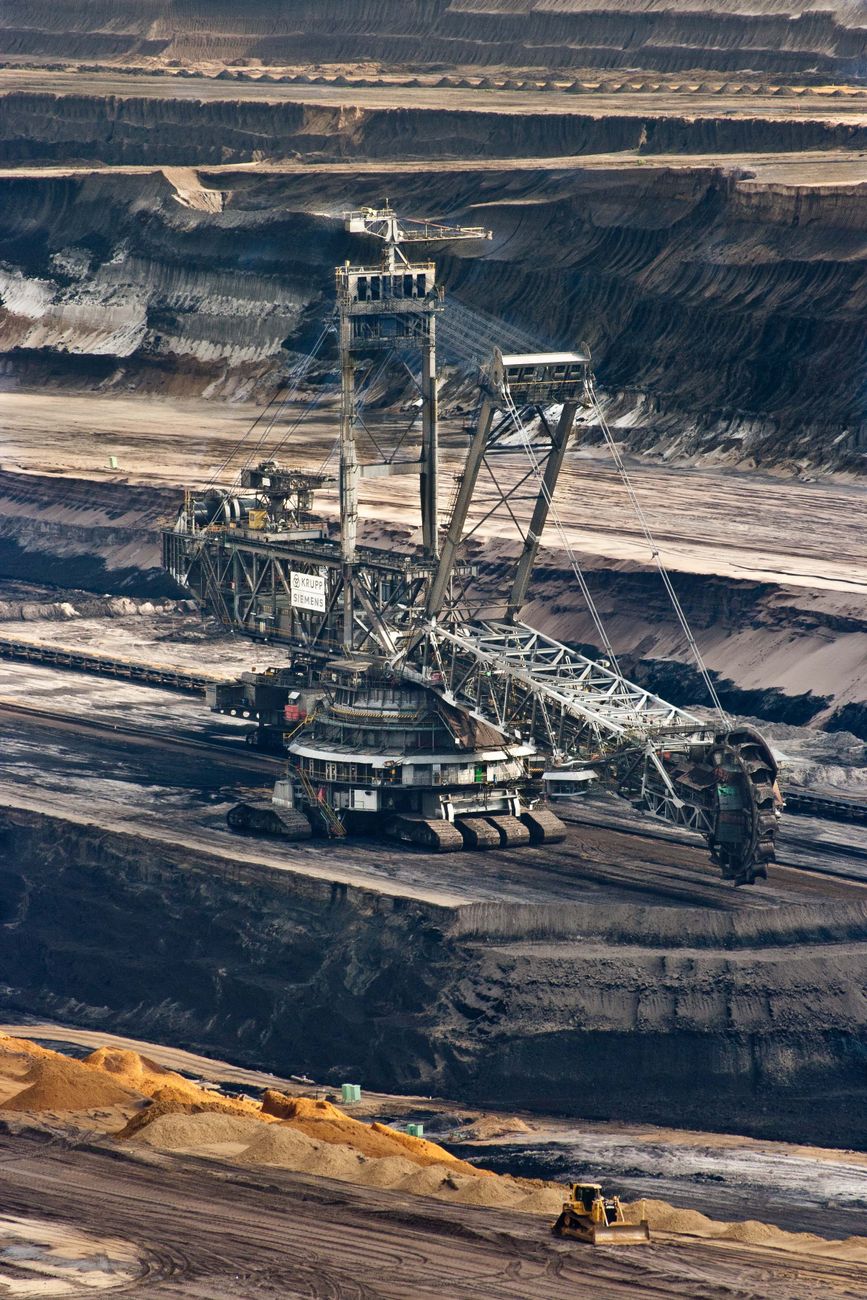
- Mining, using excavators, bucket-wheel miners, or dredges to collect sand. Beach and inland operations use land-based excavation, while some coastal operations use dredging.
- Initial separation, where wet-sluice or dry gravity methods separate heavy minerals from lighter sand using gravity, spirals, or scrubbers.
- Concentration, using magnetic and electrostatic separators to split ilmenite, rutile, zircon, and other minerals into concentrates.
Heavy-mineral-sand mining is widely used because those deposits are relatively accessible and can yield multiple marketable minerals, not just titanium.
Dredging
Dredging is a form of mining used where mineral sands lie under shallow water or in very wet sediments. A dredge floats or sits in a pit and pumps slurry to a separation plant. Dredging concentrates the resource efficiently but raises concerns about marine and wetland disturbance.
Hard-rock mining
Where titanium minerals occur in bedrock, operations may use conventional open-pit or underground mining. The ore is blasted or cut and hauled to crushers and mills. Hard-rock deposits typically need more processing to liberate titanium minerals from the host rock.
The role of beneficiation plants
After mining, material goes to a beneficiation plant. Beneficiation is the set of processes that increases the titanium mineral content and removes unwanted material. Common steps include:
- Screening and washing to remove clays and fines
- Gravity separation to concentrate heavy minerals
- Magnetic separation to remove or produce magnetic fractions
- Electrostatic separation to separate rutile from ilmenite
The product leaving a beneficiation plant is known as heavy mineral concentrate. That concentrate then moves to chemical or metallurgical processing depending on the end use.
From concentrate to titanium products: main processing routes
There are two broad end markets for titanium minerals: titanium dioxide pigment and titanium metal. Each market follows a different processing path.
1. Pigment route to titanium dioxide (TiO2)
Titanium dioxide is the white pigment used in paint, plastics, sunscreen, and food. Two main industrial methods produce TiO2 from ilmenite or rutile:
- Sulfate process, traditionally used with ilmenite. The ore is digested in concentrated sulfuric acid, which breaks down iron and titanium. Iron is removed, and titanium is precipitated and calcined to produce TiO2 pigment.
- Chloride process, favored for high-purity feedstocks such as rutile or upgraded ilmenite. The feed is converted to titanium tetrachloride, purified by distillation, then oxidized to form TiO2.
Both processes produce TiO2 pigment, but the chloride process generally yields higher purity and lower waste streams when suitable feedstock is available.
2. Metal route to titanium sponge and alloys
Making metallic titanium is more complicated and energy intensive than making TiO2. The common industrial route to titanium metal is:
- Convert ore or upgraded feedstock to titanium tetrachloride, TiCl4. This is done by chlorinating rutile or reduced ilmenite at high temperatures.
- Purify TiCl4 by distillation to remove impurities like iron and vanadium.
- Reduce TiCl4 with molten magnesium in an inert atmosphere using the Kroll process. TiCl4 reacts with magnesium to form titanium sponge and magnesium chloride. The sponge is porous metal containing residual chloride and other impurities.
- Remove residual salts by leaching and vacuum distillation, then melt and consolidate the sponge into ingots using vacuum arc remelting or electron beam melting.
- Forge, mill, or process ingots into semi-finished products. Alloying elements like aluminum and vanadium are added according to grade requirements, for example Ti-6Al-4V.
The Kroll process is the established industrial standard. Research continues into alternative methods such as the chloride process variations, plasma, and electrochemical routes, but Kroll remains the main pathway for primary titanium metal.
Upgrading ilmenite: synthetic rutile and slag processes
Ilmenite can be upgraded to higher-titanium feedstock more suitable for the chloride process or metal production. Common upgrading methods include:
- Synthetic rutile, produced by removing iron from ilmenite. The Becher process is a known route where ilmenite is oxidized, reduced, and leached to remove iron, leaving a higher-TiO2 product. This synthetic rutile can feed chloride and pigment plants.
- TiO2 slag, produced by smelting ilmenite in an electric furnace to remove iron as pig iron or slag. Slag has elevated TiO2 content and can be used in pigment plants or converted to TiCl4.
Upgrading steps increase the value of the ore but add cost and environmental considerations.
Environmental and social impacts of titanium mining
Titanium mining, like other mineral extraction, affects landscapes, ecosystems, and communities. Key impacts to understand include:
Land disturbance and habitat loss
Open-pit and heavy-mineral-sand mining remove vegetation and topsoil, changing habitats for plants and animals. Coastal dredging and inland sand mining can reshape shorelines and wetlands. Responsible operations plan for progressive rehabilitation and soil replacement, but habitat recovery takes time.
Water use and sediment plumes
Beneficiation and dredging use water to separate minerals. Discharged water can carry fine sediments that create plumes, affecting nearby aquatic ecosystems. Proper tailings management, water treatment, and sediment controls reduce these risks but require strict oversight.
Chemical processing wastes
Converting ilmenite to TiO2 or TiCl4 involves acids, chlorination, and other chemicals. Sulfate process plants historically produced acid wastes and iron sulfate. Chloride processes require chlorine and generate chloride salts. Modern facilities aim to reduce and treat wastes, but chemical hazards persist during processing.
Carbon and energy footprint
Producing titanium metal needs significant energy, especially in reduction and melting steps. That contributes to the carbon footprint compared with less energy-intensive materials. Recycled titanium consumes less energy than primary production, so recycling improves environmental performance.
Community and social impacts
Mining can create jobs and infrastructure but also bring land-use conflicts, noise, and changes to traditional livelihoods. Transparent engagement with local communities, fair compensation, and responsible development practices are important to reduce social harm.
Worker safety and processing hazards
Mining and processing introduce specific safety risks:
- Dust exposure, including silica and heavy mineral dust. Appropriate ventilation and dust control reduce respiratory risks.
- Chemical hazards, particularly during chlorination and TiCl4 handling. TiCl4 reacts with moisture to make hydrochloric acid and fumes. Strict controls, gas monitoring, and personal protective equipment are essential.
- High-temperature operations, such as smelting and melting. Molten metals and salts require careful procedures to prevent burns and fires.
- Confined-space and heavy machinery risks common to mining operations.
Regulated industrial practice, training, and protective systems mitigate these hazards in modern facilities.
Why titanium extraction is costlier than many metals
There are a few reasons titanium costs more to produce than metals like iron, aluminum, or steel:
- Low natural occurrence of metallic titanium, so you must convert minerals into metal through several energy and chemical intensive steps.
- Complex chemical processing such as chlorination and the Kroll reduction, which require controlled atmospheres, high temperatures, and expensive reagents.
- Energy intensity of reduction and melting operations.
- Concentration and upgrading steps needed for ilmenite before it can enter high-purity routes.
Those factors explain why titanium metal carries a premium compared with base metals, and why titanium is commonly used where its benefits justify higher cost, for example in aerospace and medical implants.
Recycling and secondary titanium
Titanium scrap from machining, manufacturing offcuts, and end-of-life products is recyclable. Recycling titanium saves energy compared with primary production and reduces the need for new ore. Recycled titanium often finds use in lower-spec applications, or it is remelted and alloyed back into high-quality products depending on scrap cleanliness and alloying requirements.
Two common recycling steps:
- Remelting of scrap in vacuum furnaces to produce ingots.
- Hydride-dehydride or other powder routes that turn scrap into powder for additive manufacturing.
Recycling helps reduce pressure on mining, but it cannot fully replace primary production because of capacity limits and the distribution of scrap sources.
How mining choices affect product properties and uses
The mining and minerals route can influence the cost, purity, trace elements, and availability of titanium metal and TiO2 pigment. For example:
- Rutile-rich feedstock makes it easier to produce high-purity TiCl4 which then reduces the need for extensive purification, leading to potentially lower costs for high-grade titanium metal and pigment.
- Ilmenite requires upgrading or additional processing. That adds cost, but large ilmenite deposits make titanium more widely available.
- The presence of impurities like vanadium or chromium in the ore can complicate refining for aerospace-grade alloys.
For consumers, this explains why specialty titanium alloys are relatively rarer and more expensive than generic titanium-containing products.
Tables for quick comparison
Ilmenite vs Rutile
| Property | Ilmenite | Rutile |
|---|---|---|
| Titanium content | Lower, contains iron with titanium | Higher, largely TiO2 |
| Ease of upgrading | Requires iron removal or smelting | Easier to process to TiCl4 or TiO2 |
| Common uses | Feedstock for pigment plants and upgraded to synthetic rutile or slag | Preferable feedstock for chloride process and metal production |
| Typical deposit type | Widespread in heavy mineral sands and hard rock | Less common, occurs in sand and hard rock |
Mining methods: pros and cons
| Method | Pros | Cons |
|---|---|---|
| Open-pit heavy-mineral-sand | Lower stripping costs, straightforward upgrade | Large land disturbance, requires rehabilitation |
| Dredging | Efficient for wet deposits, continuous operation | Marine and wetland impacts, sediment plumes |
| Hard-rock mining | Access to concentrated ores | Higher costs for blasting, crushing, and grinding |
Common misconceptions about titanium mining
Here are a few persistent myths and the reality behind them.
Myth: Titanium is mined as metal
Reality: Titanium is mined as minerals, not as metal. Ilmenite and rutile carry titanium in oxidized form. Converting those minerals into metallic titanium requires chemical reduction and high-energy processing.
Myth: Titanium is rare
Reality: Titanium is the ninth most abundant element in Earth’s crust. What is rare is concentrated, mineable titanium that can be processed economically into metal or pigment. That concentration is what mining seeks to find.
Myth: All titanium products have the same environmental footprint
Reality: Environmental impact varies by deposit type, mining methods, processing route, and whether the product contains recycled titanium. Primary titanium metal is energy intensive. TiO2 pigment production also varies depending on the sulfate or chloride process used.
Practical takeaways for buyers
What should you remember when thinking about titanium and its origins?
- Titanium does not come out of the ground as the shiny metal. It starts as ilmenite or rutile and requires multiple steps to become metal or pigment.
- Processing is energy and chemical intensive, which contributes to higher costs and environmental impacts than many other metals.
- Recycling matters. Products made with recycled titanium generally have a smaller environmental footprint and can help reduce reliance on primary mining.
- Not all titanium is the same. Feedstock quality, processing route, and alloying change the final properties. For high-performance uses such as aircraft or medical implants, the upstream supply chain matters.
- Ask about sourcing. If environmental or community impact matters to you, look for brands or suppliers that disclose sourcing, use recycled content, or demonstrate rehabilitation and community engagement at mine sites.
How mining affects product choices
If you are choosing a titanium product, the mining and production story can help guide decisions:
- For everyday items like camping cookware and water bottles, the strength and corrosion resistance of titanium matter more than the exact origin. Look for reputable manufacturers and consider durability and warranty.
- For high-value items such as aerospace hardware or medical implants, material traceability and feedstock quality are critical. Manufacturers of these products track material certificates back to mill and lot level.
- If environmental impact is a priority, prefer products with documented recycled content or brands that report lifecycle impacts.
FAQ
1. Where is titanium mined?
Titanium minerals are mined in many parts of the world where heavy-mineral sands or hard-rock deposits occur. Significant operations exist in countries with coastal sand deposits and igneous rocks. Many regions in Australia, Africa, Europe, and Asia host titanium-bearing deposits.
2. Is titanium mining bad for the environment?
Titanium mining has environmental impacts like land disturbance, water use, and chemical wastes. Modern operations reduce impacts through progressive rehabilitation, water treatment, and stricter chemical controls. The scale of harm depends on the mining method and how well the operation is managed and regulated.
3. Can titanium be mined sustainably?
Better practices, reclamation, minimized water discharges, responsible waste handling, and use of recycled titanium all help move mining toward greater sustainability. Certification and transparent reporting from companies improve accountability.
4. How long does it take for mined ore to become titanium metal?
The timeframe varies by plant and processing route. After mining, beneficiation takes days to weeks. Chemical conversion and metal production steps may take weeks to months, depending on plant throughput and product requirements. Overall, the process chain from mine to finished titanium parts spans multiple months in most supply chains.
5. Why is titanium expensive?
Titanium production requires multiple chemical and thermal steps, consumes significant energy, and needs controlled atmospheres and specialized equipment. Those factors contribute to its higher cost compared with more easily produced metals.
6. Is the titanium in my product recycled?
Some titanium products include recycled content, especially industrial scrap from machining and manufacturing. High-end applications sometimes require virgin material for certification reasons, but many consumer goods can and do incorporate recycled titanium. Check product specifications or ask manufacturers for recycled content information.
7. How can I learn where my titanium product came from?
Request material certificates or sourcing information from manufacturers. For high-end or regulated products, companies often track and can provide mill certificates that indicate alloy grade and source. Brands focused on sustainability may publish sourcing or lifecycle details on their websites.
Final practical advice
Knowing how titanium is mined gives you a clearer picture of why titanium products look and feel different from cheaper metals. Mining starts the long, energy- and chemistry-heavy path from common minerals to the metal you use. If you value reduced environmental impact, look for products with recycled content or transparent sourcing. If performance is your priority, accept that higher cost often reflects necessary steps to achieve the purity and alloy control required for demanding uses.
For everyday purchases, practical factors like design, durability, and warranty matter most. For specialty applications where traceability or low impurity levels are critical, follow material certificates and supplier transparency. Understanding the mining and processing behind titanium helps you weigh trade-offs between cost, performance, and environmental considerations when making informed choices.