Titanium Properties Explained: Strength, Weight & Corrosion Resistance
Ever picked up a titanium spoon, watched a titanium watch, or wondered why that lightweight camping pot costs more than the stainless steel version and asked, “What exactly makes titanium different?” People search for “titanium properties explained” because titanium shows up in so many places, from implants to hiking gear, and its reputation for being strong, light, and corrosion resistant can feel vague without clear, practical context.
Quick answer: what matters most about titanium
Titanium is prized for its combination of high strength, low density, and excellent corrosion resistance. That means it can be both lighter and as strong as many steels, while resisting rust and bodily reactions that cause allergies. Those features make titanium useful for aircraft parts, medical implants, watches, outdoor gear, and jewelry. The trade-offs are higher material and manufacturing costs, lower thermal and electrical conductivity compared with common metals, and challenges with certain kinds of machining and joining.
What titanium actually is, in plain language
Titanium is a metallic element, atomic number 22. In everyday use you will encounter it either as commercially pure titanium or as one of many titanium alloys. Manufacturers change the alloy mix and the way they process the metal to balance strength, weight, toughness, and cost. The reason titanium gets attention is not a single property, but a useful mix of properties that add up differently than steel or aluminum.
Key titanium properties explained, and why each one matters
Density and weight
What it is: Density is how much mass fits into a given volume. Titanium is lighter than steel but heavier than aluminum.
Why it matters: A titanium bike frame or cookware can be noticeably lighter than a steel equivalent, which helps when weight is a priority, such as on long hikes or in aerospace. Compared with aluminum, titanium can be stronger at a similar weight, allowing thinner sections with comparable strength.
Strength and strength-to-weight ratio
What it is: Strength considers how much load a material can carry before deforming or breaking. Strength-to-weight ratio compares strength relative to density.
Why it matters: Titanium alloys, especially Ti-6Al-4V, are among the best metals for strength-to-weight. That explains their use in aircraft, high-end bicycles, and some fasteners. For consumers, it means titanium parts can be both light and durable.
Corrosion resistance
What it is: Titanium naturally forms a very thin oxide layer on its surface, which protects the underlying metal from reacting with water, salt, and many chemicals.
Why it matters: This explains titanium’s popularity for marine fittings, saltwater-exposed hardware, and cookware. It also makes titanium attractive for body jewelry and implants. Corrosion resistance reduces the need for coatings and long-term maintenance, though it does not make titanium impervious to every chemical.
For lightweight camp kitchens, compare Titanium vs Stainless Steel to decide which cookware suits your trip.
Biocompatibility
What it is: Biocompatibility means the body generally accepts the material without producing an adverse immune response.
Why it matters: Titanium is one of the most commonly used metals for surgical implants and dental work because most people do not develop allergies to it, and bone tends to grow well around certain titanium surfaces. For consumers, that reputation carries over to jewelry and watches for people with sensitive skin.
Fatigue strength
What it is: Fatigue strength describes how a material behaves under repeated loading cycles, such as bending back and forth many times.
Why it matters: Good fatigue resistance means components like bike frames, springs, and fasteners can survive long service lives under repeated stress. Titanium often shows excellent fatigue behavior for its weight, but geometry and surface condition matter a lot.
Toughness, ductility, and hardness
What they are: Toughness is a material’s ability to absorb energy before fracturing. Ductility is how much it can deform plastically before breaking. Hardness measures resistance to surface indentation and wear.
Why they matter: Pure titanium grades are relatively ductile and tough, which helps with forming and shaping. Some titanium alloys are very hard and strong, but may be less ductile. For products, this means titanium can survive drops and impacts better than brittle materials, but heavy surface wear can still be an issue depending on the alloy and finish.
Elastic modulus (stiffness)
What it is: Elastic modulus measures stiffness. Titanium is less stiff than steel but stiffer than aluminum.
Why it matters: Lower stiffness means more flex under load. For a hiking spoon this is irrelevant. For a bicycle frame or a watch spring, it affects ride feel and performance. Designers often account for titanium’s stiffness by changing tube dimensions or using different alloy tempers.
Thermal and electrical conductivity
What they are: These properties describe how well the metal conducts heat and electricity.
Why they matter: Titanium conducts heat and electricity more poorly than copper, aluminum, or steel. For cookware, poor thermal conductivity means titanium pots will not spread heat as evenly, which is why many titanium cookware items use layered bases or combine titanium with other metals. For electronics and heat exchangers, lower conductivity can be a disadvantage.
Melting point and heat resistance
What it is: Titanium has a relatively high melting point compared with most consumer metals, which means it holds strength at higher temperatures.
Why it matters: That property explains titanium’s role in aerospace and industrial applications where parts are exposed to elevated temperatures. For everyday items, it means titanium is stable across a wide range of conditions and won’t deform in moderate heat the way some aluminum parts might.
Non-magnetic behavior
What it is: Titanium is essentially non-magnetic.
Why it matters: Non-magnetic properties are useful in medical devices for MRI compatibility, electronics housings, and some scientific instruments. For consumers, it means titanium watches and jewelry will not interfere with magnet-sensitive equipment.
Surface oxide and color
What it is: The thin oxide layer not only protects titanium but can also change color when anodized by altering the oxide thickness.
Why it matters: Cosmetic finishes such as blue, gold, or purple on titanium jewelry, pens, and EDC gear are created electrochemically without dyes. The oxide also affects how the metal feels and how it reacts to coatings or paints.
Weldability and joinability
What it is: Welding titanium requires controlled conditions, typically an inert gas environment, because contamination with oxygen or nitrogen at high temperatures makes the metal brittle.
Why it matters: Complex welding increases manufacturing cost. Small consumer repairs are more difficult. For large-scale production, manufacturers invest in proper controls, which is one reason titanium products tend to be more expensive than steel or aluminum equivalents.
Machinability
What it is: Some titanium alloys are more difficult to machine than steel because they work-harden and generate heat at cutting surfaces.
Why it matters: Machining takes longer, requires specialized tooling, and can increase costs. This affects watches, precision components, and custom titanium products.
Titanium compared with stainless steel and aluminum
A quick way to understand titanium is to compare it with two common alternatives. The table below highlights practical differences that matter in everyday decisions.
| Property | Titanium | Stainless steel | Aluminum |
|---|---|---|---|
| Density (rough) | ~4.5 g/cm³, lighter than steel | ~7.8 g/cm³, heavier | ~2.7 g/cm³, lightest |
| Strength | High, especially in alloys | High, many grades very strong | Lower, depends on alloy |
| Strength-to-weight | Excellent | Good, but heavier | Good, lower absolute strength |
| Corrosion resistance | Excellent in many environments | Good to excellent, variable by grade | Good, but can corrode galvanically |
| Thermal conductivity | Poor relative to others | Good | Excellent |
| Electrical conductivity | Poor | Good | Excellent |
| Typical cost | Highest | Moderate | Lowest |
| Ease of manufacture | Challenging | Easy to moderate | Easy |
| Common consumer uses | Watches, camping gear, implants, bike frames, jewelry | Cookware, tools, appliances, structural parts | Cookware, frames, consumer electronics |
Common titanium grades and what they mean for everyday products
Different grades change the balance of strength, ductility, and cost. The table below lists common grades you will see referenced.
| Grade | Composition | Typical use | Consumer impact |
|---|---|---|---|
| CP Grade 1 | Commercially pure, lowest oxygen | Corrosion-prone environments, chemical processing | Very corrosion resistant, softer and easier to form |
| CP Grade 2 | Commercially pure, common | General purpose, marine, medical | Good balance of strength and formability |
| CP Grade 4 | Commercially pure, higher strength | Stronger components, some medical uses | Stronger than other pure grades, slightly harder to form |
| Ti-6Al-4V (Grade 5) | Alloy with aluminum and vanadium | Aerospace, high-performance bike frames, implants | Very strong and widely used alloy; common in premium products |
| Ti-6Al-4V ELI | Extra low interstitials | Medical implants | Better toughness and fracture resistance for implants |
| Other specialty alloys | Various elements added | Specific industrial applications | Rare in consumer goods |
How titanium is made and why it costs more
Titanium production has several steps that make it more expensive than steel or aluminum. The raw mineral, typically rutile or ilmenite, must be converted into titanium sponge through processes such as the Kroll process. Sponge is melted into ingots, then rolled or forged into sheet, bar, or tubing. Each step requires careful control to prevent contamination and to achieve the desired microstructure.
Welding and machining titanium needs special techniques. Welding often occurs under inert gas coverage to prevent oxygen pickup at high temperatures. Machining requires sharp tooling, lower cutting speeds, and effective coolant or chip evacuation. Those controls add labor, tooling costs, and slower production speeds.
All of this is why a titanium camping cup, watch case, or bike frame is often several times more expensive than a steel or aluminum counterpart. The material cost, combined with specialized processing, is the primary driver of price.
Durability and maintenance in everyday use
Titanium is durable, but durability depends on the product and the type of stress it sees.
Surface wear and scratches
Titanium resists corrosion but is not scratch-proof. Light scratches are common on jewelry and watch cases. Some alloys are harder and resist scratches better. Many users prefer the patina that forms on titanium, while others choose anodizing or PVD coatings for color and extra surface protection.
Cleaning and care
- For jewelry and watches, simple soap and water usually suffice.
- For cookware, wash after use and avoid overly abrasive cleaners that remove anodized finishes.
- If you have a titanium water bottle with threads, rinse and occasionally clean with a bottle brush to prevent residue buildup.
Galvanic corrosion and mixed metals
Titanium is anodic to some metals and cathodic to others. When titanium contacts dissimilar metals in an electrolyte, galvanic corrosion can occur to the less noble metal. For example, if titanium hardware contacts aluminum in a wet salt environment, the aluminum may corrode preferentially. Designers usually avoid direct contact between titanium and anodically sensitive metals without insulating layers.
Lifespan expectations
For many applications, titanium parts last for decades due to corrosion resistance and fatigue performance. Wear-prone components may need replacement sooner. Implants can last many years, but longevity depends on design, patient factors, and activity level.
Safety and health considerations
Titanium is one of the safer metals for direct human contact, but not entirely without considerations.
Allergies and sensitivity
Most people do not have titanium allergies. Titanium is commonly used for piercings and implants because it rarely triggers skin reactions. However, a small number of individuals can exhibit sensitivity to titanium or to trace elements and coatings used on titanium products. If you have known metal allergies, consult a medical professional before an implant or body piercing.
Toxicity
Pure titanium and common alloys are not considered toxic in solid form. In occupational settings, fine titanium dust or aerosols from machining can present inhalation hazards. Proper industrial controls such as ventilation and personal protective equipment mitigate those risks.
Food safety
Titanium used for cookware and food-contact surfaces is generally safe. Titanium does not leach harmful ions under normal cooking conditions. However, because titanium cookware often has poor thermal conductivity, cooking performance can vary unless the product is designed with a conductive base or layered metals.
Implants and MRI
Titanium is non-magnetic, so most titanium implants are MRI-compatible. Compatibility depends on the implant design and the presence of any magnetic materials in or near the device. Always follow medical guidance for imaging with implants.
Common misconceptions about titanium
There are a few persistent beliefs about titanium that deserve direct clarification.
- Myth: Titanium never corrodes. Reality: Titanium is extremely corrosion resistant in many environments, but it is not immune to every chemical attack. Strong oxidizers at high temperatures or highly concentrated acids can attack titanium.
- Myth: Titanium is heavier than steel. Reality: Titanium is lighter than steel by volume, though heavier than aluminum. Strength-to-weight ratios are the key advantage.
- Myth: Titanium is indestructible. Reality: Titanium is tough and corrosion resistant, but it can bend, crack, suffer fatigue, and scratch like any metal, depending on the alloy and design.
- Myth: Titanium is always hypoallergenic. Reality: Most people tolerate titanium well, but trace impurities, alloys, or surface coatings can cause reactions in rare cases.
How titanium properties shape real product choices
Understanding how properties translate to everyday choices helps you pick the right item for the job.
Cookware
Pros: Lightweight, corrosion resistant, non-reactive with food.
Cons: Poor thermal conductivity, so many titanium pots are paired with aluminum or copper bases to improve heat distribution. If you value low weight for backpacking, titanium cookware is a strong choice. If stove-top performance and even heating are priorities, stainless steel or aluminum with good conductive cores may be better.
Camping gear and mugs
Titanium’s low weight and corrosion resistance make it ideal for backpacking cups, sporks, and ultralight stoves. For heavy-duty basecamp cookware that sees a lot of wear, steel may be less expensive and more durable against dents and abrasive wear.
Watches and jewelry
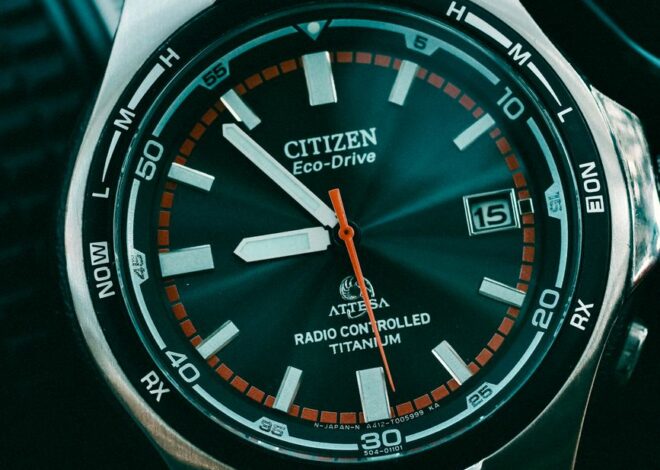
Titanium offers a premium feel, lightness, and hypoallergenic properties. Finishes vary: brushed titanium hides scratches better, while polished surfaces show wear. Anodized color is distinctive and durable, but some consumers prefer the warmth of gold or steel.
Bicycles and frames
Titanium frames combine toughness and fatigue resistance with a comfortable ride due to the metal’s vibration-damping characteristics. They are more expensive, but for riders wanting long-lasting frames that resist corrosion, titanium is a top choice.
Medical implants
Biocompatibility and corrosion resistance are the main reasons for titanium in implants. The specific alloy, surface finish, and mechanical design determine long-term performance.
Maintenance tips for common consumer items
- Clean jewelry and watches with mild soap and water, dry thoroughly to avoid trapped moisture in crevices.
- Avoid harsh acids on titanium cookware, and do not use aggressive scouring pads on anodized finishes.
- When mixing metals in construction or outdoor gear, use insulating washers or coatings to prevent galvanic corrosion.
- For threaded fasteners, avoid over-tightening titanium bolts because the material can gall under friction; some manufacturers specify lubricants or torque limits.
- Store titanium items dry and away from corrosive chemicals to preserve finishes and anodized colors.
Table: Advantages and disadvantages at a glance
| Advantages | Disadvantages |
|---|---|
| Excellent strength-to-weight ratio | High material and manufacturing cost |
| Outstanding corrosion resistance | Poor thermal and electrical conductivity |
| Very good biocompatibility | Requires special welding and machining practices |
| Non-magnetic | Can scratch and show wear; not indestructible |
| Aesthetic finishes via anodizing | Mixed-metal assemblies need care to avoid galvanic corrosion |
Common real-world questions: practical guidance
When should I pick titanium over stainless steel?
Choose titanium when weight savings and corrosion resistance are worth the extra cost, such as in backpacking cookware, premium watches, or components exposed to saltwater. If you need excellent heat distribution, a lower initial cost, or easier fabrication, stainless steel may be a better choice.
Is titanium worth it for everyday jewelry?
Yes, if you want a lightweight, hypoallergenic, low-maintenance piece that stands out visually. If you prefer a lower cost or a very scratch-resistant finish, consider alternatives like stainless steel or gold.
Can I use titanium cookware on any stovetop?
Yes in the sense that titanium cookware will not degrade, but cooking performance may differ. Thin titanium pots heat unevenly unless they have a conductive core or base. For camping, titanium is excellent. For precise home cooking, cookware with better heat spreading may be preferable.
Are titanium bike frames better than carbon fiber?
Titanium frames offer longevity, damage tolerance, and a consistent ride feel. Carbon fiber can be lighter and stiffer, but it may be more susceptible to impact damage. Which is better depends on priorities: repairability and long-term durability favor titanium; extreme lightweight and tuned stiffness favor carbon fiber.
Common misconceptions, revisited with short corrections
- Titanium is fragile. Correction: Many titanium alloys are tough and fatigue resistant. Fragility depends on alloy and design.
- Titanium is always the lightest choice. Correction: It is lighter than steel but heavier than aluminum. Design and alloy alter outcomes.
- Titanium is maintenance-free. Correction: It requires sensible care to avoid scratches, galvanic corrosion, and surface contamination from machining residues.
FAQ
Is titanium safe to wear every day?
Yes. For most people, titanium is safe and hypoallergenic, making it a common choice for daily jewelry and watches.
Will titanium rust?
No in the common sense of rusting like iron. Titanium forms a protective oxide layer that prevents the kind of rust you see on iron or steel. However, certain aggressive chemicals and extreme environments can still damage titanium.
Can titanium be welded at home?
Welding titanium requires an inert gas shield and control to prevent contamination. It is not a typical DIY operation and is best left to experienced welders with proper equipment.
Why is titanium more expensive than steel or aluminum?
Higher raw material cost, energy-intensive extraction, careful processing, and specialized fabrication techniques make titanium more expensive to produce and manufacture into finished products.
Does titanium make a noticeable weight difference in everyday items?
For small items like spoons or cups, you will notice a difference. For larger objects, the weight savings depend on design. The strength-to-weight advantage is most meaningful when weight limits matter, such as in aerospace or backpacking gear.
Can titanium be colored?
Yes. Anodizing and certain surface treatments change oxide thickness to create stable, attractive colors without dyes or paints.
Is titanium better than stainless steel for knives?
Titanium knives are lighter and resist corrosion, but they usually hold an edge less well than high-carbon stainless steels. If edge retention is critical, stainless or high-carbon steels are often better. For lightweight, corrosion-resistant utility knives, titanium has advantages.
Practical takeaways and buying advice
Focus on what matters to your use case. If weight and corrosion resistance are the top priorities and cost is less of a concern, titanium is an excellent choice. For cookware used for precise home cooking, prioritize thermal conductivity and consider multi-layer designs. For jewelry and watches, titanium often improves comfort and reduces the risk of skin reactions. For components that need frequent machining or are subject to abrasive wear, check the alloy and finish carefully.
When evaluating a titanium product, look for clear information about the grade and heat treatment, because those details influence strength and durability. If a seller does not disclose the alloy or manufacturing process, ask specifically, especially for higher-priced items.
Finally, keep realistic expectations. Titanium is an outstanding material in many ways, but it is not perfect for every application. Understanding the trade-offs will help you make choices that match performance, budget, and long-term satisfaction.