Why Is Titanium Used in So Many Products? Strength, Corrosion Resistance & Biocompatibility
Ever handled a titanium mug or seen a titanium pocket tool and wondered why manufacturers keep choosing this metal for so many different products? From camping cookware to luxury watches and medical implants, titanium seems to show up everywhere. The short answer helps, but the longer explanation connects the metal’s properties to real-world choices you make as a buyer.
Quick answer
Titanium is used in many products because it combines a high strength-to-weight ratio, excellent corrosion resistance, good biocompatibility, and attractive appearance. Those qualities let designers make items that are lighter, stronger, longer lasting, and safer for contact with the body compared with many alternatives. The trade-offs are higher cost, more difficult manufacturing, and special joining or finishing needs, so titanium is chosen when its advantages justify those extra costs.
Why those properties matter in real life
Materials do work for people, not just for engineers. Here are the practical reasons titanium gets chosen again and again.
- Lighter gear that still feels tough. For hikers and cyclists, cutting weight without losing strength matters. Titanium parts let products be both light and durable.
- Rust-free in tough environments. For water bottles, marine hardware, or jewelry that sees sweat, corrosion resistance reduces maintenance and failure risk.
- Safe for medical use. Titanium is friendly to the body, which is why it’s used for implants and surgical tools.
- Long-lasting premium items. Watches, rings, and EDC tools benefit from titanium’s wear resistance and look.
Core material properties explained simply
Below are the main material properties that explain why titanium is useful, with simple explanations of what each means for everyday products.
Strength-to-weight ratio
Titanium is strong for how light it is. That means a titanium part can be thinner or lighter than the same-strength steel part. For a backpacking pot, that reduces carried weight. For a bicycle frame, that helps performance without sacrificing stiffness.
Corrosion resistance
Titanium forms a thin, stable oxide layer naturally on its surface. That layer protects it from rust and chemical attack in many environments, including seawater and sweat. For consumers this means less maintenance and longer life for items used outdoors or near water.
Biocompatibility
Titanium is well tolerated by the human body. It does not usually cause allergic reactions, and its surface can bond with bone in implants. That practical trait explains why titanium is used for joint replacements, dental implants, and surgical instruments.
Heat and creep resistance
Titanium keeps strength at higher temperatures than many light metals. It is used in aerospace parts and exhaust components where heat resistance matters. For consumer products this can mean better performance for items exposed to higher temperatures.
Non-magnetic and low thermal conductivity
Titanium is non-magnetic, which is helpful in electronic and medical contexts. Its lower thermal conductivity compared with aluminum means it does not transfer heat as quickly, which can be an advantage for mug handles or a disadvantage for cookware where heat spread matters.
For camp cookware decisions, see Titanium vs Stainless Steel Cookware for tradeoffs in weight, heat distribution, and durability.
Aesthetics and surface finish
Titanium takes pleasing finishes and can be anodized to show different colors by changing the oxide thickness. That makes it attractive for jewelry, watches, and visible components on premium gear.
How titanium is made into products
Understanding manufacturing explains why titanium is often pricier and why some shapes or finishes are more common than others.
From ore to metal: basics
Titanium is not mined as the pure metal. It is usually recovered from minerals like ilmenite and rutile, then converted into titanium sponge via chemical processes. The sponge is melted into ingots, which are worked into bars, sheets, and wire. Those steps require specialized equipment and careful handling, which raises production costs compared with steel or aluminum.
Common forming methods
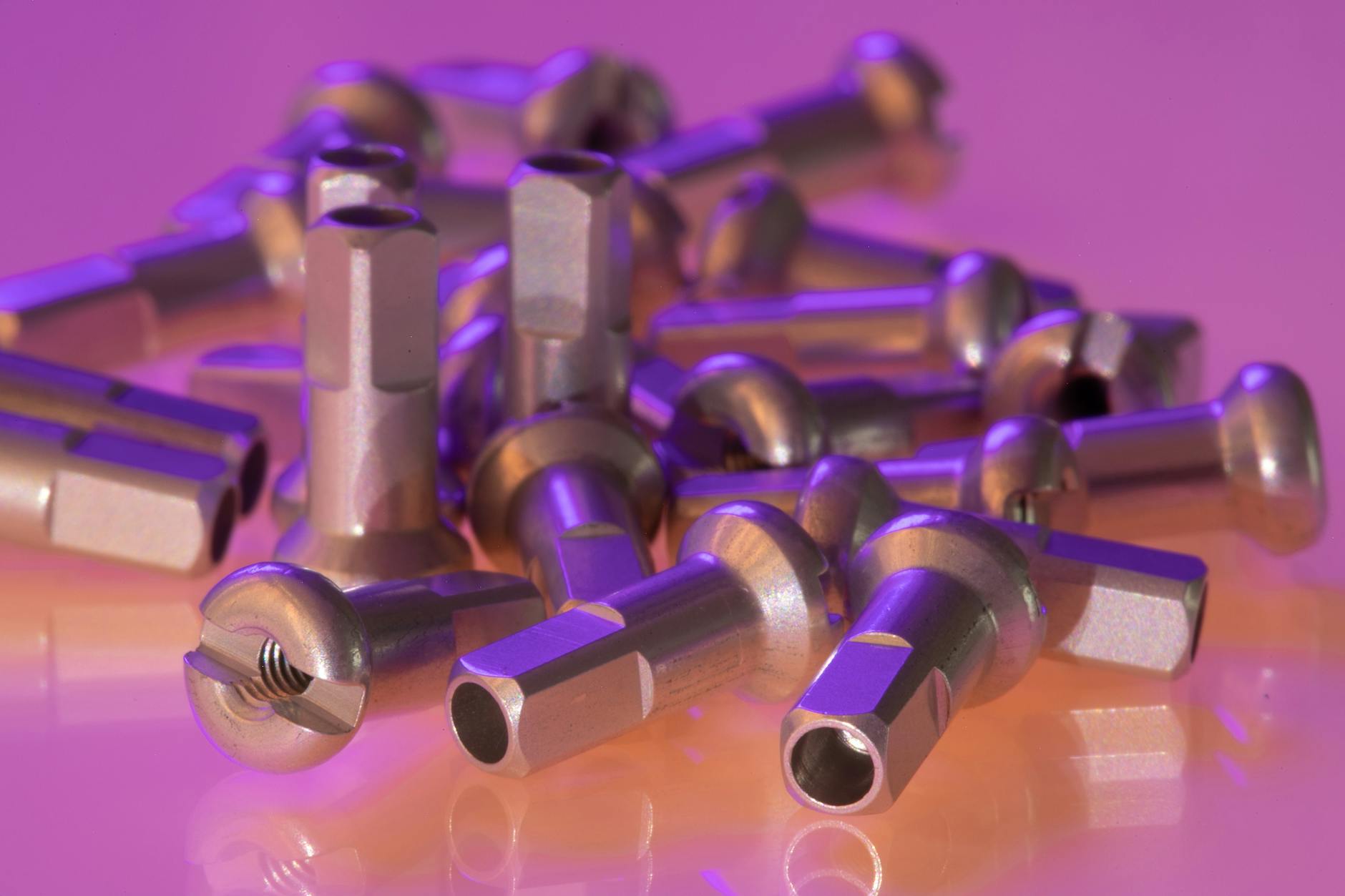
- Forging and rolling. For structural components like frames and fasteners.
- Machining. Titanium work-hardens and resists cutting, so machining is slower and tool-wear is higher than for aluminum.
- Stamping and deep drawing. Used for thin-walled items like cookware and water bottles, but titanium’s springback makes forming trickier than with softer metals.
- Additive manufacturing. 3D printing of titanium is common for complex parts in aerospace and medical fields, but it is expensive for consumer goods.
Joining and finishing
Welding titanium requires an inert atmosphere to prevent contamination. Adhesives and mechanical fasteners are sometimes used instead. Surface finishes include bead blasting, polish, or anodizing. Anodizing does not color the metal with pigments. Instead, small color shifts come from light interference in the oxide layer. That is why titanium can show bright, durable colors without paint.
Titanium grades and what they mean for products
Not all titanium is the same. Grades indicate composition and common uses. The table below summarizes practical differences.
| Grade | Composition | Typical use | Why it matters for consumers |
|---|---|---|---|
| Grade 1 | Commercially pure (lowest strength) | Corrosion-resistant components, chemical equipment | Very corrosion resistant and ductile, but not as strong; good for thin parts |
| Grade 2 | Commercially pure (most common) | General-purpose parts, medical, cookware | Best balance of corrosion resistance and strength for many products |
| Grade 5 (Ti-6Al-4V) | Alloy with aluminum and vanadium | Aerospace, high-strength applications, some watches and bike frames | Much stronger, but slightly heavier and more difficult to machine |
| Grade 9 (Ti-3Al-2.5V) | Alloy with aluminum and vanadium | Bike frames, dental devices | Lighter than Grade 5 with good ductility and weldability for some designs |
How titanium compares to common alternatives
Comparing titanium to stainless steel and aluminum helps decide when titanium is the right choice.
| Property | Titanium | Stainless steel | Aluminum |
|---|---|---|---|
| Density | About 60% of steel, heavier than aluminum | Relative heavy | Lightest |
| Strength-to-weight | Excellent | Good but heavier | Lower than titanium |
| Corrosion resistance | Very good naturally | Good, depends on grade | Corrodes easier in some environments |
| Cost | High | Moderate | Low to moderate |
| Workability | Challenging to machine and weld | Easy to form and weld | Easy to form, can be soft |
Practical applications and why titanium is chosen for them
Here are common consumer and industrial products that use titanium, and the practical reasons behind those choices.
Camping gear and cookware
Titanium pots, sporks, and water bottles are popular among backpackers because they weigh less than steel while maintaining toughness. The corrosion resistance means a titanium mug will not rust if left wet or exposed to acidic foods. The downside is titanium does not spread heat evenly like aluminum, so many campers accept that trade-off for weight savings.
Watches and jewelry
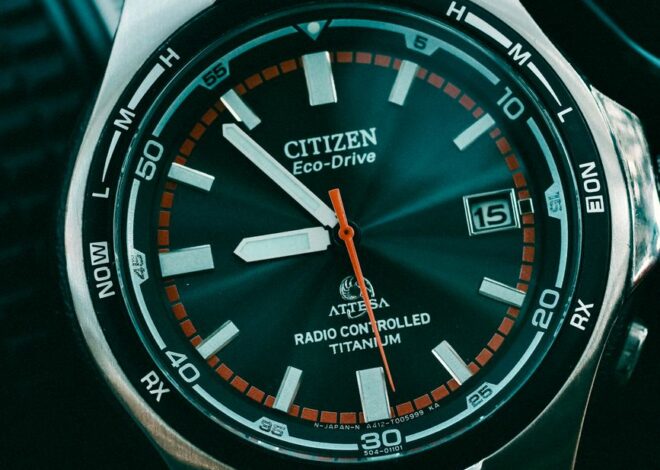
Titanium is appealing for watches and rings because it is lightweight, comfortable, and resists scratches and corrosion. Its ability to take colorful anodized finishes without paint can make pieces stand out. For wedding rings, titanium’s durability is a plus, but note that resizing titanium rings is more difficult compared with gold.
Bicycles and sporting goods
Titanium frames balance lightness, strength, and a smooth ride quality. They are less prone to fatigue than some aluminum frames and more corrosion resistant than steel. The main drawback is price, but riders who value longevity and comfort often prefer titanium despite the higher cost.
Medical implants and surgical tools
Titanium’s biocompatibility and corrosion resistance make it suitable for bone screws, joint replacements, and dental implants. The metal encourages bone integration in some cases, which can help long-term implant stability. Surgical tools are also made from titanium when non-magnetic behavior or low weight is important.
Aerospace and automotive parts
Where weight savings produce performance or fuel efficiency gains, titanium is used for critical parts in aircraft and high-performance cars. These typically use titanium alloys like Grade 5 for their high strength. Cost restricts use to components where the performance benefit outweighs expense.
EDC tools, flashlights, and hardware
Everyday carry and premium tool makers choose titanium to create light, durable items that resist corrosion. Knife handles, pocket tools, and flashlight bodies commonly use titanium for that mix of feel, strength, and longevity. Machining and finishing can make titanium pieces feel premium, which appeals to enthusiasts.
Costs, trade-offs, and when not to pick titanium
Titanium offers a lot, but it is not always the right material. Knowing the trade-offs helps make smarter buying choices.
Higher material and manufacturing cost
Titanium costs more to extract and process than steel and aluminum. Machining, welding, and forming require specialized tools or techniques, which increases product price. If budget or large-scale manufacturing cost is a primary concern, stainless steel or aluminum may be a better value.
More difficult to join and repair
Welding needs an inert atmosphere and trained operators. Resizing jewelry or repairing a bent frame can be harder or more expensive than with other metals. That affects long-term serviceability for some products.
Thermal behavior
Titanium does not conduct heat as well as aluminum. For cookware where heat distribution is critical, aluminum or copper cores often perform better. For items where insulation or heat resistance is desired, titanium can be an advantage.
Wear and galling
Titanium is prone to galling when two titanium surfaces rub under pressure. Designers sometimes use coatings, ceramics, or dissimilar metals at bearing surfaces to avoid galling.
Durability and maintenance for consumers
Taking care of titanium products is usually simple, but a few special considerations help them last.
Cleaning and everyday care
- Use mild soap and water for daily cleaning. Avoid harsh alkaline cleaners for anodized finishes.
- For stubborn deposits on cookware, soak and use non-abrasive pads. Abrasive cleaners can change finish appearance.
- Saltwater use calls for rinsing with fresh water to remove deposits, even though titanium resists corrosion.
Preventing galling and wear
Do not tighten titanium fasteners excessively against titanium surfaces without lubrication. Using proper lubricants, coatings, or torque specifications reduces galling risk. For moving parts, designers often avoid titanium-on-titanium contact.
Repair and refinishing
Minor scratches can be polished out on many titanium finishes, and anodized colors can be refreshed by re-anodizing if the product supports it. Welding or structural repairs should be left to specialists with the right equipment.
Safety, allergies, and environmental considerations
Titanium is not dangerous for most users, but a few safety and environmental points are useful.
Allergy and toxicity
Titanium is generally considered biocompatible and non-toxic. True allergic reactions to titanium are extremely uncommon. Nickel allergies, which are common with some stainless steels, are not an issue with pure titanium.
Reactivity and flammability
Bulk titanium is not flammable under normal conditions. However, titanium powder or fine shavings can ignite and burn intensely. That is a concern in manufacturing environments, not typical consumer use. Shops that machine titanium must manage dust and chips safely.
Environmental impact
Titanium production is energy intensive. That contributes to higher environmental impact compared with aluminum or steel, depending on the source and process. On the positive side, titanium products often last longer and resist corrosion, which can reduce lifecycle replacement impacts for some applications.
Common misconceptions
Addressing a few recurring myths helps readers separate marketing from reality.
Myth: Titanium never scratches
Fact: Titanium is scratch resistant compared with some soft metals, but it can scratch and scuff. Surface finish and treatment matter. Polished or anodized surfaces show wear differently than bead-blasted finishes.
Myth: Titanium is always the lightest option
Fact: Titanium is lighter than steel but heavier than aluminum. The strength-to-weight ratio is key. For equipping gear where strength is needed at low weight, titanium can beat aluminum and steel. For the absolute lightest parts where strength demands are low, aluminum may be better.
Myth: Titanium is maintenance free
Fact: Titanium resists corrosion and needs less maintenance than many metals, but it is not immune to deposits, galling, or surface wear. Proper care still matters, especially after exposure to salt or abrasive environments.
Practical takeaways for shoppers and makers
- Pick titanium when weight and corrosion resistance combined matter. For backpacks, bike frames, or hardware used outdoors, titanium often makes sense.
- Consider alternatives when cost is a major factor. Stainless steel or aluminum offer similar performance for many everyday uses at lower cost and easier repairability.
- Think about the full product trade-offs. For cookware, check whether heat distribution or weight is more important. For jewelry, consider resizing and finish options.
- Expect premium pricing and specialized repairs. If a product is likely to need frequent repair, choosing a more repairable material can save money over time.
- Look for the right grade for the job. Grade 2 is common for general consumer goods. Grade 5 is used for higher strength needs but costs more to machine.
FAQ
Why is titanium used in so many products instead of just one or two?
Titanium’s mix of light weight, strength, corrosion resistance, and biocompatibility makes it useful across many categories. Those properties solve different problems for hikers, medical teams, watchmakers, and aerospace designers. The metal’s versatility, not any single unbeatable trait, explains its wide use.
Is titanium better than stainless steel for cookware?
Not always. Titanium cookware is lighter and won’t corrode, which is great for camping. But titanium does not spread heat as well as aluminum, so stainless or aluminum cookware often cooks more evenly on a stovetop. For backpacking cooks who value weight over heat spread, titanium is a good pick.
Are titanium rings worth the money?
Titanium rings are lightweight, durable, and resistant to corrosion. If you want a low-maintenance, modern-looking ring that is hard to bend, titanium is a good option. Keep in mind resizing is more difficult than for gold or silver, so choose the correct size.
Can I machine or weld titanium at home?
Machining titanium is possible but harder than machining steel or aluminum, because it work-hardens and wears tools faster. Welding titanium requires an inert gas shield to avoid contamination, so it is best handled by experienced welders in controlled settings.
Is titanium safe for implants and everyday body contact?
Yes. Titanium is widely used in medical implants because it is biocompatible and resists corrosion in the body. For jewelry and watches, titanium rarely causes skin irritation and is a good choice for people with metal sensitivities.
Why does titanium cost more than other metals?
Higher cost comes from more complex extraction and processing, specialized machining and welding requirements, and lower production scale compared with steel and aluminum. Those costs are passed on to the buyer.
Will a titanium product last longer than a steel or aluminum one?
Often yes, in terms of corrosion resistance and long-term structural integrity. However, longevity depends on use. Abrasive wear, impact, or poor design can shorten lifespan regardless of material. Evaluate how the product will be used.
Is anodized titanium durable?
Anodized titanium colors come from oxide thickness and are generally durable because the color is part of the surface oxide, not paint. That said, heavy abrasion or chemical exposure can change the finish over time.
Final practical insights
Titanium is chosen for its practical benefits, not because it is fashionable. It solves real problems: lighter gear that still feels tough, metal that does not rust in harsh environments, and materials that the body tolerates. Those advantages explain why the metal appears in products as diverse as camping pots, wedding rings, and aircraft parts.
When deciding whether to choose titanium, start with the problem you need to solve. If weight, corrosion resistance, or biocompatibility matter enough to justify a higher price and tougher manufacturing, titanium is worth considering. If budget, ease of repair, or thermal performance are more important, stainless steel or aluminum may be the better choice.
Pay attention to the grade, finish, and construction details when comparing products. Those choices often matter more for real-world performance than the single fact that an item is “made of titanium.”