How Titanium Is Processed: From Ore to Finished Parts (2026 Guide)
Ever wondered why titanium gear is praised for being light and strong, but also noticeably more expensive than stainless steel? Or how raw rocks become the shiny, corrosion-resistant parts in your camping mug, watch case, or bike frame? Understanding how titanium is processed clears up those questions and helps you decide when titanium makes sense for a specific product.
Processing choices drive final price; the article Titanium Costs explains those cost drivers in depth.
Quick answer: How titanium is processed
Titanium starts as ore that is chemically converted into a metal sponge or powder, then melted and refined into ingots and mill forms, or processed into powders for additive manufacturing. The most common route uses the Kroll process to make titanium sponge, followed by melting (vacuum consumable arc melting or electron beam melting), forging, rolling, and finishing. Powder routes include hydride-dehydride and gas atomization. Each step is energy intensive and requires controlled atmospheres to avoid contamination. The result is grades of titanium tailored for applications such as cookware, aerospace parts, jewelry, and medical devices.
Why the processing path matters
Processing determines cost, material properties, and which products are practical. For example, titanium that is melted and rolled into sheet is well suited for cookware and watch cases. Powder-produced titanium enables complex shapes and 3D printing for custom bike parts or medical implants. How the metal is handled at each step also affects strength, ductility, corrosion resistance, and how easy it is to machine or weld.
Where titanium starts: ore and raw materials
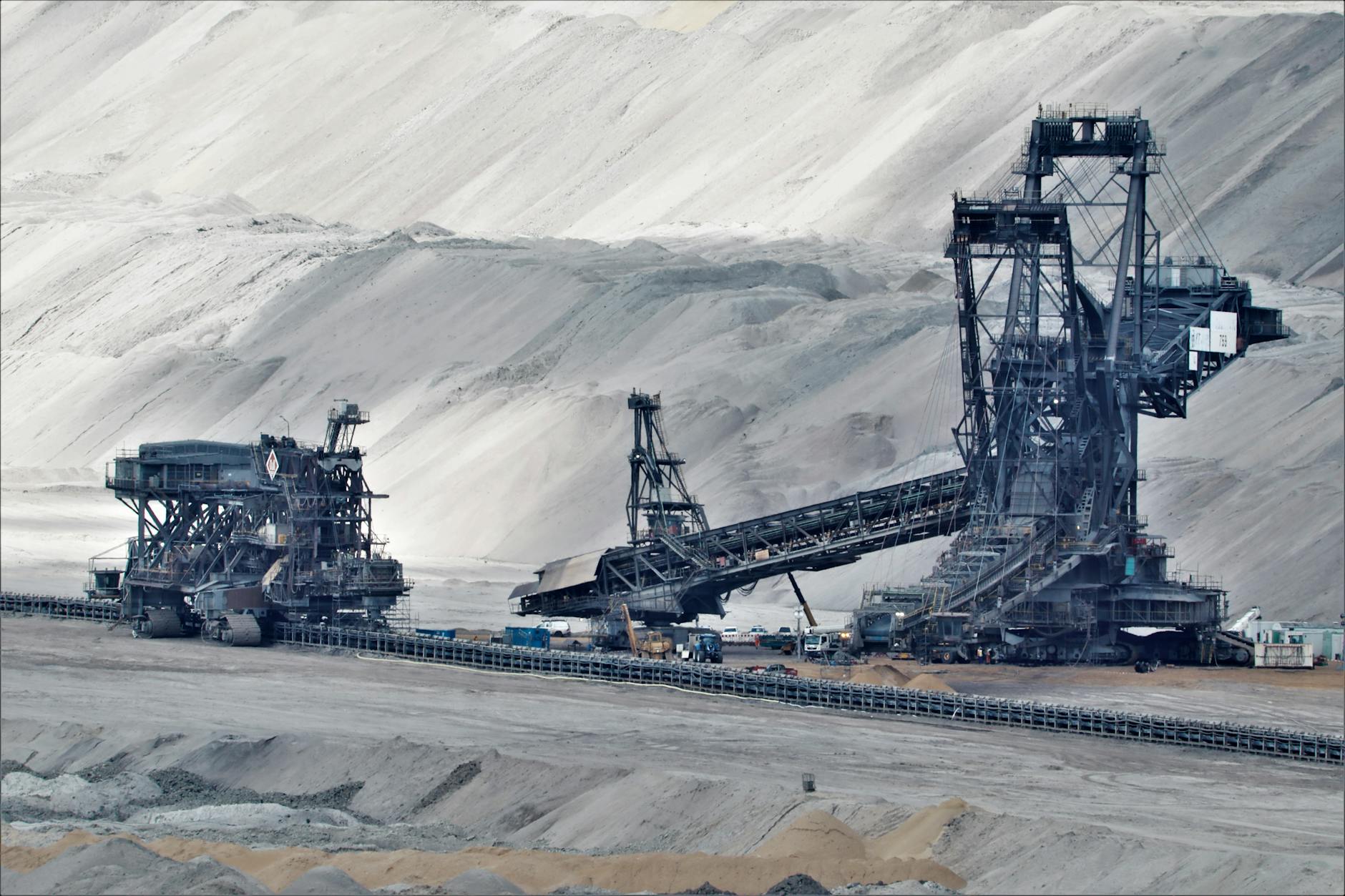
Titanium does not appear as a free metal in nature. The most common ores are ilmenite and rutile, minerals that contain titanium combined with oxygen, iron, or other elements. Mining produces heavy mineral sands or ore concentrates that are chemically treated to separate titanium-bearing material from other minerals.
Mineral processing usually produces either a titanium-rich slag or rutile concentrate. Those feeds then enter chemical processes that yield titanium tetrachloride or other intermediates. From there, commercial methods convert the intermediate to metal.
Main commercial routes to titanium metal
There are two broad ways to get usable titanium metal: the sponge route and powder production. Both start from processed ore but diverge into different chemical and metallurgical steps.
The Kroll process: how titanium sponge is made
The Kroll process is the dominant industrial method to make titanium sponge. It involves several steps:
- Chlorination. Titanium-containing feedstock is reacted with chlorine and carbon to form titanium tetrachloride, a volatile liquid.
- Purification. The crude titanium tetrachloride is purified by distillation to remove impurities such as iron and vanadium.
- Reduction. Pure titanium tetrachloride is reduced with magnesium in an inert atmosphere. This yields porous titanium particles called sponge and magnesium chloride as a byproduct.
- Removal of salts. The sponge is cleaned of residual salts and magnesium chloride, then often crushed and screened.
The sponge is a low-density, porous metal. It is not yet a finished product, but it is the feedstock for melting routes that produce ingots, bars, and mill products.
Alternative sponge processes and developments
A few other processes exist, including the Hunter process historically and newer methods that aim to reduce cost or environmental impact. These alternatives are less common at scale, so the Kroll process remains the backbone of global titanium production.
From sponge to ingot: melting and refining
Sponge alone is brittle and contains residual contamination. To make structural metal, manufacturers melt sponge and alloying elements to form homogeneous ingots. Common melting methods include:
- Vacuum consumable arc remelting, VAR. An electrically heated consumable electrode is remelted in vacuum to reduce dissolved gases and produce cleaner metal.
- Vacuum arc remelting, VAR. Similar concept focused on removing impurities and achieving uniform chemistry.
- Electron beam melting. An electron beam melts feedstock in a vacuum, useful for large ingots and higher cleanliness.
Melting in a controlled vacuum or inert environment matters because titanium reacts readily with oxygen, nitrogen, and hydrogen at high temperatures. Those elements embrittle the metal if present in significant amounts.
Forging, rolling, and mill processing
Once cast into ingots, titanium is worked mechanically to produce mill products:
- Forging. Heating and compressing ingots produces billets or shaped blanks with improved structure.
- Rolling. Hot and cold rolling produce plates, sheets, and strips for applications such as cookware, watches, and electronics housings.
- Extrusion. For profiles and tubes, extrusion pushes heated metal through a die to create consistent cross-sections used in frames and structural parts.
- Heat treatment. Controlled heating and cooling adjust mechanical properties like strength and ductility.
Each forming step is done under controlled atmospheres and with careful temperature control to avoid contamination and preserve the desired microstructure.
Powder routes: how titanium powder is produced
Titanium powders are essential for additive manufacturing, sintered parts, and some coatings. Powder routes avoid some melting steps but introduce other challenges such as dust safety and powder flowability.
Hydride-dehydride (HDH) process
HDH is a mechanical-chemical route that is economical for producing powder for less demanding applications:
- High-purity titanium sponge is hydrogenated to form brittle titanium hydride.
- The hydride is milled or crushed into small particles.
- Hydrogen is removed through vacuum heating, yielding titanium powder.
HDH powder is typically irregular in shape and used for metal injection molding, pressing, or lower-end additive manufacturing where spherical powder is not required.
Gas atomization
Gas atomization produces spherical powders needed for selective laser melting and similar additive processes. Melted titanium is disintegrated by high-pressure gas streams into droplets that solidify as spherical powder. Gas atomized powder has good flowability and packing characteristics, which make it the preferred feedstock for most 3D printing of titanium parts.
Other powder methods
Other techniques include plasma rotating electrode process and chemical routes like titanium chloride reduction to powder. Each offers trade-offs in shape, purity, and cost.
Common machining and joining steps
Titanium machines differently from steel or aluminum. It is sticky, work-hardens, and conducts heat poorly. That affects how raw or semi-finished titanium parts are turned into finished products.
Machining
- Use sharp tools and rigid setups to avoid work hardening.
- Control heat with proper cutting speeds and intermittent cutting.
- Use coolants or air blast when practical, but be mindful of reactions with chemicals at high temperature.
Because titanium keeps cutting heat near the tool, tool life can be shorter and machining costs higher compared to steel. That is one reason many titanium products are forged or near-net-shaped to minimize machining.
Welding and joining
Titanium forms brittle compounds at elevated temperatures if exposed to oxygen and nitrogen. Welding is usually done in inert gas chambers or with trailing shields. Common methods include gas tungsten arc welding, electron beam welding, and laser welding. Proper shielding and post-weld heat treatment are critical to preserve mechanical properties.
Surface finishing and treatments
Finishing adds both cosmetic and functional value. Common titanium surface treatments include:
- Pickling and passivation. Acid cleaning removes scale and leaves a stable oxide layer that helps corrosion resistance.
- Anodizing. Applying voltage in an electrolyte grows a thicker oxide layer that can change color without paint. This is popular for watches and jewelry.
- Polishing and bead blasting. These change surface reflectivity and texture, used on cookware and cosmetic parts.
- Coatings. PVD coatings or ceramic overlays provide wear resistance for tools and some sporting goods.
Titanium grades and how processing affects properties
Titanium is available in several grades and alloys. Processing routes and heat treatments determine the final mechanical and corrosion properties. A simple table helps compare common grades.
| Grade | Composition highlights | Common uses | Processing notes |
|---|---|---|---|
| Grade 1 | Commercially pure, low oxygen | Corrosion-resistant parts, chemical processing, jewelry | Soft, highly formable, easy to weld |
| Grade 2 | Most widely used CP titanium | Pressure vessels, cookware, general structural | Good balance of strength and formability |
| Grade 5 (Ti-6Al-4V) | Aluminum and vanadium alloyed | Aerospace, medical implants, high-strength parts | Heat-treatable, higher strength, more costly to machine |
| Grade 9 (Ti-3Al-2.5V) | Lower alloyed, higher ductility | Bike frames, tubing, electronic housings | Good weldability and formability |
Why this matters for processing. Pure titanium alloys (grades 1 and 2) are easier to form and weld, so they are common in consumer goods like cookware and jewelry. High-strength alloys such as Grade 5 need more careful melting, heat treatment, and machining, so they are used where performance justifies cost.
Why titanium processing is energy intensive and costly
Several factors drive cost:
- High-temperature chemical steps. Chlorination and reduction require energy and corrosion-resistant equipment.
- Vacuum and inert atmospheres. Melting and refining must exclude oxygen and nitrogen, requiring vacuum furnaces and gas handling systems.
- Material waste and yield. Sponge and melting produce scrap and offcuts that need reprocessing.
- Specialized equipment and slow, careful processing. Titanium reacts at high temperatures and needs precise controls.
The result is higher raw material and processing costs compared to steel or aluminum. That cost shows up in finished products, but it also buys unique properties such as excellent strength-to-weight ratio and corrosion resistance.
Powder metallurgy and additive manufacturing: a different processing path
Additive manufacturing has changed how some titanium parts are made. Instead of cutting or forging, parts are built layer by layer from powder. That enables complex geometries and near-net shapes that reduce machining waste.
Common additive processes for titanium
- Selective laser melting (SLM) / laser powder bed fusion. A laser fuses powder in a bed, building parts layer by layer.
- Electron beam melting (EBM). An electron beam melts powder in vacuum. EBM uses higher temperatures and is common for medical implants and aerospace prototypes.
Printing requires high-quality spherical powder, strict oxygen control, and post-processing like heat treatment and hot isostatic pressing to reduce porosity. Additive manufacturing can lower lead times and material waste for complex parts, but powder and printing costs remain significant.
Safety and environmental considerations during processing
Handling and processing titanium raise safety and environmental points that matter for manufacturers and for the people who use titanium products.
Safety
- Titanium dust and powders can be combustible. Proper dust control, grounding, and inerting are essential to avoid fires or explosions.
- Hydrogen embrittlement. Hydrogen exposure during processing can make titanium brittle. Dehydrogenation steps and controlled atmospheres mitigate this.
- Fumes and chemical handling. Chlorination and acid pickling generate hazardous byproducts and require containment and proper disposal.
Environmental impacts
Titanium processing uses chlorine, hydrocarbons, and significant energy. Modern plants increasingly capture and recycle byproducts, recover magnesium chloride, and use scrap recycling. Recycling titanium is feasible and common for scrap from machining and production, but recycling used products is less straightforward unless collected and processed through proper metal recycling streams.
How processing choices affect product examples
Putting processing steps into real-world context helps when choosing products.
Camping cookware
Cookware is often made from Grade 1 or 2 titanium sheet. Producers roll ingots into thin sheet, then stamp and form the parts. Benefits include light weight and corrosion resistance. Drawbacks are higher cost and lower heat distribution compared to stainless steel. Surface finishing like polishing or bead blasting gives different appearance and stick resistance.
Watches and jewelry
Watch cases and jewelry often use Grade 2 or surface-treated alloys. Anodizing is popular because it creates color by altering the oxide thickness. Manufacturers prefer mill-formed sheet or forged blanks that are then CNC machined to final shape and polished.
Bicycles and frames
Bicycle tubing is usually made from alloyed grades and formed through extrusion and welding or brazing. The high strength-to-weight ratio of titanium makes for durable, comfortable frames. Processing requires careful heat control around welds to avoid weakening.
Medical implants and aerospace parts
These use highly controlled melting routes and additive manufacturing to meet strict mechanical and purity requirements. Powder quality, vacuum melting, and post-process heat treatments are tightly regulated to ensure biocompatibility and fatigue resistance.
Common misconceptions about titanium processing
- “Titanium is produced like steel.” Not exactly. Steel is usually produced by direct melting of ore in integrated blast furnaces and converters. Titanium requires chemical conversion to an intermediate before metal can be made, which makes the process notably different.
- “All titanium is high strength.” Commercially pure titanium is relatively soft. High strength comes from alloying elements and processing. Processing determines whether a specific titanium product is soft and formable or strong and heat-treatable.
- “Titanium parts are always lighter than aluminum parts.” Titanium has a higher density than aluminum, but its superior strength often allows for thinner sections. Whether a titanium part is lighter depends on design and required strength.
- “Additive manufacturing makes titanium cheap.” 3D printing reduces waste and enables complex shapes, but powder and printing costs plus necessary post-processing keep titanium additive parts expensive compared to mass-produced alternatives.
Practical takeaways for buyers
- Match grade to use. For camping cookware and water bottles, Grades 1 and 2 offer the best balance of corrosion resistance and formability. For high-stress or fatigue-prone parts, look for Ti-6Al-4V or other alloys.
- Expect higher cost for melted or printed parts. Parts that require vacuum melting, tight chemistry control, or powder-based printing will carry higher prices.
- Consider finish and maintenance. Anodized or polished finishes affect wear and appearance. Titanium does not corrode easily but can scratch; finishes help manage that.
- Ask about traceability for critical applications. For medical or aerospace uses, material traceability and processing records matter. For consumer goods, confirm grade and general processing quality for peace of mind.
- Recycling and scrap. Titanium scrap from machining is valuable and commonly recycled. End-of-life products are less commonly recycled but can be if properly collected and processed.
Table: Processing steps and how they influence product traits
| Processing step | What it does | Effect on product |
|---|---|---|
| Chlorination and Kroll reduction | Converts ore to titanium sponge | Enables production of usable metal, influences overall cost |
| Vacuum melting (VAR/EBM) | Refines chemistry, removes gases | Produces cleaner, stronger, fatigue-resistant metal for aerospace and medical parts |
| Rolling and forging | Shapes ingots into sheets, bars, tubes | Improves grain structure, yields mill products for consumer goods |
| Gas atomization | Makes spherical powder | Enables high-quality additive manufacturing and complex geometries |
| Anodizing and pickling | Surface finishing and oxide management | Controls appearance, corrosion resistance, and wear |
Costs, scaling, and future developments
Reducing the cost of titanium processing is an active area of industry effort. Innovations focus on:
- New chemical routes that reduce steps or lower energy use.
- Improved recycling to recover more metal from scrap and end-of-life parts.
- Advances in powder production that reduce costs for additive manufacturing.
- Better process controls that increase yield and reduce rework.
As processing technologies improve and volumes grow in markets such as electric vehicles and consumer electronics, titanium may find broader use. For now, processing complexity and cost mean titanium is chosen where its properties provide clear benefits.
FAQ
How is titanium sponge different from titanium powder?
Titanium sponge is porous metal produced by chemical reduction of titanium tetrachloride. It is typically consolidated by melting into ingots. Titanium powder is fine particulate produced by mechanical or atomization methods for powder metallurgy and additive manufacturing. Sponge is a precursor to most mill products, while powder is feedstock for 3D printing and sintering.
Can titanium be recycled and how does processing affect recyclability?
Yes. Machining scrap and manufacturing offcuts are commonly recycled into new titanium feedstock. Recycled material often needs to be remelted and refined to control impurities. End-of-life recycling of consumer products is less common but possible with appropriate collection and processing systems.
Why does titanium require vacuum melting or inert atmospheres?
Titanium reacts with oxygen, nitrogen, and hydrogen at high temperatures. Those elements make the metal brittle and reduce performance. Vacuum or inert atmospheres prevent contamination during melting, which is essential for high-quality structural and medical parts.
Is 3D-printed titanium as strong as forged titanium?
3D-printed titanium can approach or match the strength of wrought material after appropriate post-processing such as heat treatment and hot isostatic pressing. However, print quality, powder characteristics, and post-processing determine final properties. For critical applications, manufacturers specify and test the processing route carefully.
What safety concerns should I be aware of if a product is made from titanium powder?
Titanium powders are combustible when airborne and require careful handling in manufacturing. For finished consumer products, powders are consolidated into solid parts and the end product is not a dust hazard. If you are buying a product that uses additive manufacturing, ask the manufacturer about their powder handling and quality controls.
Why is titanium more expensive than stainless steel?
Higher raw material and processing costs drive titanium’s price. The chemical conversion from ore, energy-intensive melting in vacuum, and specialized equipment all add cost. Titanium’s advantages in strength-to-weight ratio and corrosion resistance justify the price for many applications, but stainless steel remains more economical for general use.
How does surface treatment like anodizing affect processed titanium?
Anodizing grows an oxide layer that changes color and increases surface protection. It is a post-processing step done after forming and machining. Anodized titanium retains the metal’s corrosion resistance while gaining visual customization and some additional surface hardness.
How to use this knowledge when choosing titanium products
If weight and corrosion resistance matter, look for products made from commercially pure titanium that has been mill-formed and finished. For high-strength, fatigue-critical items such as bike frames or medical implants, check whether the product uses a recognized alloy like Ti-6Al-4V and whether the manufacturer provides processing or certification details. For goods advertised as 3D printed, ask about powder source, heat treatment, and post-processing to understand performance trade-offs.
Processing drives the characteristics you care about: the route from ore to finished part affects strength, weight, finish, cost, and safety. Knowing the basics of how titanium is processed helps you ask the right questions and weigh whether titanium is the right choice for your project or purchase.